Missouri’s death row inmate Johnny Johnson was executed on August 1, 2023, for the brutal kidnapping and murder of six-year-old Casey Williamson in 2002. After 21 years of legal battles, Johnson’s final moments were marked by a simple last meal and a brief apology, leaving a community still grappling with grief.
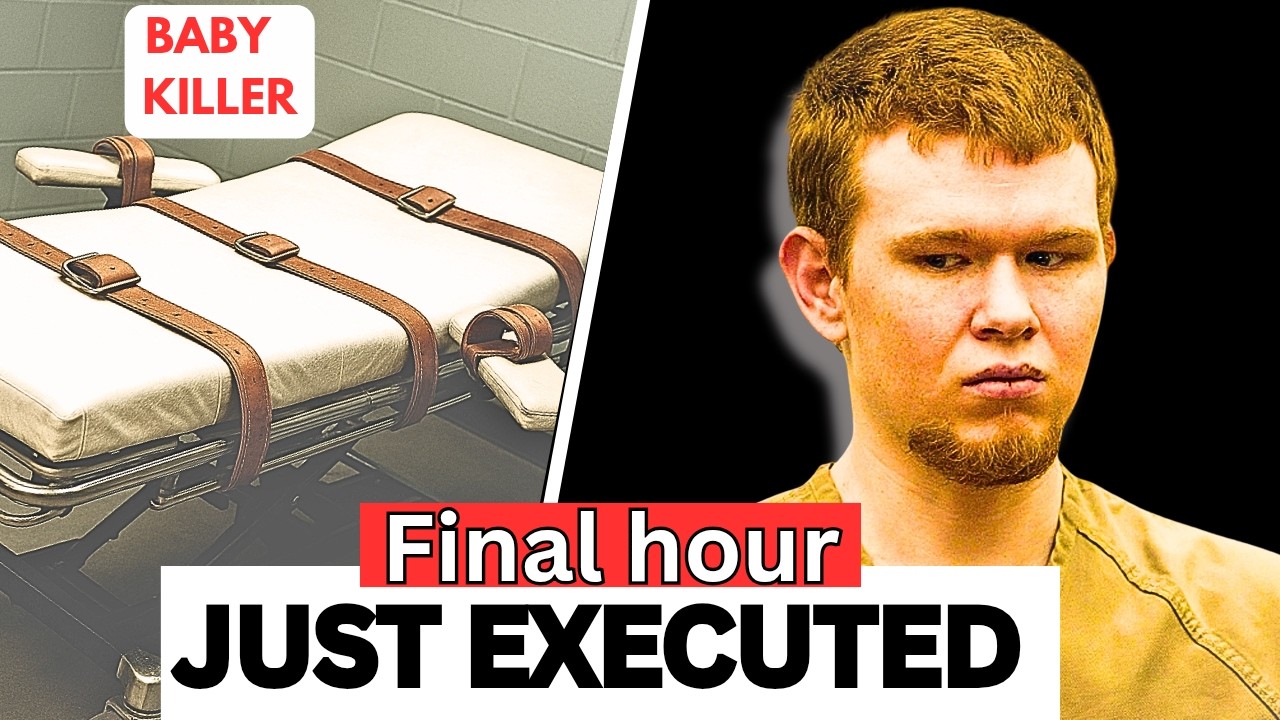
The execution took place at the Eastern Reception Diagnostic and Correctional Center, where Johnson was moved under guard just before his death. His last meal consisted of a bacon cheeseburger, curly fries, and a strawberry milkshake, a stark contrast to the horror he inflicted on an innocent child.
Casey Williamson was abducted from her home in Valley Park, Missouri, after a family barbecue in July 2002. Johnson, a family acquaintance with a history of mental illness, was invited to stay the night. In the early morning hours, he took Casey to an abandoned factory, where he brutally attacked her.
Despite a long history of schizophrenia and mental health issues, Johnson was found guilty of first-degree murder in 2005. His defense argued that his mental state impaired his understanding of right and wrong, but the prosecution maintained he acted with intent. The jury ultimately sentenced him to death.

Over the years, Johnson filed numerous appeals, claiming his mental illness rendered him unfit for execution. However, the courts upheld his conviction, culminating in a death warrant signed by the Missouri Supreme Court in April 2023. The final appeals were exhausted just days before his execution.
On the day of his execution, Johnson expressed remorse in his last words: “God bless. Sorry to the people and family I hurt.” These words did little to ease the pain of Casey’s family, who have lived with the trauma for over two decades.
Casey’s murder shattered her family, leading to devastating consequences for her loved ones. Her mother, now remarried, reflected on the ongoing impact of the tragedy, while her siblings struggled with addiction and mental health issues. The emotional scars remain, haunting those left behind.

In the wake of the execution, Casey’s family has worked to turn their grief into action. They established community initiatives aimed at child safety, hoping to prevent similar tragedies. Yet, the haunting memory of that summer day in 2002 lingers, a painful reminder of a life cut short.
As Johnson’s life ended, the community of Valley Park continues to grapple with the aftermath of his actions. The abandoned factory, where Casey’s life was tragically taken, was demolished in 2012, but the emotional toll of the crime remains deeply embedded in the hearts of those affected.
This story serves as a stark reminder of the complexities surrounding mental illness, justice, and the lasting impact of violent crime on families and communities. The echoes of Casey Williamson’s tragic fate will resonate for generations to come.