Texas executed Steven Leane Nelson tonight for the 2011 cold-blooded murder of a beloved pastor, ending a harrowing decade-long saga marked by brutality, defiance, and unrepentant violence. Nelson’s final hours were shadowed by relentless tension, legal battles, and the haunting legacy of his crimes that rocked Arlington’s community to its core.
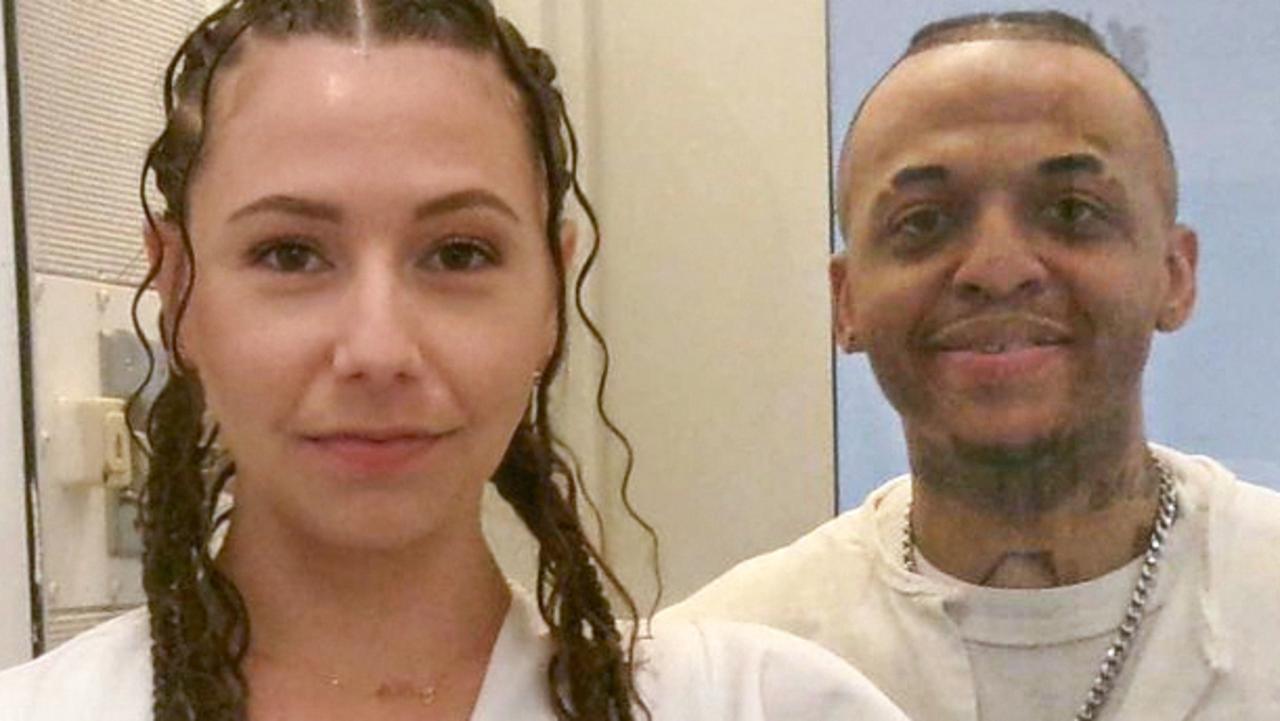
At 6:38 p.m. Monday, lethal injection drugs coursed through Nelson’s veins inside the Huntsville Unit. After twelve agonizing minutes, the state declared him dead, closing the grim chapter on one of Texas’s most notorious death row inmates. His last words echoed softly but resolutely: “I will always love you no matter. Our love is uncontrollable.”
Nelson’s execution marked the first in Texas for 2025. He had exhausted every legal avenue, with the U.S. Supreme Court denying a final appeal mere hours before his death. The long, tumultuous road to this moment revealed a man hardened by a brutal upbringing and a violent criminal path that shocked a nation.
Born in chaos in Ada, Oklahoma, in 1987, Nelson’s early life was marred by neglect and violence. His fractured family environment offered no refuge, leading him down a dark path that saw juvenile offenses escalate into savage acts of adult crime. This pattern culminated in a gruesome 2011 church murder.
On a quiet March morning in Arlington, Nelson stormed North Point Baptist Church, unleashing fury upon 28-year-old Pastor Clint Dobson and 69-year-old secretary Judy Elliot. Dobson was mercilessly beaten and suffocated; Elliot was left near death, her body horrifically battered. Nelson then brazenly stole their possessions, turning a sacred place into a crime scene of horror.
Dobson, a pillar of compassion and community, was more than a preacher. His work transcended the pulpit, embodying social justice and inclusion. His slaying stunned the church and wider community, fracturing a sanctuary of peace with unimaginable violence. The reverberations of his loss are still deeply felt today.
Judy Elliot’s survival was nothing short of a miracle after months of reconstructive surgeries. Her harrowing injuries symbolized the brutal cost of Nelson’s rage. Though she passed away in 2024, her family’s courage and forgiveness in the face of relentless trauma highlighted a somber contrast to Nelson’s unyielding demeanor.

Following the murder, authorities swiftly linked the crime to Nelson through bloodstained evidence and stolen goods recovered from his possession. His fingerprint presence at the scene erased doubt. As the noose tightened, Nelson became a symbol of menace and menace alone, setting the stage for a fierce, high-stakes trial.
Nelson’s courtroom behavior was explosive, alternating between violent outbursts and cold indifference. His admitted thefts and denial of direct involvement in the murders failed to absolve him. The jury found him guilty on all counts, sentencing him to death in 2012. His fury culminated in a courtroom rampage, underlining his defiant nature.
His time on death row at the Palinsky Unit was marked by continued violence, notably the 2012 murder of fellow inmate Jonathan Holden. Nelson’s callousness shocked prison officials, who described him as a persistent threat unfit for any rehabilitation, reinforcing the state’s resolve to carry out his execution.

Despite multiple appeals challenging his conviction and the constitutionality of the death penalty, Texas courts remained unyielding. Each rejection chipped away at Nelson’s remaining hopes, finalizing his fate. Public protests and heated debates on capital punishment surrounded his execution, highlighting America’s enduring division over justice and mercy.
The day before his execution, Nelson gave an interview claiming innocence, insisting, “I didn’t 𝓀𝒾𝓁𝓁 that man.” This plea contrasted sharply with the overwhelming forensic and testimonial evidence against him. His legal team’s last-ditch effort to stay the execution fell short, culminating in the fatal night inside Huntsville.
Public and religious opinions remain sharply divided. While some Christian groups decry the death penalty as immoral, others support it as justified punishment for heinous crimes. Nelson’s case became a focal point for this ongoing cultural and ethical battle, reflecting the complex legacy of capital punishment in America.
Pastor Clint Dobson’s family released an emotional statement honoring his life and legacy, emphasizing his devotion to faith and justice. For them, Nelson’s execution represented a painful but necessary closure to years of grief and unresolved trauma inflicted by a man who never showed remorse.
As Texas turns the page on Steven Leane Nelson, his story serves as a stark reminder of the human capacity for both evil and endurance. The state’s justice system exacted its ultimate consequence, while survivors and victims’ families continue to wrestle with the deep scars left behind by his reign of terror.

In the aftermath, Judy Elliot’s family
found a measure of peace, witnessing her assailant face the state’s final judgment. The wounds from that tragic day in 2011 remain, but so does the resolve of a community that refused to forget and demanded that justice be served.
Tonight, the echoes of Steven Nelson’s final hours fade into history, but the questions surrounding redemption, justice, and retribution linger. For Texas, it was a solemn closing of a dark chapter—one marked by violence, unrepentance, and an unwavering demand for accountability.