In a heart-wrenching turn of events, Jeffrey Todd West was executed in Alabama on September 25, 2025, for the 1997 murder of store clerk Margaret Parish Berry. Despite her son Will Barry’s desperate plea for mercy and forgiveness, the state carried out the death sentence, igniting fierce debates on justice and redemption.
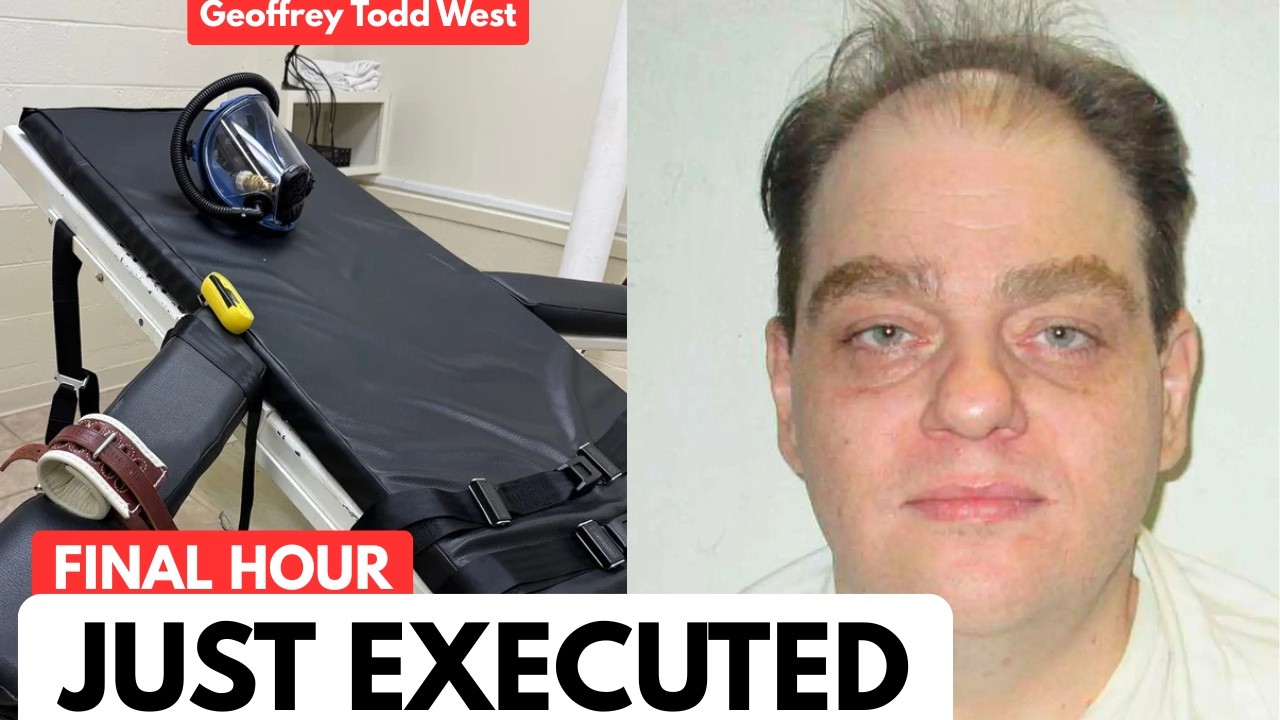
West, who was just 21 when he committed the crime, spent nearly three decades on death row. His case drew attention not only for the brutal nature of the murder but also for the extraordinary relationship that developed between him and the victim’s son, Will Barry. After years of grappling with his mother’s death, Barry chose forgiveness over revenge, writing letters to West that expressed compassion rather than hatred.
On the day of his execution, West was calm, refusing last meals and instead opting for snacks like Skittles. He was confirmed in the Catholic Church the day before, seeking solace in faith as he faced his final moments. His execution by nitrogen hypoxia began at 5:52 p.m., and within minutes, he was pronounced dead.
Will Barry stood outside the Alabama State Capitol, advocating for West’s life, arguing that his mother would have wanted forgiveness, not further bloodshed. In a poignant statement, he emphasized that taking another life would not heal his family’s wounds. Despite his heartfelt appeals, Governor Kay Ivey upheld the law, stating that the execution would proceed.

The execution raised profound questions about justice, morality, and the criminal justice system. While the state viewed it as a closure for the victim’s family, Will Barry’s stance highlighted the potential for redemption and healing through forgiveness.
As the dust settled, two families were left shattered: one mourning a mother lost to violence, the other grieving a son lost to the state. The execution was Alabama’s fourth of 2025, reflecting a troubling trend in capital punishment.
In the wake of this tragedy, society must confront the complexities of justice—what it means to serve it, and whether true healing can ever be achieved through acts of vengeance. The story of Jeffrey Todd West and Will Barry serves as a haunting reminder of the human capacity for both destruction and profound compassion.