In a haunting culmination of violence and tragedy, Gilbert Postelle was executed today at 10:14 a.m. in Oklahoma, following a brutal crime that left four victims dead. His final moments were marked by chilling silence, leaving lingering questions about the nature of evil and the impact of a chaotic upbringing.
 Postelle’s life was a tapestry of turmoil, woven from abandonment, addiction, and crime. Abandoned by his mother at a young age, he was raised in an environment rife with instability and drugs. His father’s deep involvement in criminal activities set a dark precedent, and by age 12, Gilbert was already ensnared in meth addiction.
The turning point came after a severe motorcycle accident left his father with a brain injury, altering his behavior and further destabilizing the family dynamic. As tensions escalated, Gilbert, along with his father and brother, would soon plunge into an act of violence that would haunt them forever.
On Memorial Day 2005, the Postelle family executed a calculated attack that left four individuals dead. Victims were forced to kneel in a yard before being shot execution-style, with Gilbert firing over 30 rounds from a rifle. The motive was rooted in a baseless belief that one victim was responsible for his father’s accident.

The brutality of the crime shocked investigators, but what was even more disturbing was the family collaboration in the killings. As the investigation unfolded, authorities tracked a van linked to the crime back to Indiana, leading to the arrests of Gilbert, his father, and his brother.
During the trial, the defense did not deny Gilbert’s involvement but argued he was heavily influenced by his upbringing and 𝒹𝓇𝓊𝑔 use. They painted a picture of a young man shaped by chaos, with a low IQ and blurred memories of the crime. Despite his admissions of guilt and apologies, the jury delivered a verdict of two death sentences and life imprisonment for the others.
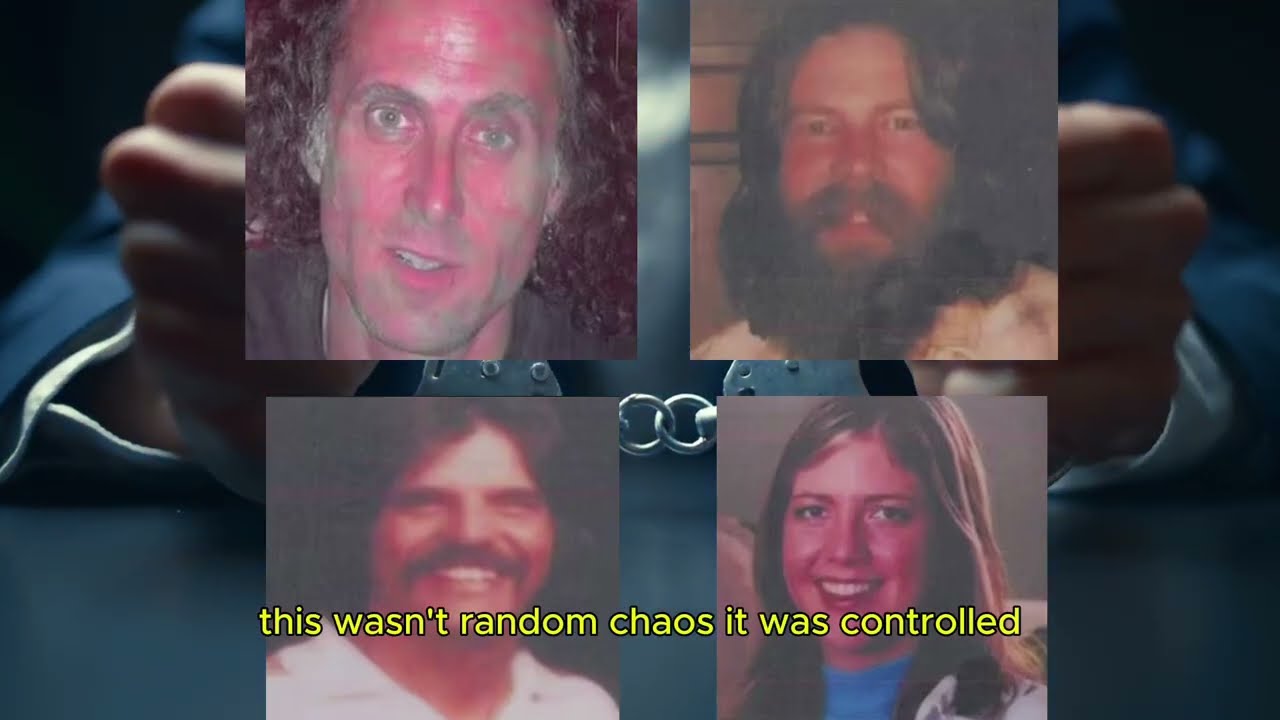
Years later, as legal challenges arose regarding execution methods in Oklahoma, Postelle became a part of a broader debate over the ethics of capital punishment. His attempts to delay the execution were ultimately unsuccessful, leading to today’s grim conclusion.
Witnesses at the execution noted the surreal nature of Gilbert’s last meal request: an extravagant feast of 20 chicken nuggets, multiple fries, sandwiches, and drinks. It was a stark contrast to the silence he displayed in his final moments, as he offered no last words, leaving a chilling void.

For the families of the victims, the execution brought mixed emotions. Some found solace in knowing that Postelle would never walk free again, while others felt that true closure remained elusive. The case continues to provoke questions about the interplay of nature and nurture in shaping human behavior.
As the dust settles on this tragic chapter, the haunting legacy of Gilbert Postelle’s actions remains. Was he a product of evil, or a victim of a life riddled with chaos? The answers may never be clear, but the impact of his story will resonate for years to come.