Travis James Mullis was executed by lethal injection in Texas on September 24th, 2024, after more than 13 years on death row. Mullis chose to waive all appeals, accepting responsibility for his capital murder conviction, marking one of the rare cases where the condemned walked willingly toward death without legal resistance.

Born into adversity on September 20th, 1986, Mullis’s tragic life began with serious medical complications and compounded by profound childhood 𝓪𝓫𝓾𝓼𝓮. Abandoned by his biological parents and later suffering years of 𝓪𝓫𝓾𝓼𝓮 from his adoptive father, Mullis’s early years were riddled with unimaginable trauma and severe mental illness.
By age four, he was diagnosed with PTSD, bipolar disorder, and ADHD, conditions that ravaged his fragile mind. His childhood was a revolving door of institutional treatments, mental health facilities, and therapeutic interventions, none of which successfully stabilized him.
At thirteen, Mullis began exhibiting violent behavior, including harming a younger relative, signaling early the depth of his untreated psychiatric issues. Following four years in a juvenile facility, he was abruptly released at seventeen, handed a one-way ticket to Texas, and left without medication or support in a foreign state.
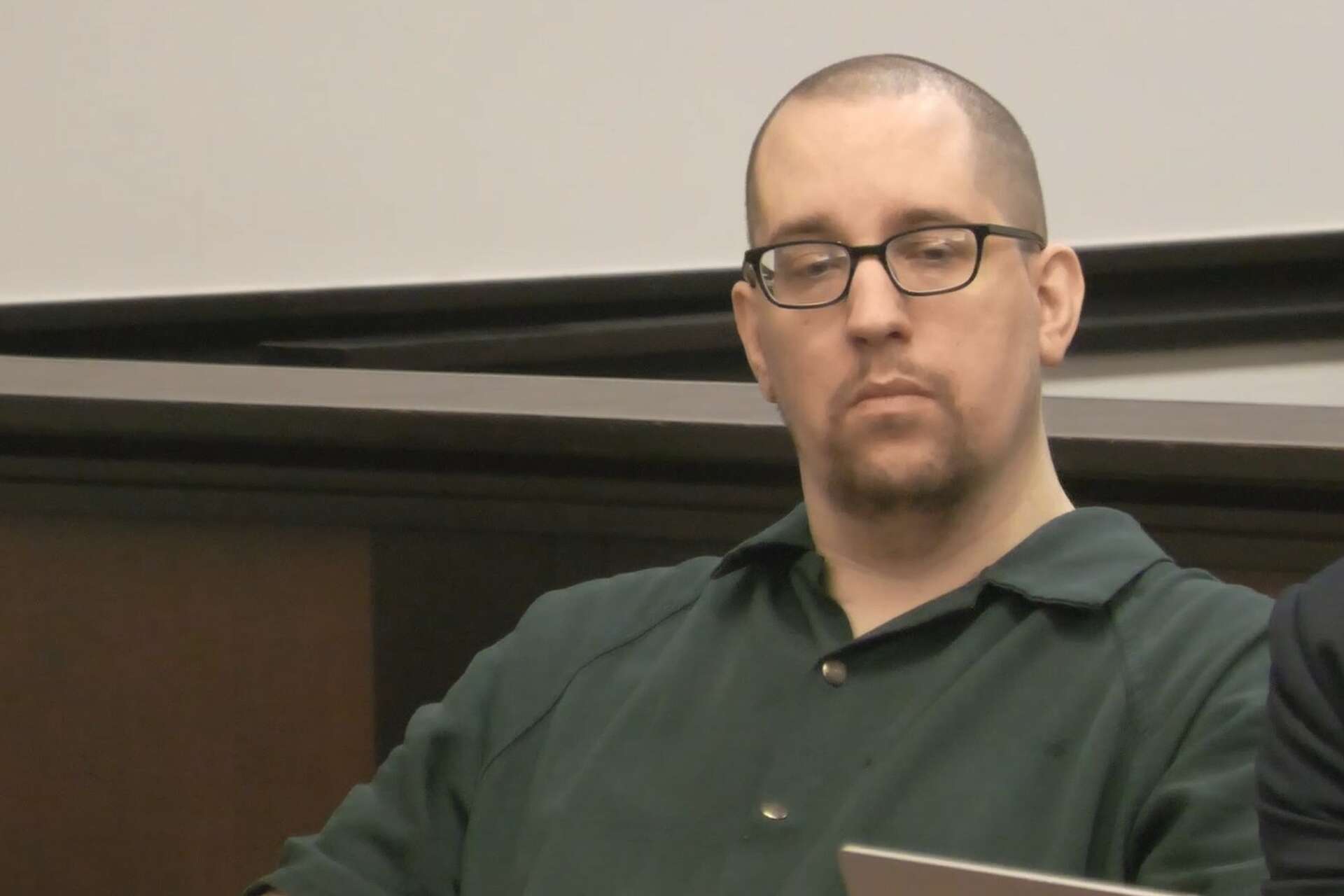
In Texas, Mullis’s life spiraled out of control. By January 2008, he was living in a trailer with his girlfriend and their infant son, Elijah James Mullis. The night of January 28th, a confrontation triggered a horrific tragedy: Mullis ultimately killed his three-month-old son, a crime for which he pleaded guilty.
On January 29th, 2008, Elija’s small body was discovered near Galveston’s Seawall, a discovery that shattered a community. Mullis fled northward but soon surrendered to police in Philadelphia, fully confessing to the crime without hesitation or plea bargaining.
The legal process began a prolonged journey toward justice. In 2011, after a brief trial, a jury convicted the 24-year-old Mullis of capital murder. Yet, the sentencing phase raised profound questions, centering on whether Mullis still posed a societal threat.
Prosecutors painted Mullis as a remorseless predator, referencing previous violent behavior. The defense argued his broken past and untreated illnesses shaped his actions. However, deficient legal representation failed to fully present his brutal childhood and clinical records to the jury.

Sentenced to death on March 21st, 2011, Mullis was transferred to the Polunsky Unit, Texas’ notorious death row. Unlike most inmates, he refused to fight his sentence, seeking instead to expedite his execution, a rare stance reflecting his turmoil and acceptance.
Throughout his 13 years on death row, Mullis’s mental health and conviction blurred. He oscillated between waiving appeals and reinstating them, later admitting that bipolar disorder and suicidal ideation influenced his decisions, complicating the discourse about justice versus mental illness.
Federal defenders argued his choice to waive appeals was a symptom of his illness, asserting courts failed to properly evaluate his competence. Nonetheless, appeals courts consistently upheld the waiver, leaving his execution uncontested within the legal system’s confines.
Inside the walls of death row, a transformation quietly unfolded. Mullis found faith, counseling fellow inmates and demonstrating personal growth. Despite the horrors of his past and crime, he developed genuine accountability, challenging rigid perceptions of those condemned to die.
On the morning of September 24th, 2024, Mullis was transferred to the Huntsville Unit for his execution. Texas, since 2011, abolished special last meals; Mullis ate the regular prison cafeteria fare without ceremony or fanfare, marking an austere end to his journey.
The execution chamber witnessed a tense twenty-minute delay as technicians struggled to establish an IV line. Witnesses described the silence as both eternal and void, underscoring the grim weight of the moment just before death’s final act.
At 6:40 p.m., secured to the gurney, Mullis was asked for any final words. His measured statement expressed gratitude to supporters, acknowledged his crime, apologized to his son’s mother, and affirmed his readiness, poignantly reflecting on redemption and personal responsibility.
His final line sealed his fate: “The morality of execution is between you and God. It was my decision that put me here. I’m ready, Warden.” At 7:01 p.m., Travis James Mullis was pronounced dead, becoming the 591st person executed by Texas since 1982.
The Galveston County District Attorney emphasized the jury’s verdict and legal affirmations spanning over a decade, framing the execution as a fulfillment of justice for Elijah Mullis, who would have turned 17 the following month, robbed of a full life.
Mullis’s defense attorney Shawn Nolan issued a heartbreaking statement, highlighting the irreversible loss of Elijah and questioning the justice of executing a man deeply scarred by severe mental illness—“Texas will 𝓀𝒾𝓁𝓁 a redeemed man tonight.”
This case crystallizes a harsh dilemma: respecting the autonomy of a mentally ill individual choosing death versus the imperative for the legal system to protect vulnerable citizens from self-destructive decisions influenced by disease.
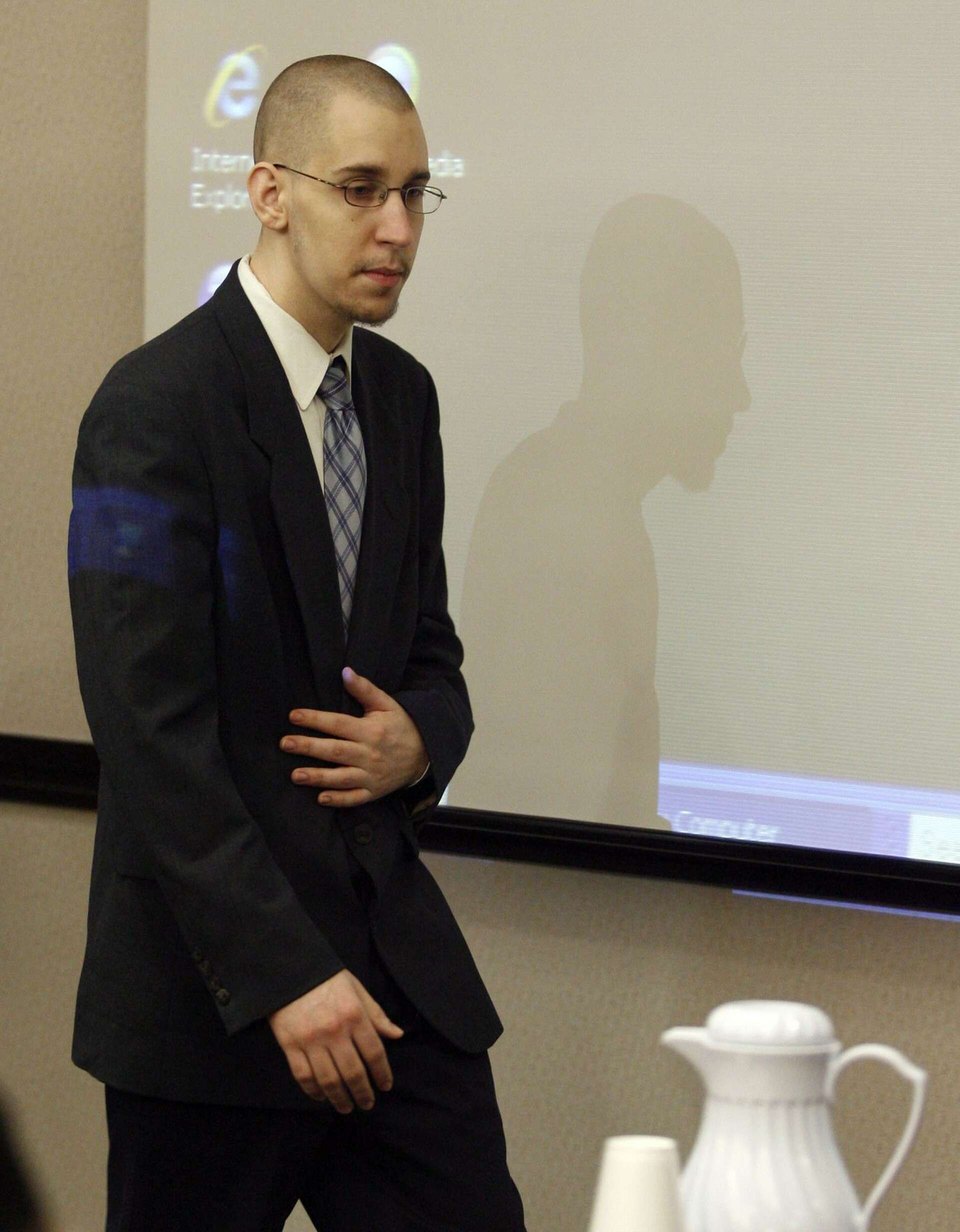
Travis James Mullis’s story is a complex interplay of 𝓪𝓫𝓾𝓼𝓮, mental health failure, legal process, and a tragic crime of a lifetime. It forces society to confront uncomfortable questions about justice, mental illness, accountability, and the death penalty’s application.
Elijah James Mullis remains at the heart of this tragedy: a life cruelly ended at 91 days old, a silent victim holding the story’s ultimate sorrow and loss. The debate over this case will persist, stirring intense reflection on the law and human frailty.
As the dust settles on Mullis’s execution, the conversation this case ignites must continue. It challenges the systems designed to administer justice and care while demanding truth about how mental illness and trauma shape human lives and legal outcomes.
In Texas, where executions are frequent but cases like Mullis’s are rare, this story adds a profound chapter to the ongoing national conversation about capital punishment, mental health, and the meaning of redemption in a broken system.