The world of hip-hop and street allegiance was rocked late Tuesday night when Savannah, Georgia rapper Quando Rondo, born Tyquian Terrel Bowman, publicly renounced his gang affiliation in a series of emotional Instagram stories, declaring he has laid down his flag. The announcement, which came just months after the tragic execution-style murder of his close friend and associate Lul Pab, has sent shockwaves through the industry, prompting a firestorm of reactions from fellow rappers, gang affiliates, and fans who are questioning the authenticity and timing of his decision. In a raw and unfiltered rant, Rondo severed all ties with the Roland 60s neighborhood Crips, a subset of the larger Crip gang network, writing, I’m not jump out gang either ain’t no loyalty in this.
I’m My Own man. I laid my flag down. I’m not NH y’all ain’t gonna ride for a for real. It’s no sense of me being a part of y’all. The rapper’s words were laced with a palpable sense of betrayal and disillusionment, as he accused his former gang members of fraternizing with the opposition and failing to provide support during his most vulnerable moments. This dramatic pivot comes after years of escalating violence that has plagued Rondo’s career, including a deadly 2020 shootout that left rapper King Von dead and Rondo facing intense scrutiny, legal battles, and a string of canceled concerts. The breaking point, however, appears to be the August 19, 2022, shooting in Beverly Grove, Los Angeles, where three hitmen dressed in black ambushed Rondo and Lul Pab at a gas station, firing execution-style into their vehicle. Rondo managed to escape, but Lul Pab succumbed to his injuries, a loss that Rondo described as an unbearable weight on his shoulders. In his Instagram rant, he wrote, Nobody knows what the hell I’m going through. I watched my homie die. I want to see a lot of y’all wake up and keep a level head after that. The rapper further clarified that his decision was not just about personal safety but a profound realization that his gang brothers would not shed a tear if he died. He stated, I’m focusing on myself and my little girl. That’s who I’m living for. This declaration has ignited a fierce debate within the hip-hop community, with some praising his courage to walk away from a life of violence, while others, particularly those deeply embedded in gang culture, have condemned his move as cowardly or strategically motivated.
The reaction from the rap world was swift and unforgiving, with several prominent figures taking to social media to dissect Rondo’s decision. Rapper Jay Stone, a close associate of the late Nipsey Hussle, who was himself a victim of gang violence in Los Angeles, was among the first to respond. In an Instagram post, Stone directly challenged Rondo’s claim, writing, You can’t drop your flag and say you not an H. No mo. Go to the hood and get your put off. Don’t cry now. Stone’s comments reflect a deep-seated code within street organizations where renouncing one’s gang is seen as a betrayal of the very identity that provided protection and brotherhood. He continued, We lose homies all the time. Not everybody go ride. You as a goofy slash internet banger anyway. This sentiment was echoed by Whack 100, a well-known figure in the Los Angeles hip-hop scene and a former associate of the late Nipsey Hussle. Whack 100 offered a more analytical perspective, suggesting that Rondo’s move might be driven by fear of federal prosecution rather than genuine remorse. He said, I’m thinking with my mind. A lot of been talking that but they ain’t really been in that. That’s different when a drop in front of you and you know you could have gone with him. He continued, When the police came, that went to civilian. All the way civilian. Know what he is doing. I’m gonna drop my flag. Whack 100 then drew a parallel to the case of rapper Tekashi 6ix9ine, who cooperated with federal authorities and was branded a snitch, warning, They’re gonna intercept some wiretaps on threatening. They’re going to do something to him. They’re gonna let him near it and it’s gonna get jiggy. This theory suggests that Rondo may be attempting to distance himself from potential legal repercussions stemming from the ongoing investigations into the violence surrounding him. Another rapper, Julio Foolio, who has no direct gang affiliation but is known for his commentary on street politics, weighed in with a more fatalistic view. On his Instagram story, he wrote, The dog homeboy died in Cali. He trying to squash beef and throw his flag in. It’s too late for that nephew. This implies that Rondo’s actions may be seen as hollow or insufficient to undo the damage already done. Despite the barrage of criticism, Rondo has not publicly responded to any of these attacks, instead focusing on promoting his upcoming Chicago tour with NBA YoungBoy, a sign that he is determined to move forward with his career and personal life. The silence has only fueled speculation, with some fans interpreting it as a sign of weakness, while others see it as a mature decision to avoid further conflict.
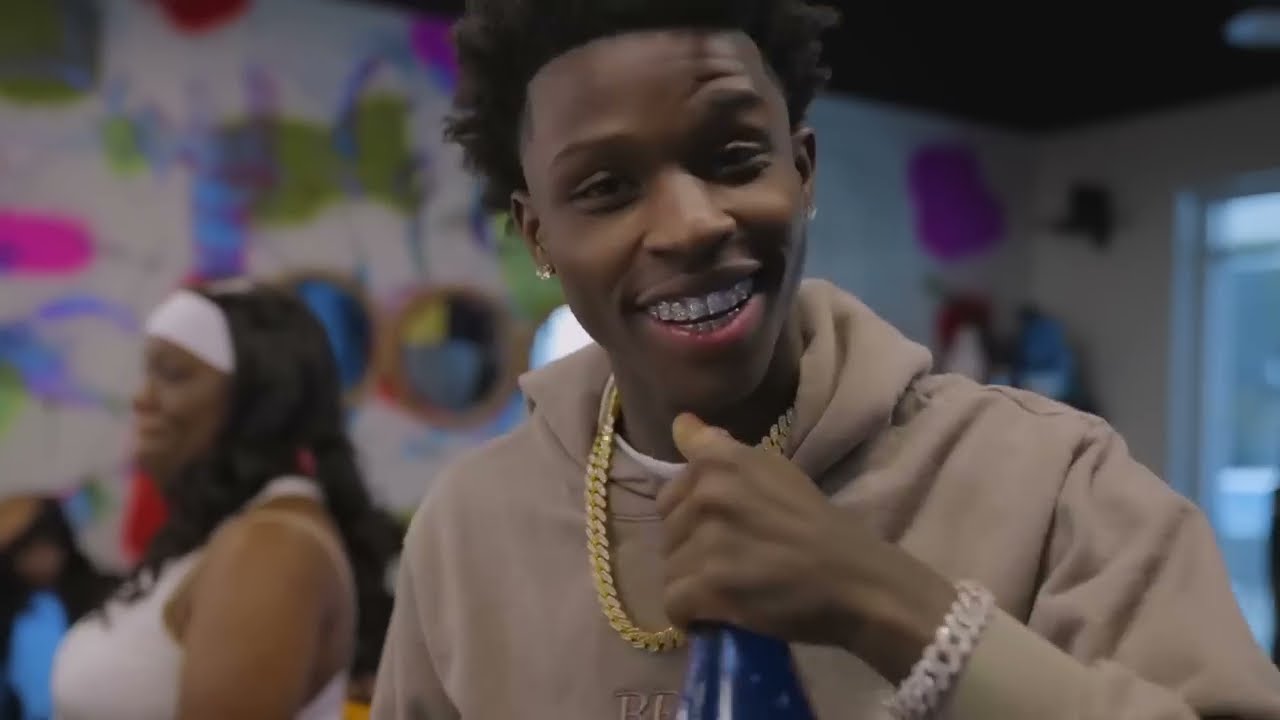
The roots of Quando Rondo’s gang affiliation have long been a subject of debate and confusion, with many questioning whether he was ever a legitimate member of the Roland 60s Crips or simply a rapper who adopted the imagery for street credibility. The uncertainty came to a head in 2021 when street legend and Crips member Big U, a respected figure in Los Angeles gang culture, publicly claimed that Rondo had attempted to check in with the gang for protection. In an interview, Big U stated, Youths in the rap industry today get into the streets and believe they have what it takes to be gangsters until they realize they should have checked in with the gangs before claiming the streets. He specifically named Rondo, saying, My Quando Rondo that you can’t call me now. You can’t call me with a fire hat. Yes. To check in with gangs means to pay money to these street gangs in exchange for protection and recognition, especially in the streets of LA. This accusation was a direct challenge to Rondo’s authenticity, implying that he was an outsider who tried to buy his way into a dangerous world without understanding the consequences. Rondo responded with a video denying Big U’s claims, asserting that his call was about charity work, not gang affiliation. He said, I hit up Big U for something different. That wasn’t in any way related to seeking gang protection or trying to be a gang member because got a lot of charity going on because I just got a lot of positive. This back-and-forth highlights the complex and often contradictory nature of gang identity in the rap industry, where artists walk a fine line between artistic expression and real-world consequences. Rondo’s latest move to lay down his flag may be seen as an attempt to finally clarify his position, but it has only deepened the mystery. The rapper’s history of violence, including his involvement in the 2020 shooting that killed King Von, has made him a target for both law enforcement and rival gangs. The King Von incident, which occurred in Atlanta, resulted in Rondo being charged with murder, though he was later acquitted. The legal battles and constant threat of violence have taken a toll on his mental health and career, with many venues refusing to book him due to safety concerns. His decision to renounce his gang may be a desperate attempt to reclaim his life and protect his young daughter, but the path forward is fraught with peril. As one fan commented on social media, He’s trying to get out before it’s too late, but the streets don’t let you go that easily. The coming weeks will be critical in determining whether Rondo can truly escape the cycle of violence that has defined his life, or if his words will be just another chapter in a tragic story.
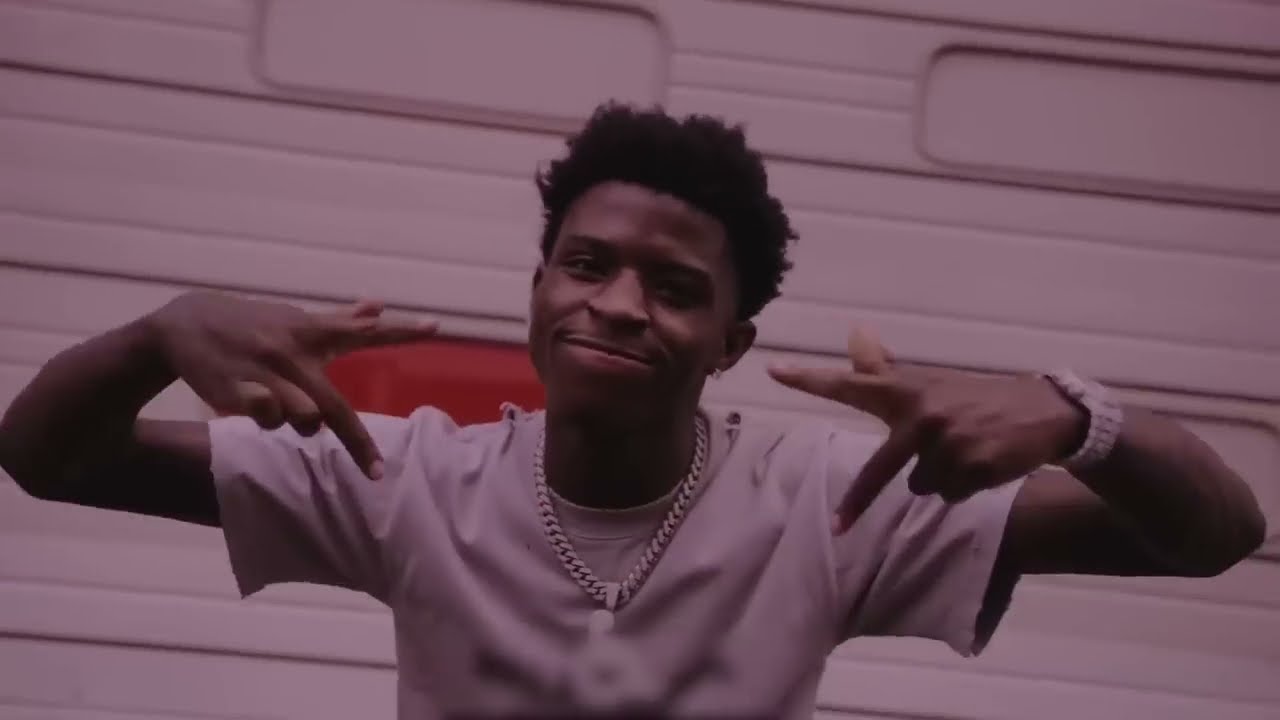
The broader implications of Quando Rondo’s decision extend far beyond his personal life, touching on the deep-seated issues of gang culture, loyalty, and the price of fame in the hip-hop industry. For years, rappers have used gang affiliations as a marketing tool, leveraging street credibility to build fan bases and sell records. However, the real-world consequences are often deadly, as seen in the murders of Nipsey Hussle, King Von, and countless others. Rondo’s move to lay down his flag is a rare public acknowledgment of the toxicity of this lifestyle, but it has been met with skepticism from those who believe he is only doing so because he has no other choice. The reactions from Jay Stone, Whack 100, and Julio Foolio underscore a fundamental tension within the community: the expectation that once you claim a gang, you are bound to it for life, regardless of the personal cost. This code of honor, however, is increasingly being challenged by younger artists who see it as a trap. Rondo’s Instagram rant, in which he wrote, Y’all [__] with the opposition. It don’t take rocket science to see what the [__] going on. Everybody already hate me. I ain’t tripping on the extra hate. I’m about to focus on my family, the ones who’ve gone really drop a tear if I die, reveals a man who feels isolated and betrayed by the very system he once embraced. His decision to name a select few friends, including LOL D, Trench, Los, Serio, big dude, and LOL Tim, suggests that he is retreating into a tight inner circle, cutting off the broader network that once defined his identity. This move is reminiscent of other artists who have attempted to leave gang life, such as Snoop Dogg, who famously renounced his Crip affiliation in the 1990s, but even he faced years of scrutiny and legal troubles before achieving mainstream success. The difference is that Snoop’s transition was gradual and supported by a strong team, while Rondo’s is abrupt and comes in the wake of a traumatic event. The question on everyone’s mind is whether he can sustain this new path or if the streets will pull him back in. The lack of response from the Roland 60s Crips themselves is telling, as it may indicate that they are waiting to see if Rondo’s words are genuine or if he will eventually return to the fold. In the meantime, the hip-hop world watches with bated breath, as this story unfolds like a real-life drama that could have far-reaching consequences for how gang affiliation is perceived in the industry.
As the dust settles on Quando Rondo’s announcement, the focus now shifts to his future and the potential fallout from his decision. The rapper has already begun to pivot his public image, using his Instagram to promote positive messages and his upcoming tour with NBA YoungBoy, a collaboration that itself is fraught with controversy given YoungBoy’s own legal issues and gang ties. This partnership could be seen as a lifeline for Rondo, offering him a chance to rebuild his career away from the violence that has defined it. However, the path is not without obstacles. The reactions from other rappers have made it clear that Rondo will face significant pushback from those who view his actions as a betrayal. Whack 100’s warning about federal wiretaps adds another layer of complexity, suggesting that law enforcement may now view Rondo as a potential informant, a label that could put his life in even greater danger. The comparison to Tekashi 6ix9ine is particularly damning, as 6ix9ine’s cooperation with authorities led to his ostracization from the hip-hop community and constant threats to his safety. Rondo’s silence in the face of these accusations may be a strategic move to avoid further escalation, but it also leaves him vulnerable to interpretation. Fans have taken to social media to debate the sincerity of his actions, with some praising his courage and others accusing him of being a hypocrite. One commenter wrote, He watched his friend die and realized the streets don’t care. That’s real growth. Another countered, He’s just scared because he knows he’s next. This isn’t about loyalty, it’s about survival. The truth likely lies somewhere in between, as Rondo navigates a complex web of emotions, legal pressures, and career ambitions. His decision to lay down his flag may be the first step toward a new chapter, but it is also a risky gamble that could backfire spectacularly. The coming months will be crucial as he attempts to distance himself from his past while maintaining his relevance in an industry that thrives on authenticity. Whether he succeeds or fails, his story serves as a cautionary tale about the dangers of mixing music with street life, and the high cost of trying to break free. For now, the world watches, waiting to see if Quando Rondo can truly become his own man, or if the flag he laid down will be picked up by someone else, ready to continue the cycle of violence.
Source: YouTube