In a harrowing conclusion to a decades-long legal battle, Brandon Bernard was executed by lethal injection in Indiana on December 10, 2020, after spending over twenty years on death row for a 1999 Texas double murder. His final hours unfolded in quiet resignation as nationwide debate reignited over justice and mercy.

Brandon Bernard, convicted at just 18 years old for his role in the tragic deaths of two youth ministers, faced his last day enveloped in somber calm. Despite prolonged appeals and widespread pleas from activists, celebrities, and legal experts, the federal government authorized the execution under the Trump administration’s directive.
Born July 3, 1980, in Colleen, Texas, Bernard’s youth was marked by detachment and a search for identity, leading him to join a gang that masked vulnerability with violence. His involvement escalated tragically in May 1999 when a carjacking led to the kidnapping and murder of Todd and Stacy Bagley, a young married couple devoted to their faith and community.
Though Bernard did not fire the fatal shots, prosecutors maintained his critical role in the crime—setting the victims’ car ablaze while one woman was still alive. This act sealed his fate, overshadowing arguments from later years that described him as scared and manipulated rather than the cold-blooded killer portrayed in court.

The trial in 2000 was swift and relentless. Graphic evidence and testimonies painted Bernard as a dangerous gang member. Notably, his defense attorneys offered no character witnesses during sentencing, a failure criticized by many posthumously. Five jurors would later express regret, admitting they might have chosen differently had the full context been presented.
Bernard’s time on death row was marked by quiet reflection and remorse. On the morning of his execution, he made calls to loved ones and his spiritual adviser, showing no signs of rebellion or distress. His final hours included shared scripture readings and the writing of a personal letter to his daughter, kept private from the public.
Outside the prison in Terre Haute, Indiana, tension simmered among protesters and supporters. Signs waved for justice and mercy, while media crews captured the solemn atmosphere. The execution chamber itself was stark and cold, a grim theater where time ran out for Bernard.

At 9:25 p.m., Brandon Bernard uttered his last words: a heartfelt apology, a plea for peace, and a sincere expression of love. His voice trembled with emotion, breaking the silence of a room steeped in finality. Moments later, the lethal chemicals were administered, ending his life by 9:27 p.m.
The execution reignited fierce discussions about the death penalty, especially for young offenders. Bernard’s case highlighted critical flaws in the justice system—including inadequate defense and the moral complexities of sentencing youths to death. Advocates argue his execution underscores the need for reform, while others see it as closure for victims’ families.
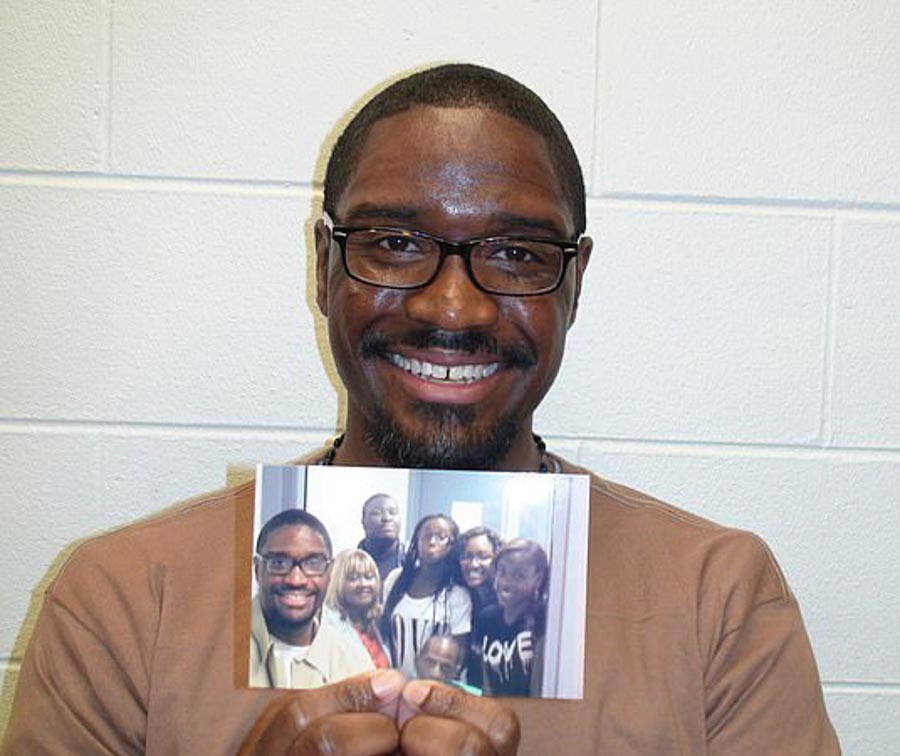
Families of the victims bore the painful weight of renewed grief, some finding solace, others remaining silent. Meanwhile, Bernard’s family and attorneys mourned a man they came to see as more than a statistic—someone shaped by circumstance, capable of remorse and growth, yet consumed by a mistake that defined his entire life.
In death, Brandon Bernard remains a figure of intense controversy—a symbol of a justice system grappling with balance between punishment and the possibility of redemption. His execution did not silence the debate but amplified a persistent national conversation about accountability, youth, and the ultimate price of crime.
As the night settled over Indiana, candlelight vigils flickered with quiet reverence and uneasy tension. The country was left confronting its own reflections on justice—struggling with the enduring question of when punishment ceases to serve justice and becomes irreversible retribution.
Brandon Bernard’s final day closed a chapter on one life overshadowed by violence and regret, yet opened new discourse on the death penalty’s place in modern America. His story remains a haunting reminder of the high stakes in decisions where law, mercy, and humanity converge under the unforgiving gaze of time.