In the predawn hours of November 20, 2013, Joseph Paul Franklin, the notorious racist serial killer responsible for at least 22 murders, met his end by lethal injection at Potosi Correctional Center in Missouri. After decades on death row, Franklin declined a last meal and uttered no final words, leaving behind a trail of hate and unresolved grief for victims’ families. This execution marks the grim closure of one of America’s darkest chapters of domestic terrorism, sparking urgent questions about justice and racial violence.
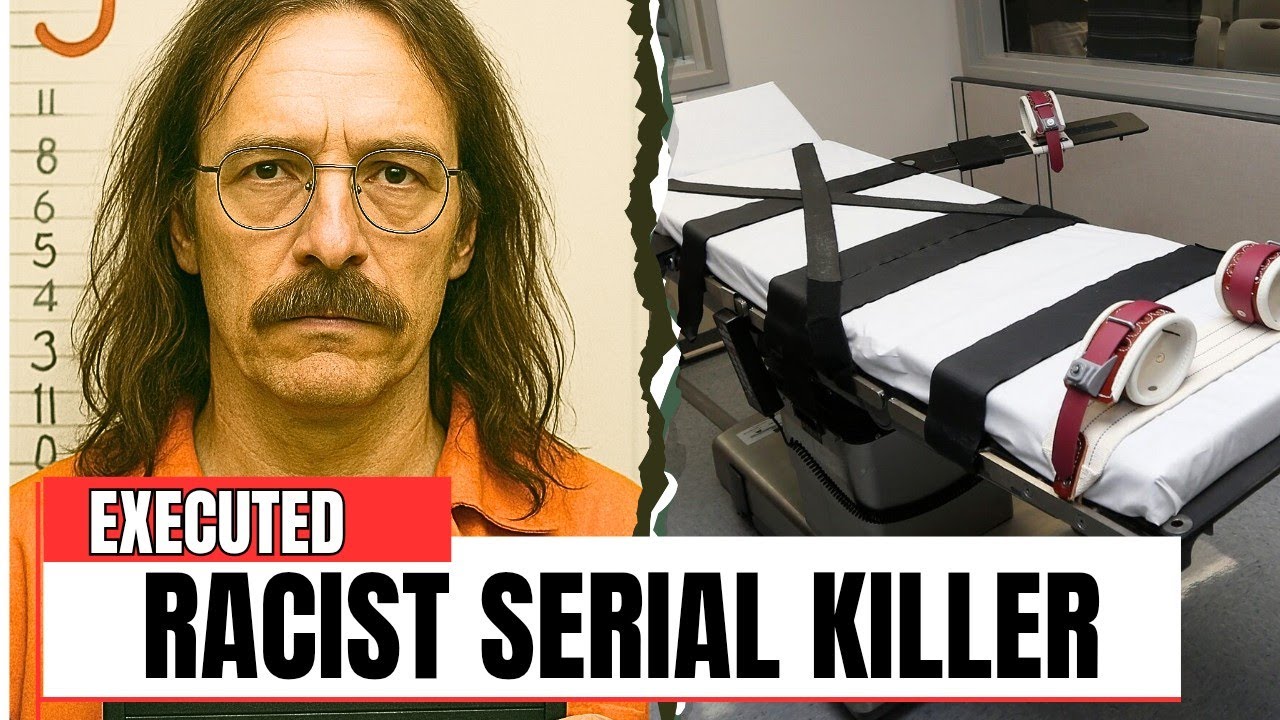 Franklin’s life was a descent into unbridled hatred, beginning in his troubled Alabama childhood and escalating into a cross-country spree of targeted killings. Born James Clayton Vaughn Jr., he reinvented himself as a white supremacist, adopting the name of historical figures to fuel his ideology. His attacks struck synagogues, interracial couples, and black communities, driven by a warped vision of racial purity that terrorized the nation in the 1970s and 1980s.
As news of his execution spreads, authorities confirm Franklin confessed to the murders without remorse, detailing shootings from Wisconsin to Georgia. His victims included children, civil rights leaders, and innocent bystanders, each attack meticulously planned from afar with sniper rifles. The urgency of this story lies in the fear he instilled, forcing a nation to confront the depths of extremism lurking in plain sight.
In his final days, Franklin showed no signs of panic, remaining isolated and silent under constant watch. Guards reported he barely touched his standard prison meal of meatloaf and potatoes, a stark contrast to the lives he extinguished without hesitation. This execution, delayed by last-minute legal challenges, underscores the painstaking process of delivering justice in capital cases.
Franklin’s crimes began with a 1977 firebombing of a Tennessee synagogue, quickly escalating to fatal shootings that spanned multiple states. In Madison, Wisconsin, he killed an interracial couple in cold blood, viewing it as the start of his “race war.“ Law enforcement struggled to connect the dots as he moved like a ghost, evading capture for years while leaving a wake of devastation.
The execution proceeded after a federal court stay was lifted, highlighting ongoing debates over lethal injection methods. Witnesses described Franklin’s stoic demeanor as he was strapped to the gurney, his eyes closing forever at 6:17 a.m. This moment brings immediate attention to the human cost of hate, urging society to reflect on prevention and healing.
 Franklin’s background reveals a pattern of 𝓪𝓫𝓾𝓼𝓮 and isolation, from an alcoholic father to failed relationships that fueled his radicalization. He joined white supremacist groups but soon rejected them as not extreme enough, turning to solitary acts of violence. His arrest in 1980 for a pawn shop robbery unraveled his killing spree, leading to convictions across jurisdictions.
As the nation absorbs this breaking news, victims’ families express mixed emotions, with some finding solace in the execution while others decry the lost years. Franklin’s silence in his last moments echoes the void he left in countless lives, a reminder of the enduring impact of racial terror. The urgency here is palpable, as communities grapple with the legacy of his actions.
In courtrooms from Missouri to Indiana, Franklin’s trials 𝓮𝔁𝓹𝓸𝓼𝓮𝓭 the breadth of his atrocities, including the 1980 shooting of civil rights leader Vernon Jordan. Jurors heard chilling details of his methods, from scouting targets to vanishing into the night. This execution doesn’t erase the pain but serves as a stark warning against rising extremism.
Franklin spent 33 years on death row, filing endless appeals that prolonged his life while prolonging victims’ suffering. His claims of religious conversion rang hollow to those he harmed, adding layers to this urgent narrative. Now, with his death confirmed, the focus shifts to accountability and education to prevent future horrors.
The execution’s ripple effects are immediate, reigniting discussions on the death penalty’s role in society. Critics argue it mirrors the very violence it seeks to end, while supporters see it as necessary closure. Franklin’s story, unfolding in real time through this report, demands attention to the systemic failures that allowed his reign of terror.
 As details emerge, law enforcement agencies are reviewing related cold cases, ensuring no stone is left unturned. Franklin’s confessions, once dismissed as boasts, now guide investigations into unresolved murders. This breaking development underscores the need for vigilance against hate crimes in an era of division.
Franklin’s final hours were marked by isolation, with no visitors or calls to bid farewell. His refusal to speak amplified the 𝒹𝓇𝒶𝓂𝒶, leaving the world to interpret his silence. In this fast-paced account, the urgency is clear: justice, though delayed, has arrived, but the fight against racism continues.
Witnesses inside the chamber described a clinical process, with Franklin’s body going still after the injection of pentobarbital. Outside, the world awakens to this news, prompting widespread reflection on America’s history of racial violence. The implications are profound, urging immediate action to address underlying hatred.
Franklin’s execution caps a saga that began with petty crimes and spiraled into national infamy. His ability to operate undetected for years highlights flaws in early investigative efforts, a lesson for modern law enforcement. This story’s urgency lies in its call to action, preventing another Franklin from emerging.
 As media outlets broadcast this development, public reactions pour in, from outrage to relief. The event’s timing adds to its impact, coinciding with ongoing national conversations about race and justice. Franklin’s death isn’t just an end; it’s a catalyst for change.
In the aftermath, Missouri officials confirm the execution was carried out without complications, closing the book on Franklin’s case. Yet, the echoes of his crimes persist, demanding that society confront the roots of such extremism. This breaking news story serves as a urgent reminder of the stakes involved.
Franklin’s victims, from young boys in Cincinnati to synagogue congregants in St. Louis, deserve remembrance in this narrative. Their stories, intertwined with his, illustrate the human toll of unchecked hate. As details unfold, the world watches, hoping for a safer future.
This execution, while final for Franklin, opens new chapters in the pursuit of justice. Lawmakers and communities must act swiftly to combat rising threats of domestic terrorism. The urgency of this report is to inform and mobilize, ensuring such darkness doesn’t prevail.
In wrapping this fast-paced account, the execution of Joseph Paul Franklin stands as a pivotal moment in American history. His life of violence has ended, but the lessons endure, calling for immediate vigilance against hate. The nation moves forward, forever changed by this grim event.
Source: YouTube