Stanley Tookie Williams was executed on December 13, 2005, at San Quentin State Prison after spending over two decades on death row for multiple murders. His complex story of gang leadership, violent past, and later efforts to prevent youth violence sparked fierce debate over justice, redemption, and the death penalty in America.

Williams’ life traced a violent beginning to an unexpected transformation behind bars. Born in 1953 in New Orleans and raised in Los Angeles’ gang-ravaged South Central, he co-founded the notorious Crips gang at 17. The gang’s brutal rise marked decades of crime and bloodshed nationwide, with Williams as a feared enforcer.
In 1979, Williams was convicted of four murders in separate incidents: a 7-Eleven robbery killing and the murder of a Taiwanese immigrant family at a motel. Despite the gravity of the crimes, no physical evidence such as DNA or murder weapons tied him directly to the scenes. The case hinged on witness testimony, some controversial, and jail informants whose reliability was questioned.
Throughout his trial, Williams insisted on his innocence. His defense emphasized alleged police misconduct, racial bias, and unreliable witnesses. Yet, in 1981, a jury found him guilty on all counts; he was sentenced to death. He would remain on death row for 24 years, enduring long periods of solitary confinement and hardship.
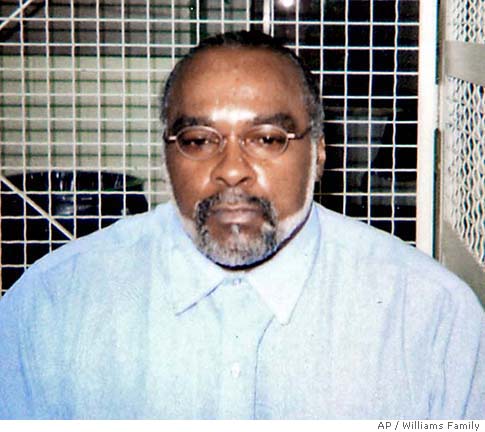
What followed challenged common narratives of criminals on death row. After years of violent behavior, Williams underwent a profound personal transformation. He became a vocal advocate against gang violence, authoring a series of children’s books urging youth to reject gang life. His work gained international recognition and praise from prominent figures.
This unexpected redemption arc earned Williams five Nobel Peace Prize nominations and endorsements from celebrities and activists. He even played a pivotal role in brokering peace between rival gangs. Despite his reform efforts, his execution stood as a symbol of unresolved debate over whether redemption should factor into capital punishment decisions.
Governor Arnold Schwarzenegger ultimately denied clemency hours before Williams’ scheduled execution, citing the lack of apology or admission of guilt as a barrier to true redemption. The rejection echoed through public discourse, igniting protests and calls for reevaluating the death penalty’s moral and legal foundations.
Williams declined a last meal and made no final statement. Witnesses reported that the lethal injection process was prolonged and appeared troubled. His death raised profound questions about justice, forgiveness, and the deeply polarized views on the American criminal justice system’s handling of complex cases.
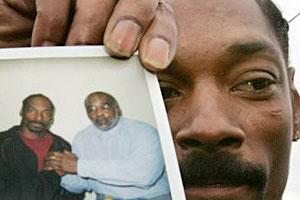
The families of victims received closure in the form of Williams’ death sentence being carried out, yet many remain haunted by lingering doubts about the fairness of the trial and sentencing. Meanwhile, his supporters mourned a man they believed had transcended his violent past to make a positive impact.
The extraordinary funeral drew thousands, a mix of gang members, celebrities, and community leaders, visibly illustrating how divided public opinion was on Williams’ legacy. The event underscored the tension between punishment and rehabilitation, fueling continued debate across legal, social, and political arenas.
To this day, the controversy surrounding Stanley Tookie Williams’ execution endures as a stark example of America’s complicated relationship with crime, punishment, and redemption. His story forces a reckoning with whether justice was truly served or if the system failed a man who sought to change from within his prison cell.