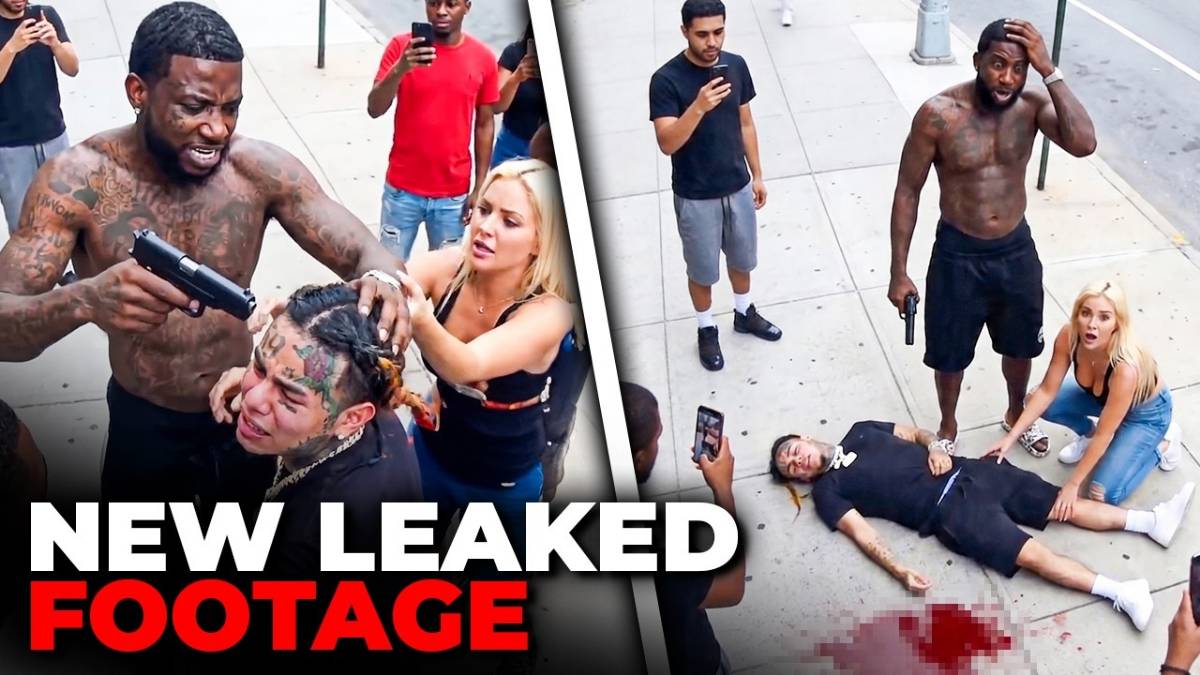
A long-simmering feud over the very soul of hip-hop’s street code has erupted into open warfare, pitting Gucci Mane against 6ix9ine in a confrontation built on a violent robbery, federal indictments, and a five-year grudge. The clash, playing out across diss tracks and social media rants, centers on allegations of cooperation with law enforcement and threatens to redefine the rules of the game.
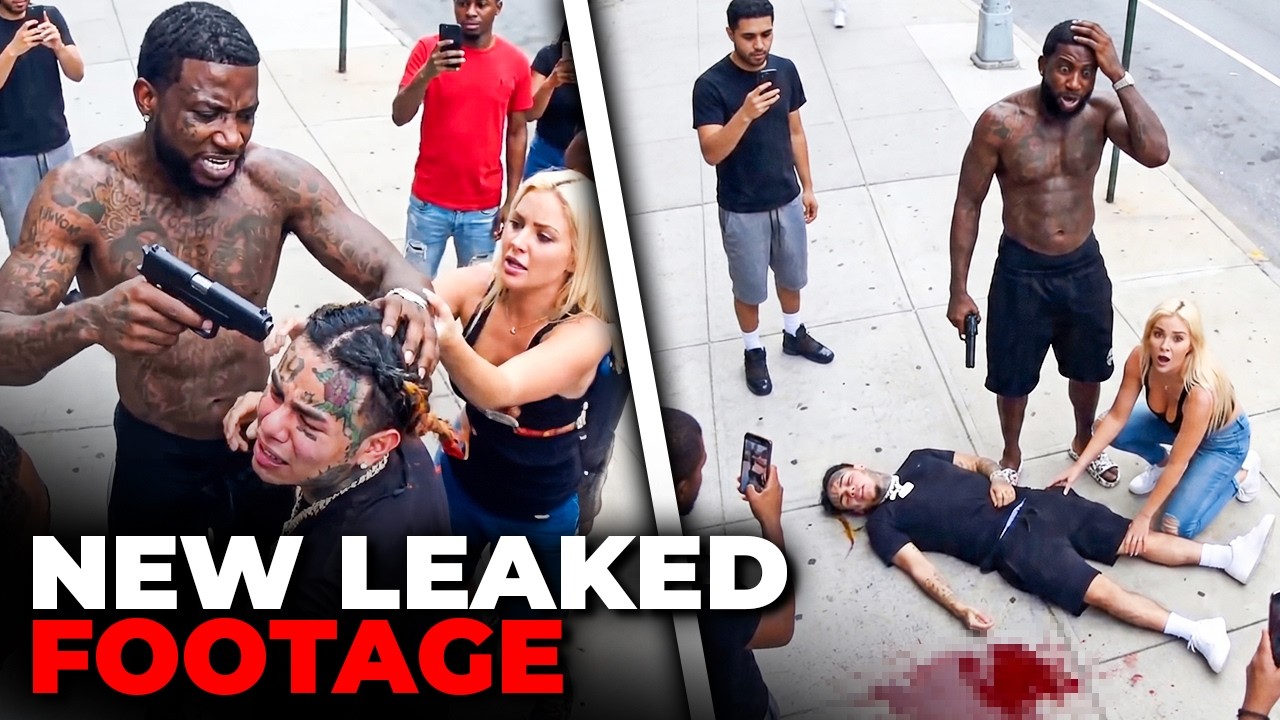 The explosive conflict was ignited by the federal kidnapping case against Gucci Mane’s former flagship artist, Pooh Shiesty. According to a detailed FBI complaint, Shiesty and eight accomplices allegedly orchestrated an armed takeover of a Dallas recording studio on January 10th, 2026, holding Gucci at gunpoint to force him to sign contract release papers.
The incident itself was a shocking violation, but the aftermath is what fueled the fire. Gucci Mane and his associates reportedly provided detailed suspect statements to Dallas police that very night, identifying alleged perpetrators by name, clothing, and social media handles. This cooperation became the foundation of a sweeping federal case.
For 6ix9ine, whose own legacy is defined by his extensive cooperation in a 2019 racketeering case, Gucci’s actions represented a monumental hypocrisy. Released from custody just days after the federal arrests were announced, 6ix9ine launched an immediate and relentless campaign mocking Gucci Mane.
“All right, so now y’all believe me. I’ve been literally SAYING THIS FIVE YEARS,” 6ix9ine declared in one viral rant, framing the event as vindication. He meticulously dramatized the robbery, replaying the alleged demand, “Give me everything. I want everything. Take this out your ears.”
 His critique extended beyond mockery into a stark legal analysis. During a live stream with Adin Ross, 6ix9ine lectured on federal procedure, predicting Gucci would be subpoenaed and forced to testify. “Gucci Mane will get subpoenaed. He will have to testify and if he denies it, he has to do time,” he stated, arguing the legal system leaves no room for silence.
6ix9ine’s central argument is not about personal animosity but about perceived cultural double standards. He posted side-by-side comparisons of Gucci’s old “never snitch” social media posts alongside lyrics from Gucci’s new song, framing the rapper as a symbol of a selectively enforced street code.
Gucci Mane’s sole direct response came in the form of a diss track titled “Crash Dummy,” released on April 10th. Over production reminiscent of his classic trap sound, Gucci asserted his dominance and clarified his legal position. “You went out like a real crash dummy. And after all that, boy, you still signed to me,” he rapped, declaring the gunpoint contract void.
He detailed the betrayal and the setup, rapping, “I thought it was a business meeting, but it was a setup.” The song’s emotional core rests on feelings of betrayal, with the hook repeating, “I done been betrayed. Now my heart turned cold.”
The hip-hop community’s reaction to Gucci’s track was swift and largely critical, focusing on his cooperation with police. Freddie Gibbs tweeted, “A snitched on a Zaytoven beat. That’s crazy.” Boosie Badazz was more blunt, stating, “Getting robbed by your artist, making a police report, then dissing the n**a for robbing you. This is crazy.”
Industry figures like Rick Ross and Big Meech weighed in, with Meech stating unequivocally he would never speak to police about a robbery. This backlash underscores the intense cultural pressure surrounding the “no snitch” ethos, even for a victim of a violent crime.
The legal backdrop is severe. Pooh Shiesty and his co-defendants face federal kidnapping charges with potential life sentences. A judge denied Shiesty bond, citing strong evidence and a prior home confinement violation. His attorney has signaled a defense that will present a “significantly different” story from the government’s.
 The motive for the alleged kidnapping appears rooted in a protracted contract dispute. Shiesty, reportedly frustrated with his 1017 Records deal after returning from prison, sought his release. The FBI complaint states he was “upset with the terms of his contract,” leading to the doomed, illegal attempt to secure his freedom by force.
Gucci Mane’s history makes the current situation uniquely charged. He is a figure who famously claimed to have fallen asleep when federal prosecutors once tried to flip him, choosing more jail time over cooperation. That reputation makes his victim statement in this case a potent symbol for 6ix9ine’s argument about universal self-preservation.
The confrontation ultimately transcends the two artists. 6ix9ine is using Gucci Mane’s situation as the ultimate case study to argue that the street code collapses under federal pressure. “As soon as they put 5, 10, 15 year, 20 years to life on my head, I’m snitching on everybody,” he stated on stream. “The difference between him and Gucci is not what they did. It is that he admitted it.”
As the federal case against Pooh Shiesty proceeds, the court of public opinion continues its parallel trial. Gucci Mane remains the CEO of 1017, with Shiesty technically still on the roster. 6ix9ine continues his social media campaign, ensuring this clash over betrayal, survival, and hypocrisy remains at the forefront of the culture. The saga has laid bare the irreconcilable conflict between street ethics and the unforgiving machinery of federal justice.
Source: YouTube