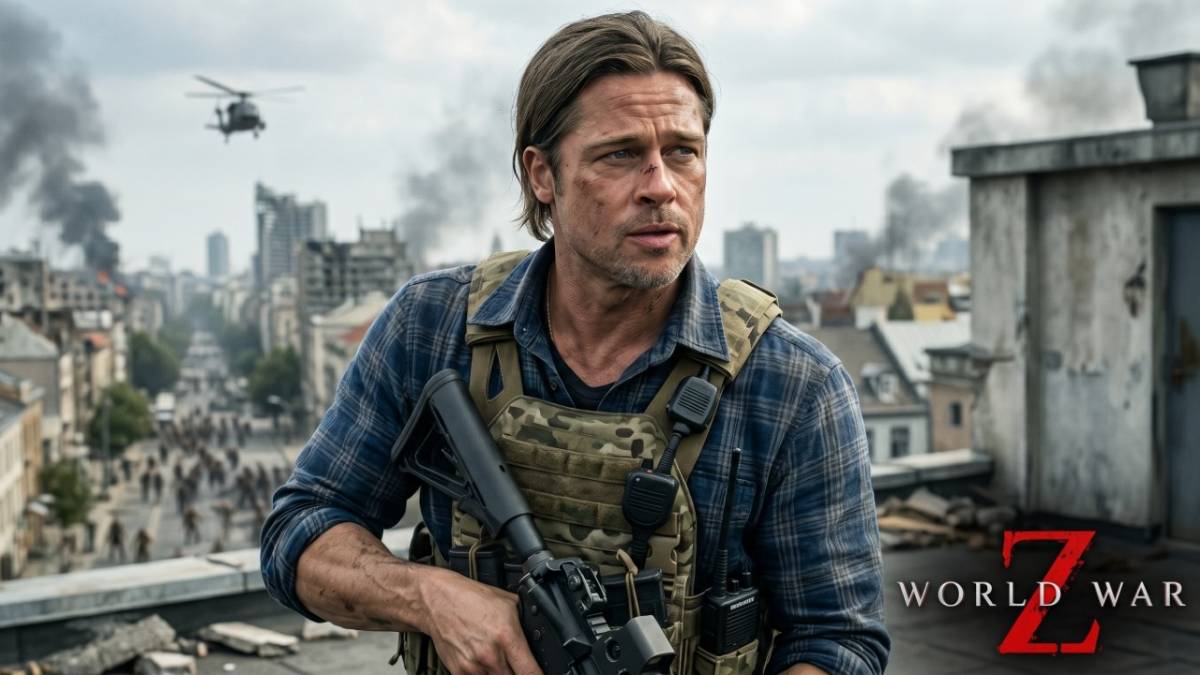
After more than a decade of dormancy and a near-mythical development hell, the long-awaited sequel to the global zombie blockbuster World War Z has been officially resurrected by Paramount Pictures. The stunning confirmation was delivered directly to the industry at CinemaCon 2026, signaling a dramatic reversal for a project once considered permanently deceased. This announcement marks a decisive victory for the franchise’s legion of fans and a major strategic play by the studio’s new leadership to reclaim a billion-dollar property.
 The original 2013 film, starring Brad Pitt, became an unexpected cinematic juggernaut by redefining the zombie genre with its terrifyingly swift infected and globe-trotting scale. Against significant production challenges, it earned a staggering $540 million worldwide, proving the potent commercial appeal of Max Brooks’ adapted universe. For years, a sequel seemed inevitable, entering development with acclaimed director David Fincher attached to helm and a script by Steven Knight.
That promising vision famously disintegrated in 2019 amid reported budget disputes and creative differences, leaving the project for dead in the eyes of Hollywood. The silence that followed led many to believe the zombie pandemic had been contained for good. The landscape at Paramount has since undergone a seismic shift under the new leadership of CEO David Ellison, who has initiated a sweeping regime change focused on leveraging the studio’s key franchises.
This corporate evolution has directly paved the way for World War Z 2’s return from oblivion. Ellison’s team has placed the sequel back on the studio’s priority development slate, recognizing its untapped potential. The CinemaCon reveal was deliberately straightforward—a firm, no-frills confirmation intended to establish legitimate momentum and distance the project from years of speculative rumors that have plagued its history.
Crucially, the announcement is a starting pistol, not a finish line. Paramount confirmed the film’s active development but provided no further concrete details, leaving major creative questions unanswered. No director is currently attached to the project, nor is there a confirmed release window or production start date. The studio is now tasked with assembling the key pieces that will define the sequel’s direction and scope.
 The most prominent question revolves around Brad Pitt’s involvement. The Oscar-winning actor, who led the first film as former UN investigator Gerry Lane, is widely expected to be involved in some capacity. Whether he will reprise his role on-screen or participate solely as a producer behind the scenes remains a complete unknown. His decision will fundamentally shape the narrative approach of the new installment.
Speculation within industry circles already points to potential directorial candidates, with Dan Trachtenberg’s name frequently mentioned. Trachtenberg, who directed the critically acclaimed Prey, has demonstrated a sharp ability to revitalize storied franchises with fresh intensity. His potential involvement suggests Paramount may be seeking a director who can blend visceral action with grounded storytelling, though no official talks have been confirmed.
Another significant factor in the sequel’s revival is the astonishing success of the World War Z video game. The cooperative shooter, released years after the film, has quietly amassed a dedicated community of over 30 million players. This sustained engagement demonstrated to Paramount’s new executives that profound audience appetite for this universe persists, providing compelling data to greenlight a new cinematic chapter.
This successful gaming adaptation also highlights the central creative dilemma facing the filmmakers. The 2013 film diverged significantly from the oral history documentary style of Max Brooks’ original novel. The sequel now has a critical choice: continue the cinematic story of Gerry Lane, or initiate a hard reset that aligns more closely with the book’s anthology structure, featuring entirely new characters and perspectives.

A continuation would offer audience familiarity and the star power of Brad Pitt, providing narrative closure to the first film’s unresolved global crisis. Conversely, a fresh start could allow filmmakers to explore the richer, more politically complex tapestry of the source material, potentially offering a more nuanced and sprawling view of the zombie apocalypse across different cultures and timelines.
The production will also face the challenge of evolving the genre itself. The fast-paced “zeke” zombies of the first film were groundbreaking in 2013, but the horror landscape has since shifted. The sequel must innovate once more, balancing the need for large-scale, terrifying set pieces with intelligent storytelling to avoid seeming like a mere retread of past successes.
Budgetary concerns, which famously scuttled the Fincher iteration, will loom large over pre-production. Paramount’s new leadership will need to approve a financial plan that justifies the sequel’s epic scale while maintaining fiscal responsibility. The pressure is on to deliver a film that can meet or exceed the commercial benchmark set by its predecessor in a changed theatrical market.
 Furthermore, the project enters development during a transformative era for Paramount, a studio actively rebuilding its slate under David Ellison’s Skydance partnership. World War Z 2 represents a cornerstone of this new strategy—a proven franchise with global recognition that can anchor the studio’s release calendar and potentially launch a new series of films.
The announcement has immediately ignited fervent discussion across social media and film forums. Fans are deeply divided, debating the merits of Pitt’s return versus a completely new ensemble. This early passion is a valuable asset for the studio, indicating a built-in audience that is deeply invested in the franchise’s future direction, but it also raises expectations exponentially.
As the industry digests this news, the focus now shifts to Paramount’s next moves. The coming months will be critical as the studio negotiates with talent, finalizes a creative vision, and locks in a production timeline. The path forward requires careful navigation to honor the legacy of the first film while forging a distinct and compelling new chapter.
The resurrection of World War Z 2 is more than just another sequel announcement; it is a testament to the enduring power of major intellectual property in modern Hollywood. It demonstrates how new management can reassess dormant assets, how ancillary success like video games can influence film slates, and how fan demand can ultimately triumph over years of developmental stagnation.
All eyes will now be on Paramount to see if they can successfully shepherd this project through production without succumbing to the pitfalls that doomed it before. The studio must assemble a team capable of delivering a film that justifies this second life, meeting the high stakes set by its own surprise announcement. The race to redefine the zombie epic for a new generation is officially back on.
Source: YouTube