A firestorm has erupted across the sports media landscape following explosive commentary from former NBA player Kwame Brown, who has forcefully reignited long-simmering speculation about LeBron James and performance-enhancing substances. Brown’s unfiltered analysis, dissecting recent remarks from other athletes and the media’s reaction, has torn open a conversation mainstream outlets have conspicuously avoided for years.
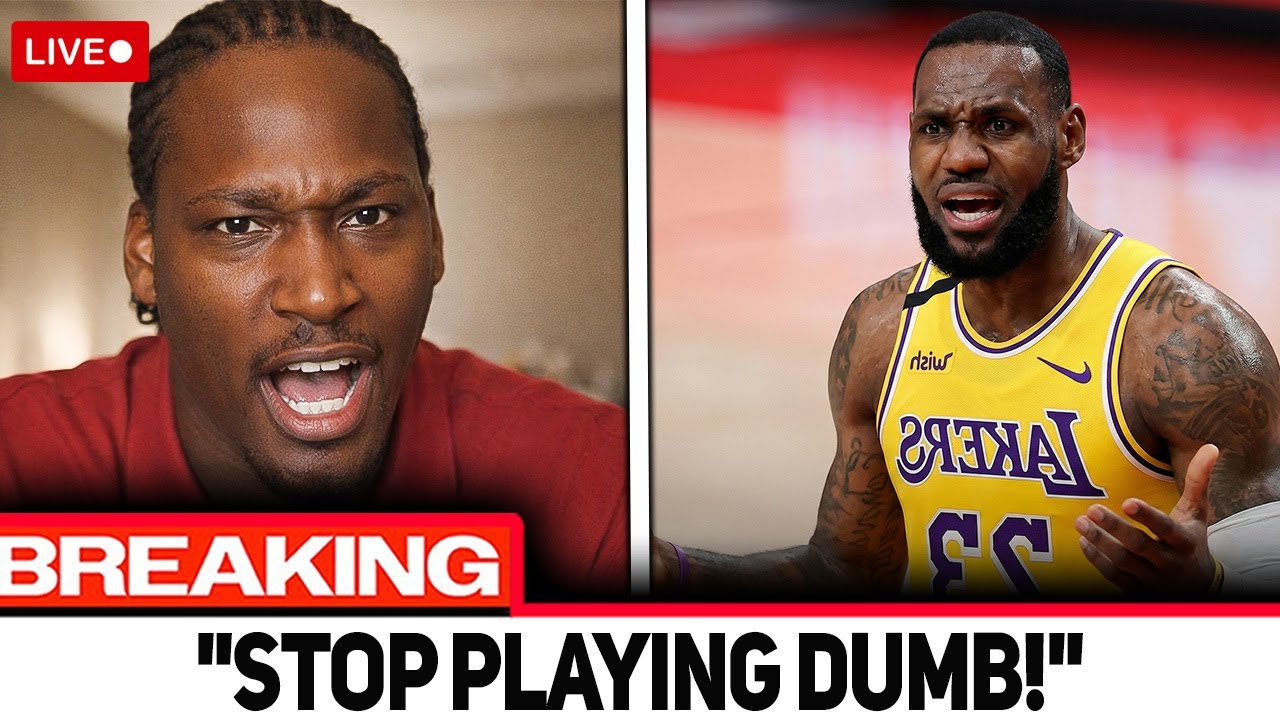
The controversy centers not on new allegations, but on a persistent pattern of whispers and the immediate silencing of any discussion. Brown meticulously highlighted instances where LeBron’s name has been linked to PEDs by figures within professional sports, questioning the frantic backpedaling that consistently follows.
He pointed directly to former NBA guard Jeff Teague, who recently made pointed comments on his podcast about LeBron’s physical transformation and dominance. Teague’s remarks ignited the internet, but within hours, he was in full retreat, claiming his statements were merely a joke. Brown questioned the urgency of that walkback.
“If it was only a joke, why the aggressive walk back?” Brown asked. “Why did it look like panic control instead of a simple clarification? Jokes don’t usually come with emergency cleanup missions.” This rapid retraction, Brown argued, is symptomatic of a larger, enforced silence surrounding the NBA’s biggest star.

The analysis delved deeper, recalling UFC fighter Chael Sonnen’s past claims of sharing a “drug guy” with LeBron James. Sonnen, an outsider to the NBA ecosystem, made the assertion publicly and never faced legal repercussions, a fact Brown noted as significant. He also referenced Hall of Famer Kevin Garnett’s infamous “new juice” joke from a televised interview.
Brown emphasized these are not isolated incidents but part of a recurring theme focusing on a specific era: LeBron’s initial tenure with the Miami Heat. The physical leap James made during that period—returning bigger, stronger, and more explosive—has been a focal point of private speculation among players for over a decade.
“We’re talking about someone who was already a genetic outlier and yet he levels up physically in his late 20s while playing one of the most punishing styles of basketball ever,” Brown stated, framing the observation not as proof, but as a notable anomaly that invited peer scrutiny.
The timeline of the NBA’s implementation of Human Growth Hormone (HGH) testing was presented as another circumstantial data point. Brown and others have noted that LeBron’s notably bulkier Miami physique evolved into a leaner frame around the time the league introduced more sophisticated testing protocols.
The core of Brown’s argument transcends guilt or innocence. His central thesis is an indictment of the sports media apparatus itself. He posits that LeBron James exists within a protective “bubble” where certain hypothetical questions are deemed completely off-limits, a privilege not extended to other all-time greats across sports.
“ESPN will argue LeBron versus Jordan forever,” Brown said. “But they will never ask one simple question. What if, hypothetically, LeBron James had used performance-enhancing substances? How would that impact his legacy? That conversation doesn’t exist.”
This protection, Brown contends, is economic. LeBron is not merely an athlete; he is a multi-billion dollar ecosystem involving networks, brands, and agencies. Questioning the foundation of his unprecedented longevity at age 40, he argues, threatens a vast financial network that profits from his untouchable legacy.
The frustration lies in the perceived double standard. While legends in baseball, cycling, and football are relentlessly scrutinized, any similar line of inquiry about LeBron is instantly dismissed as hate or blasphemy. Brown challenged the narrative that his physical longevity, funded by millions in private “science” and “treatment,” is above reproach.
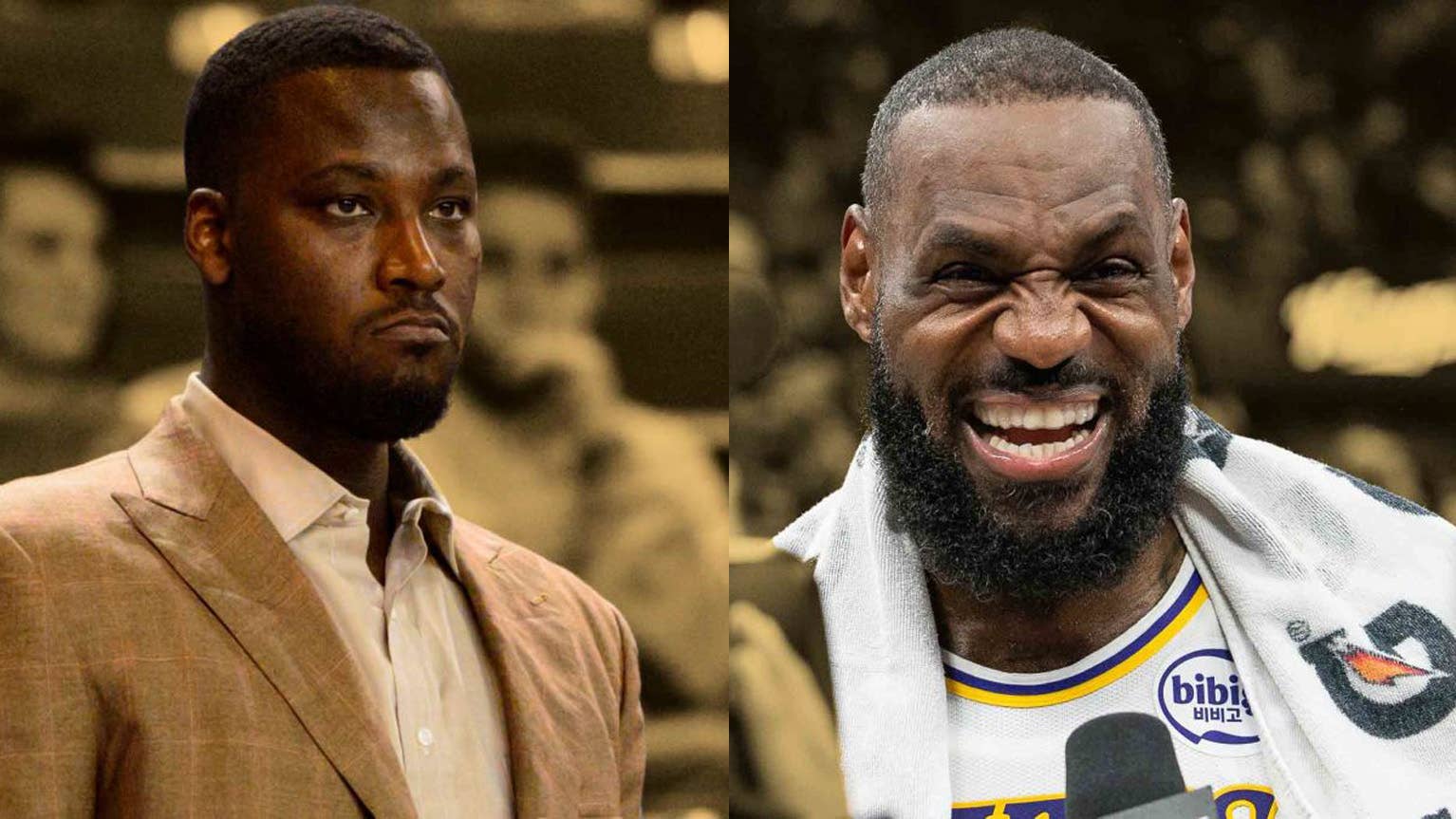
“If it’s all clean, legal, and repeatable, why isn’t it clearly laid out?” Brown questioned, echoing past comments from former player Rashad McCants. “Why isn’t there a public road map for longevity?”
Brown concluded by asserting that the refusal to entertain these questions is more damaging than the speculation itself. He framed the issue as one of historical accountability and media integrity, suggesting that when a topic is forcibly suppressed, it only fuels more suspicion.
“When a topic is truly ridiculous, it doesn’t need censorship, it dies on its own,” Brown stated. “And this one refuses to die.”
The segment has sparked fierce debate online, dividing fans who see it as a courageous confrontation of a taboo topic and those who view it as an unfounded attack on an athlete’s legacy. The immediate fallout remains to be seen, but Brown has successfully shifted the Overton window, forcing a public discussion the sports media complex has spent years meticulously avoiding.
The ultimate question raised is no longer about biochemist