A Florida man convicted of murdering a pregnant ex-girlfriend and an Orlando police lieutenant is now awaiting execution after years of legal battles and appeals. Markeith Loyd, 50, has exhausted his primary appeals in state court, moving him significantly closer to lethal injection for the 2017 killing of Lt. Debra Clayton.
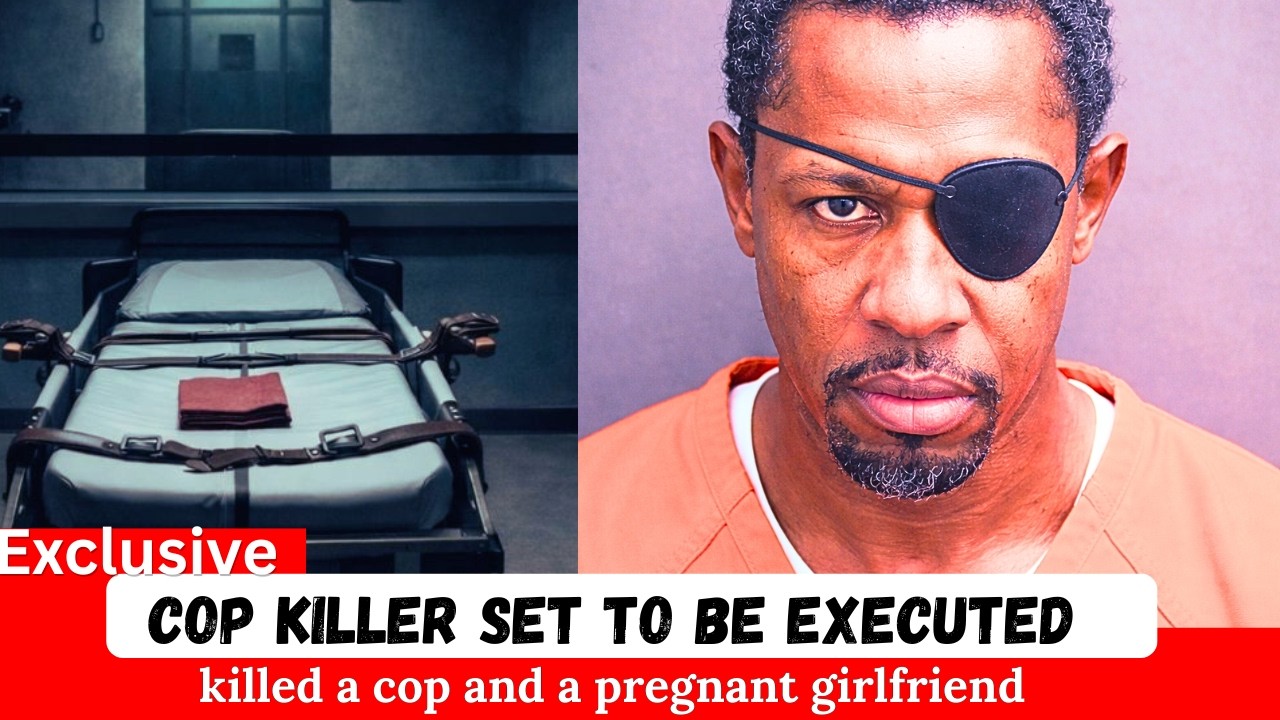
The Florida Supreme Court affirmed Loyd’s death sentence in November 2023, rejecting all 13 claims raised by his defense. This decision followed a 2022 sentencing where a judge formally imposed the death penalty for Clayton’s murder, a sentence unanimously recommended by the jury.
Loyd’s path to death row is marked by two brutal killings that terrorized Orlando over 36 days. The violence began on December 13, 2016, when Loyd shot his pregnant ex-girlfriend, Sade Dixon, eight times in her Pine Hills front yard. Dixon, 24, was three months pregnant. Her brother, Ronald Stewart, was shot three times while trying to intervene, but survived.
Twenty-seven days later, on January 9, 2017, Loyd was recognized by a shopper inside a Walmart on John Young Parkway. That shopper alerted Lt. Debra Clayton, a 17-year veteran known for her community work. Clayton confronted Loyd inside the store before he fled to the parking lot, where he opened fire.
Surveillance footage and evidence showed Clayton was struck four times. The fatal shot was delivered at close range to her neck as she lay wounded on the pavement. Loyd then carjacked a vehicle and escaped, triggering a massive manhunt that ended with his capture nine days later in an abandoned Carver Shores house.
Loyd was already a wanted fugitive for Dixon’s murder when he killed Clayton. His arrest was violent; he sustained injuries, including permanent blindness in one eye, after officers subdued him. Orlando Police Chief John Mina later revealed Loyd was arrested using Clayton’s own handcuffs.
The legal proceedings were fraught with controversy. Ninth Circuit State Attorney Aramis Ayala initially announced she would not seek the death penalty against Loyd in any case. Governor Rick Scott swiftly removed her from the prosecution, reassigning it to a special prosecutor who pursued capital punishment.

Loyd was tried separately for the two murders. In 2019, a jury found him guilty of murdering Dixon and her unborn child but recommended life imprisonment. In 2021, a second jury convicted him of Clayton’s murder and unanimously recommended death, a sentence formally imposed in 2022.
Throughout his trials, Loyd represented himself, offering a chaotic and often hostile defense. He claimed self-defense in both shootings, assertions the prosecution dismantled with physical evidence and his own actions, including a text message sent to Dixon minutes after shooting her that read, “Hope you don’t make it.”
The defense presented extensive mitigation evidence, detailing Loyd’s traumatic childhood in Orlando’s impoverished Pine Hills and Carver Shores neighborhoods. Witnesses described a home with no food or electricity, a neglectful mother, and a teenage kidnapping and beating that altered his psyche.
His family testified that a young Loyd stole food and clothes to care for his siblings. Defense experts argued he suffered from brain damage and psychosis. Prosecutors did not dispute his difficult upbringing but argued it did not excuse the cold, calculated nature of his crimes.
The case forced a painful public reckoning with questions of nature versus nurture, violence, and justice. Loyd’s childhood was one of profound deprivation and trauma, set against a backdrop of community violence. Yet his victims emerged from similar environments with compassion and a commitment to service.

Debra Clayton was a pillar of the community, working to build trust between police and marginalized neighborhoods. Sade Dixon was a young mother building a future for her two sons. Their families have endured years of court delays and political battles waiting for finality.
With the state appeals concluded, Loyd’s fate now rests with a pending petition to the U.S. Supreme Court, which has not indicated if it will hear the case. If it declines, the process for Governor Ron DeSantis to sign a death warrant can begin. No execution date is set.
For Clayton’s husband, Seth, and her son, Johnny, the affirmed sentence is a step toward justice but not closure. A stretch of road near the Walmart where she died now bears her name. For Dixon’s mother, Stephanie Dixon-Daniels, the life sentence in her daughter’s case brought a “sigh of relief” from endless appeals.
The question of what shaped Markeith Loyd remains unanswered by the courts. Was he a product of relentless trauma and systemic failure? Or did he make conscious, evil choices that he alone owns? As the state prepares to execute him, that debate continues, unresolved.
One man’s brutal actions left two families shattered, a police department in mourning, and a city grappling with the complex roots of violence. The legal process has reached its penultimate stage, but the human cost of those 36 days in Orlando endures, waiting for an execution that may still be years away.
Source: YouTube