Derrick Todd Lee, one of Louisiana’s most notorious serial killers, died from heart disease in a hospital in 2016, evading the lethal injection that his death sentence mandated. His brutal reign of terror from 1998 to 2003 left at least seven women murdered, instilling fear in Baton Rouge and Lafayette.

Lee’s chilling crimes exploited kindness; posing as a homeless man, he gained trust before unleashing violence in victims’ homes. Despite police initially hunting the wrong suspect profile—a white male—the breakthrough came when DNA analysis revealed his African ancestry, redirecting the investigation to Lee, a Baton Rouge native.
The horror began unraveling after Diane Alexander survived a brutal attack by Lee in 2002, the only escapee from his vicious spree. Her quick thinking and eyewitness account, alongside forensic DNA evidence and psychological profiling, finally gave authorities the edge needed to identify and capture Lee.

From stalking and voyeurism to cold-blooded murder, Lee’s history revealed a dangerous pattern. Despite an IQ of just 65, he demonstrated alarming cunning, changing his methods frequently to confound investigations and evade capture for years, leaving a trail of devastation among innocent women.
His victims—young women with bright futures—were brutally snatched in their homes with no signs of forced entry. Lee’s modus operandi was terrifyingly simple yet effective: he preyed on human empathy, knocking on doors asking for help before striking with lethal force and stealing cell phones to inhibit rescue calls.
The investigation into Lee’s crimes was marred by critical errors, including the FBI criminal profile mistake that fixated police on an imaginary white suspect, allowing Lee to continue unchecked for years. Only when DNA Print Genomics provided racial ancestry data did the case take a decisive turn.
Lee’s arrest in Atlanta led to grim revelations: he was linked to multiple murders, and even shared the Baton Rouge killer spotlight with another serial murderer complicating the trail of death. While the public learned of an urban myth involving a crying baby ruse, authorities dismissed it as unfounded, refocusing on hard evidence.
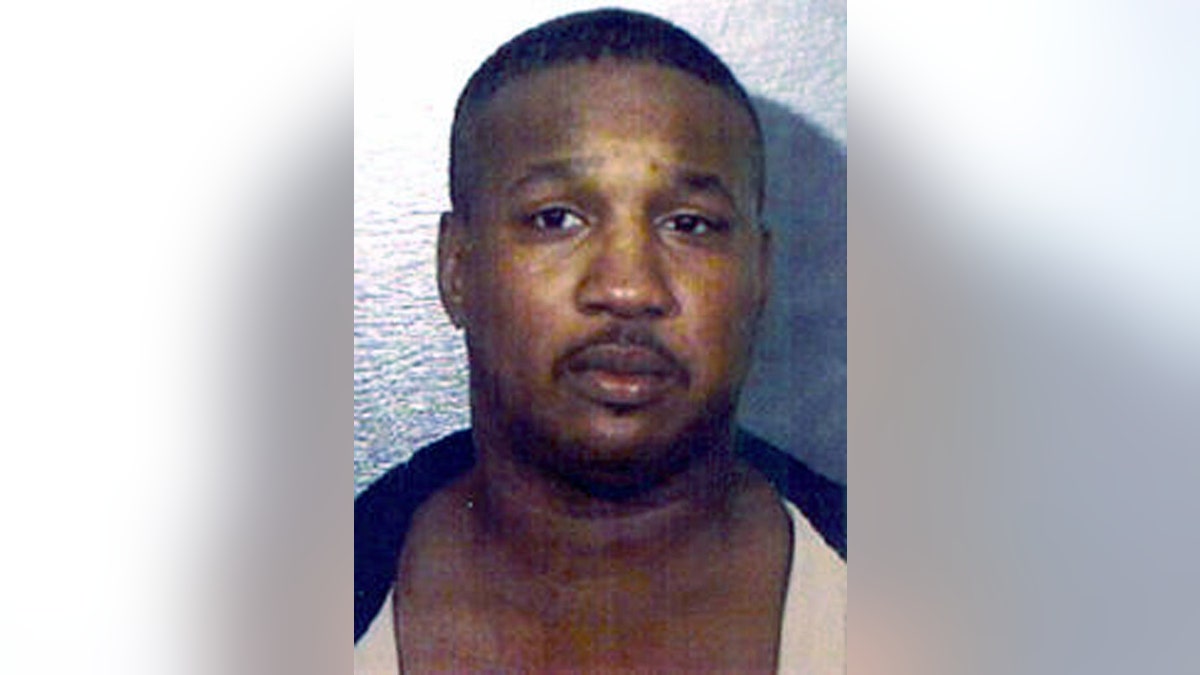
Trial proceedings raised controversy, as Lee’s intellectual disability complicated legal standards for competence. Nonetheless, the courts convicted him of multiple murders, including the notable cases of Gerilyn Dotto and Charlotte Murray Pace, sentencing him to life imprisonment and eventually death by lethal injection.
Lee’s final years were marked by failed appeals and prison containment at Angola. Yet, he died quietly from heart disease in 2016, never facing the execution table. His passing elicited diverse reactions—relief mingled with frustration—among victims’ families and the community still haunted by his crimes.
The legacy of Derrick Todd Lee reshaped investigative protocols, highlighting racial biases and the value of DNA technology in criminal cases. Survivor Diane Alexander emerged as a beacon of strength, advocating for victims and improved support systems, embodying resilience amid tragedy.

This dark chapter underscored persistent dangers lurking beneath community facades and the vital need for vigilant law enforcement. Lee’s story is a sobering reminder that justice can prevail even against the most elusive evil, though scars on victims’ families remain deep and permanent.
His death closed a terrifying saga, but his victims’ memories endure, fueling ongoing efforts to safeguard communities. The case continues to influence criminal justice and victim advocacy, signifying both the horrors of a calculated killer and the triumph of determined pursuit of truth.
As this story resurfaces, it challenges observers to reflect on law enforcement’s evolution and societal vigilance. The Derrick Todd Lee case teaches the world to recognize warning signs and biases that might obscure justice, ensuring future predators do not slip through the cracks.
The Baton Rouge serial killings remain a grim motif in American crime history—an urgent reminder of the darkness that can hide in plain sight and the heroic persistence needed to uncover it. The enduring resonance of this case calls for continued awareness and action against violent crime.