Arthur Gary Bishop, the notorious serial killer responsible for the abduction and murder of five young boys in Utah, was executed by lethal injection on June 10th, 1988. His final moments revealed chilling remorse, a refusal of last meals, and haunting last words that echoed the horror of his brutal crimes.
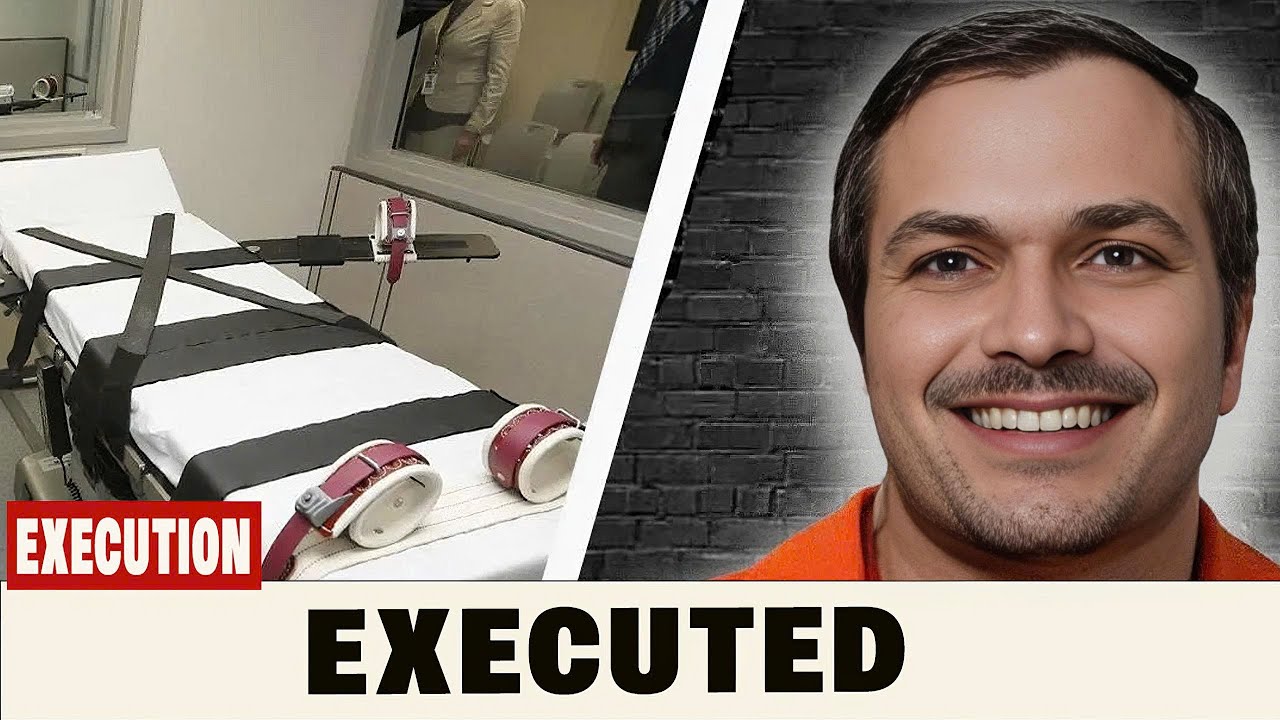
Salt Lake City, Utah, was gripped by terror from 1979 to 1983 as Bishop preyed on innocent children under the guise of kindness. His victims—Alonzo Daniels, Claude Kimley Peterson, Danny Davis, Troy Ward, and Graeme Cunningham—were lured by promises of candy, toys, or money, only to suffer horrifying fates.
Bishop’s descent into darkness stunned the community. Once an Eagle Scout and devout missionary, his transformation into a brutal predator shattered the illusion of safety in a close-knit society. He exploited trust and exploited vulnerable children, leaving behind shattered families and a devastated community.
On October 14th, 1979, four-year-old Alonzo Daniels vanished from a courtyard. Bishop’s sinister manipulation began as he coaxed Alonzo into his apartment with candy. When the boy resisted, Bishop’s panic turned deadly. He struck Alonzo with a hammer, drowned him, mutilated his body, and buried him where no one would find him.
Claude Kimley Peterson, an eleven-year-old roller skate enthusiast, met Bishop through a mutual acquaintance. In November 1980, Bishop lured the boy to Cedar Valley under false pretenses, fatally shooting him multiple times. The crime was gruesomely followed by desecration, exposing Bishop’s uncontrollable brutality.
Danny Davis’s abduction in 1981 sparked the largest search in Salt Lake County history. Despite desperate efforts, no trace was found until Bishop’s confession years later. The four-year-old was suffocated at Bishop’s home, then buried in Cedar Valley—all shrouded in chilling silence and community anguish.
On Troy Ward’s sixth birthday, June 22nd, 1983, Bishop struck again. Waiting for his mother to purchase ice cream, Troy was snatched and taken to Bishop’s cabin. Handcuffed and terrified, Troy was beaten to death with a rubber mallet and discarded in a mountain stream, adding to the string of unspeakable losses.

The last of Bishop’s known victims, thirteen-year-old Graeme Cunningham, disappeared in July 1983. Tempted by the promise of marijuana sales, Graeme was lured to Bishop’s house, where he suffered a violent end. Bishop’s act of hammering and drowning revealed a calculated cruelty that stunned investigators.
The investigation finally pointed to Bishop after Graeme’s disappearance. Living under the alias Roger DS, he lived near multiple victims’ abduction sites. Police discovered a horrifying collection of over 300 photos, many depicting child 𝓪𝓫𝓾𝓼𝓮. Bishop’s own confession to five murders and numerous incidents of molestation confirmed his nightmarish guilt.
Bishop’s trial began in early 1984, unveiling horrific details of the crimes. Prosecutors painted Bishop as a remorseless predator who exploited his past as a missionary and Eagle Scout as a deceptive front. The defense’s mental illness claims failed to sway the jury against overwhelming evidence of cold-blooded murders.
Convicted on all accounts, Bishop was sentenced to death. His request for lethal injection over the electric chair demonstrated a desire for swift, quiet closure. Yet, for the families of his five victims, no sentence could truly erase the depths of loss and trauma inflicted by his actions.
On the morning of June 10th, 1988, Bishop was led into the Utah State Prison execution chamber. He declined a last meal, requesting only cold water, stating, “I don’t deserve to eat.” This final act of renunciation reflected a dark acknowledgment of his deeds and a somber prelude to his death.
With chilling solemnity, Bishop offered his final words: “I am truly sorry. I pray for the victim’s families, and I hope they find peace.” These somber remarks were met with silence and tears from witnesses, a stark contrast to the horror his crimes had wrought on countless lives.
At 8:15 a.m., death was confirmed after the lethal injection subdued Bishop. The process was swift, clinical, and irrevocable. For many, it marked a grim conclusion to years of fear, anguish, and unanswered questions surrounding the disappearance and deaths of five innocent boys.
The execution reignited painful debates about justice, punishment, and the protection of society’s most vulnerable. Bishop’s story emerged as both a cautionary tale and a stark reminder of evil hidden behind familiar faces and trust built upon religious and communal bonds.
The legacy of Arthur Gary Bishop has endured long beyond his death. Memorials stand in Salt Lake City, honoring the memories of the lost boys and reminding communities to guard vigilance against unseen threats. The case prompted systemic reforms concerning child protection and witness support.
Bishop’s chilling admission that child pornography fueled his violent fantasies 𝓮𝔁𝓹𝓸𝓼𝓮𝓭 deeper questions about societal safeguards. It triggered legislative reforms targeting child exploitation and raised urgent calls for early detection and intervention against potential predators before tragedy unfolds.
Despite his execution, the pain for the families persists. The haunting void left by Alonzo, Claude, Danny, Troy, and Graeme cannot be filled by punishment alone. Their stories command society’s collective awareness to prevent future horrors lurking behind unsuspecting facades.
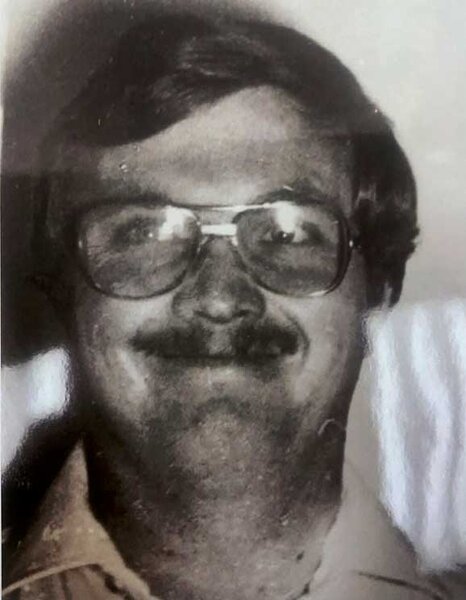
The Arthur Gary Bishop case remains one of Utah’s most harrowing chapters, a stark illustration of how evil can masquerade as virtue. It challenges communities to rethink trust, vigilance, and the complexity of human darkness masked by ordinary appearances.
Bishop’s trajectory—from a seemingly ideal youth to a monstrous predator—poses painful questions about human nature and societal responsibility. How did a once-promising man become a figure of destitute evil? The answers remain tangled in grief, fear, and the relentless quest for justice.
As the years pass, the impact of Bishop’s crimes continues to ripple through Salt Lake City. Ongoing education campaigns and support for victim families reflect a community’s attempt to heal and to stand resilient against the shadow of such incomprehensible violence.
Bishop’s execution closes a chapter but leaves unresolved questions about prevention and detection. Society is urged to critically examine its systems, to protect children and to recognize that evil can wear a mask of piety, friendship, and normalcy before revealing its true form.
The chilling tale of Arthur Gary Bishop demands vigilant remembrance and action. It is a grim reminder that the safety of children must be paramount and that we must all remain alert to the darkest dangers that can lurk in the shadows of everyday life.
Source: YouTube