Texas executed Arthur Lee Burton by lethal injection on August 7, 2024, at 6:47 PM, after 26 years on death row. The 54-year-old’s final moments were marked by an apology to the family of Nancy Adelman, whose brutal murder in 1997 led to this lengthy legal battle.
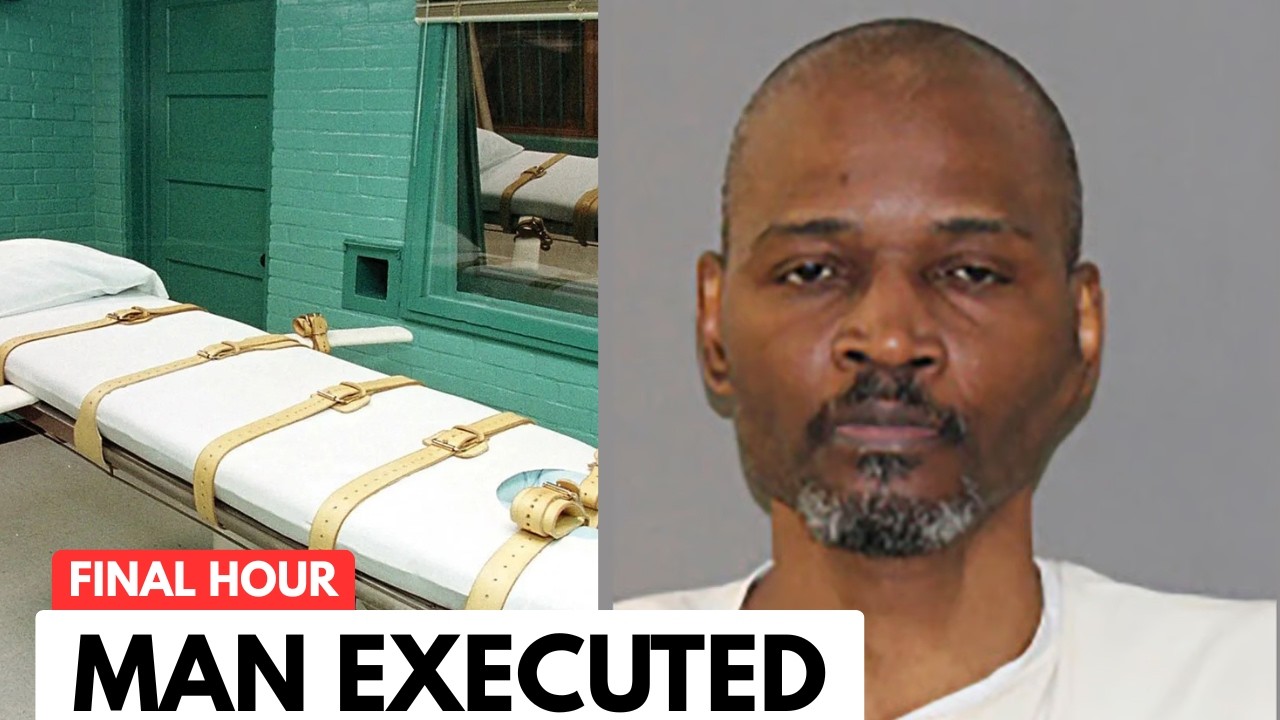 The somber atmosphere at the Huntsville State Penitentiary was palpable as witnesses gathered for Burton’s execution. Families, advocates, and officials filled the viewing area, separated from the execution chamber by a glass partition. The tension hung heavy in the air, a stark reminder of the case’s tragic history.
Burton’s journey through the justice system began on July 29, 1997, when Nancy Adelman, a 48-year-old mother of three, disappeared during her routine evening jog. Her body was discovered the next day, concealed in the brush along Braise Bayou, revealing signs of a violent struggle. The community was left reeling, desperate for answers.
As investigators pieced together the evidence, a witness reported seeing a man on a bicycle near Adelman’s home shortly before she vanished. This lead eventually pointed to Burton, who was arrested ten days after the murder. Initially, he denied involvement but later confessed, claiming he had acted in a moment of desperation.
 Burton’s confession, however, became a focal point of contention. His defense argued that it was coerced, obtained through physical 𝓪𝓫𝓾𝓼𝓮 during interrogation. This claim initiated a protracted legal battle that would span decades, with Burton’s appeals navigating through various courts, including the U.S. Supreme Court.
The case garnered significant media attention, transforming into one of Texas’s most documented capital cases. The prosecution presented compelling evidence, including Burton’s specific details about the crime scene, which they argued could only have come from the perpetrator. The jury ultimately found him guilty of capital murder in 1998.
In the years that followed, Burton’s defense team developed additional arguments, including claims of intellectual disability and racial bias in the application of the death penalty. Despite these efforts, the courts consistently upheld his conviction and sentence, culminating in the execution order.

On the day of his execution, Burton received no special last meal, a policy change made by Texas in 2011. Instead, he was served a standard prison meal, marking the finality of his fate. As the clock ticked closer to the scheduled execution time, emotions ran high among those present.
When asked for his last words, Burton expressed gratitude to those who had supported him and conveyed his sorrow to Adelman’s family. “I want you to know that I am sorry,” he said, a poignant acknowledgment of the pain that had rippled through the years since that fateful night in 1997.
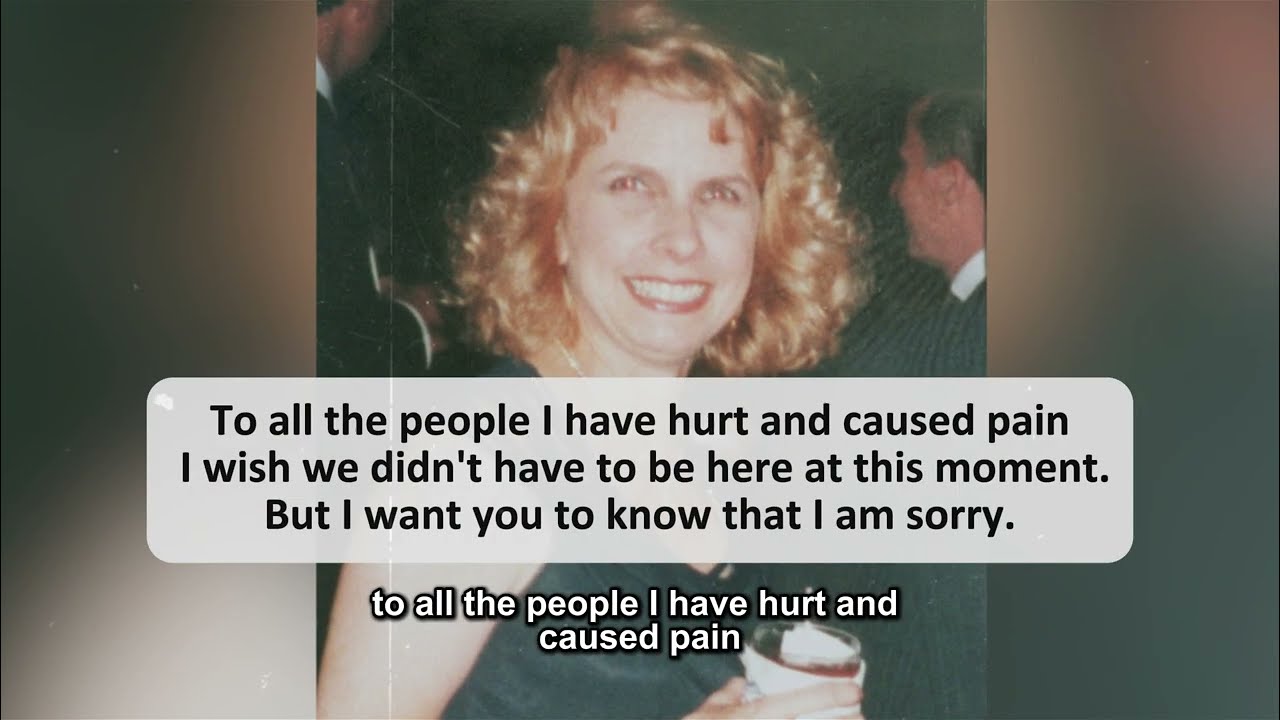 At 6:47 PM, the lethal injection was administered, and Burton was pronounced dead 24 minutes later. His execution marked a significant moment in a case that had lingered in the public consciousness for nearly three decades.
As news of the execution spread, reactions poured in from various quarters. Advocates for criminal justice reform lamented the handling of Burton’s case, emphasizing the importance of evaluating claims of intellectual disability. Supporters of the execution pointed to the thoroughness of the legal process that had led to this moment.
For Nancy Adelman’s family, the conclusion of this long legal battle brought a mix of relief and sorrow. They had waited nearly 30 years for justice, grappling with the loss of a beloved mother and the complexities of the legal system that followed.
Arthur Lee Burton’s execution stands as a stark reminder of the complexities and emotional weight of capital punishment in America. The case remains a crucial chapter in the ongoing dialogue about justice, mercy, and the human condition.