Controversial rapper Tekashi 6ix9ine faces a perilous future behind bars as his cooperation with federal authorities brands him a target within the prison system and the criminal underworld he once courted. The artist, whose real name is Daniel Hernandez, is awaiting sentencing after a stunning guilty plea to multiple felonies, a decision that may have saved him from a life sentence but has placed his personal safety in grave jeopardy.
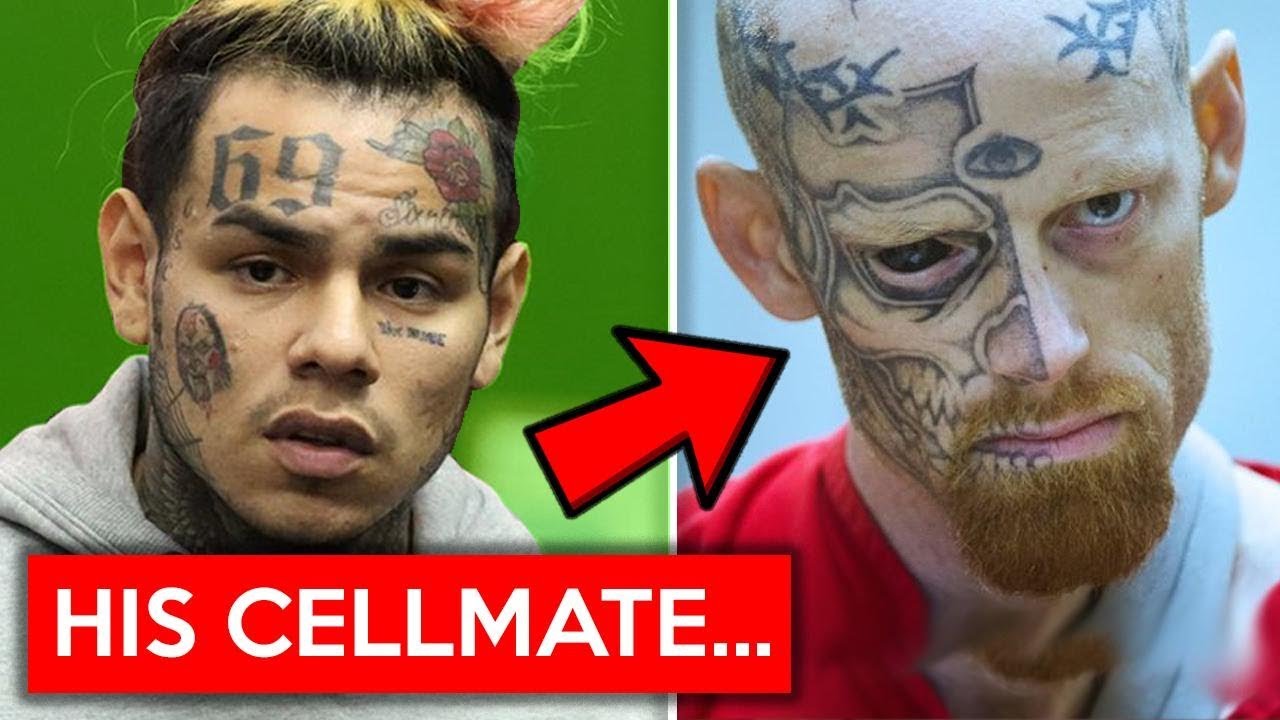
His legal troubles culminated in a sweeping racketeering indictment unsealed in late 2018. Federal prosecutors alleged Hernandez was a key member of the violent Nine Trey Gangsta Bloods, participating in a criminal enterprise involved in narcotics trafficking, armed robbery, and acts of violence to control territory across New York City. The charges included firearms offenses and conspiracy, with some counts carrying mandatory life sentences.
Facing overwhelming evidence, Hernandez reversed his initial not-guilty plea in February 2019, admitting to nine counts, including conspiracy to commit murder and armed robbery. The pivot was a strategic move to avoid decades in prison, but it came with a heavy price: full cooperation with the United States Attorney’s Office for the Southern District of New York. His testimony has been instrumental in the prosecutions of his former associates.

This cooperation has irrevocably marked Hernandez as a federal informant, a label that carries severe consequences in prison culture. The code of “snitches get stitches” is a foundational rule in gang life, and Hernandez’s detailed testimony against high-ranking Nine Trey members is viewed as the ultimate betrayal. His safety in the general population is considered untenable by legal experts and observers familiar with prison dynamics.
Reports indicate Hernandez has already experienced threats, prompting authorities to house him in segregated units away from the general population. This protective custody, while necessary, means a starkly isolated existence for the duration of his incarceration. His distinctive appearance, including rainbow-colored hair and extensive tattoos, also makes him highly recognizable and difficult to hide within the system.
The threats extend beyond the prison walls. Hernandez’s plea deal reportedly includes a provision for witness protection upon his release, underscoring the credible and long-term danger he faces from former allies and rival gang members seeking retribution. His life as a public figure is effectively over, necessitating a complete reinvention under a new identity.

His sentencing, now scheduled for December 2020, hangs in the balance. Prosecutors have filed a motion citing his “substantial assistance” and are expected to argue for a drastically reduced term, potentially time served. The final decision rests with Judge Paul A. Engelmayer, who must weigh the value of Hernandez’s cooperation against the seriousness of his crimes.
Legal analysts note the government has a vested interest in keeping its cooperator alive, both to uphold the integrity of its deal and to encourage future informants. This likely ensures Hernandez will remain under stringent protective measures for the foreseeable future, whether inside a correctional facility or within the confines of the witness security program.
The case underscores the brutal calculus of federal racketeering prosecutions, where defendants must choose between staggering sentences or a lifetime of looking over their shoulder. For Tekashi 6ix9ine, survival now depends not on his former notoriety, but on the anonymity and protection provided by the very government he once defied. His future, if he has one, will be lived in the shadows, a stark contrast to the hyper-public life he meticulously crafted. The court’s upcoming sentencing decision will determine whether he begins that cloistered life immediately or is forced to first run a gauntlet of prison time where a target is permanently fixed on his back.
Source: YouTube