In a chilling culmination of a notorious crime spree, Mikal Deen Mahdi, 42, was executed by firing squad on April 11, 2025, in South Carolina. His last meal, a hauntingly simple selection, preceded a brutal death that reignited fierce debates over capital punishment in the United States.

Mahdi’s violent legacy began in July 2004, when he unleashed terror across three states, leaving a trail of death and destruction. From a botched 𝒹𝓇𝓊𝑔 deal in Virginia to a convenience store murder in North Carolina, his actions shocked the nation, culminating in the brutal slaying of a police officer in South Carolina.
His execution marks a significant moment in the history of capital punishment, being only the second firing squad execution in South Carolina since 1976. Witnesses observed a gruesome scene as Mahdi, after being shot, convulsed and gasped for breath for nearly a minute before succumbing to his injuries.
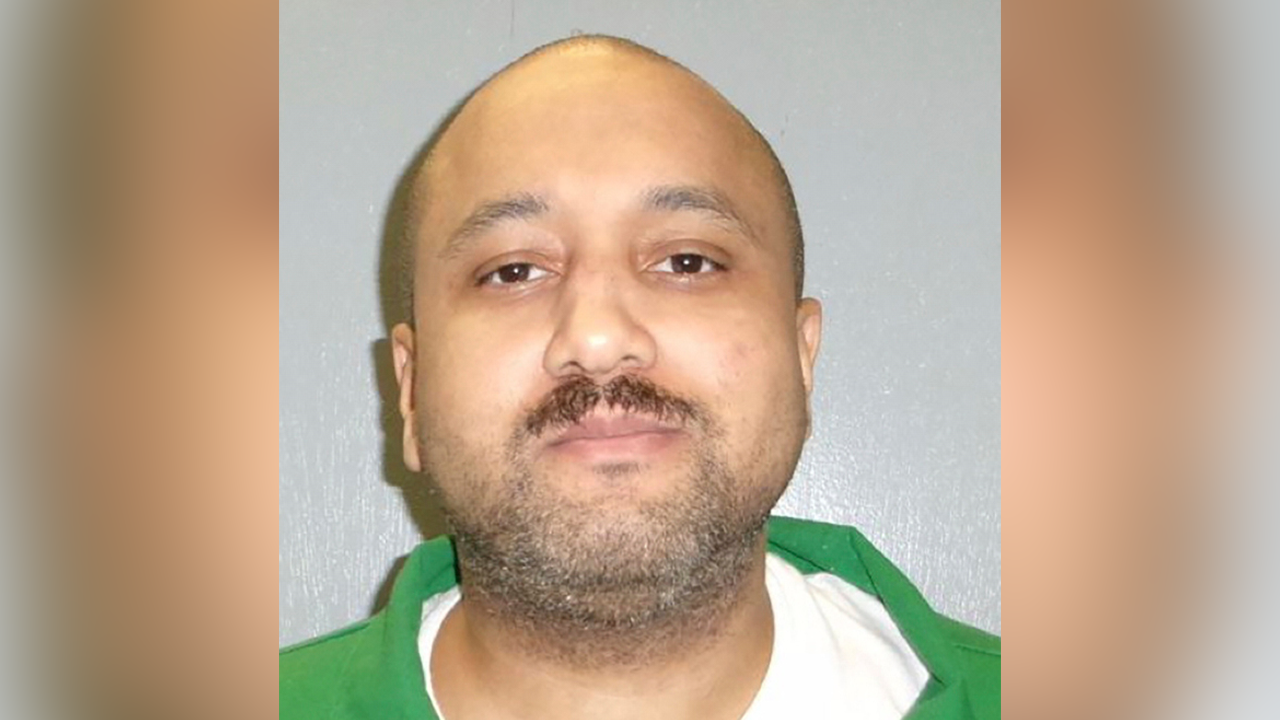
The choice of execution method reflected Mahdi’s cold calculation. He opted for the firing squad over lethal injection or the electric chair, fearing a prolonged death. His last meal—a medium-rare beef tenderloin, rice, and cheesecake—was a stark contrast to the violence he inflicted on his victims.
Despite his tragic childhood filled with neglect and instability, Mahdi’s heinous acts left deep scars on the families of his victims. The execution has reignited debates about the morality of capital punishment, with advocates questioning whether it serves justice or merely perpetuates a cycle of violence.
As the firing squad’s shots rang out, the haunting question lingered: how do we prevent another individual like Mahdi from emerging in the future? The case serves as a grim reminder of the consequences of unresolved trauma and societal neglect.