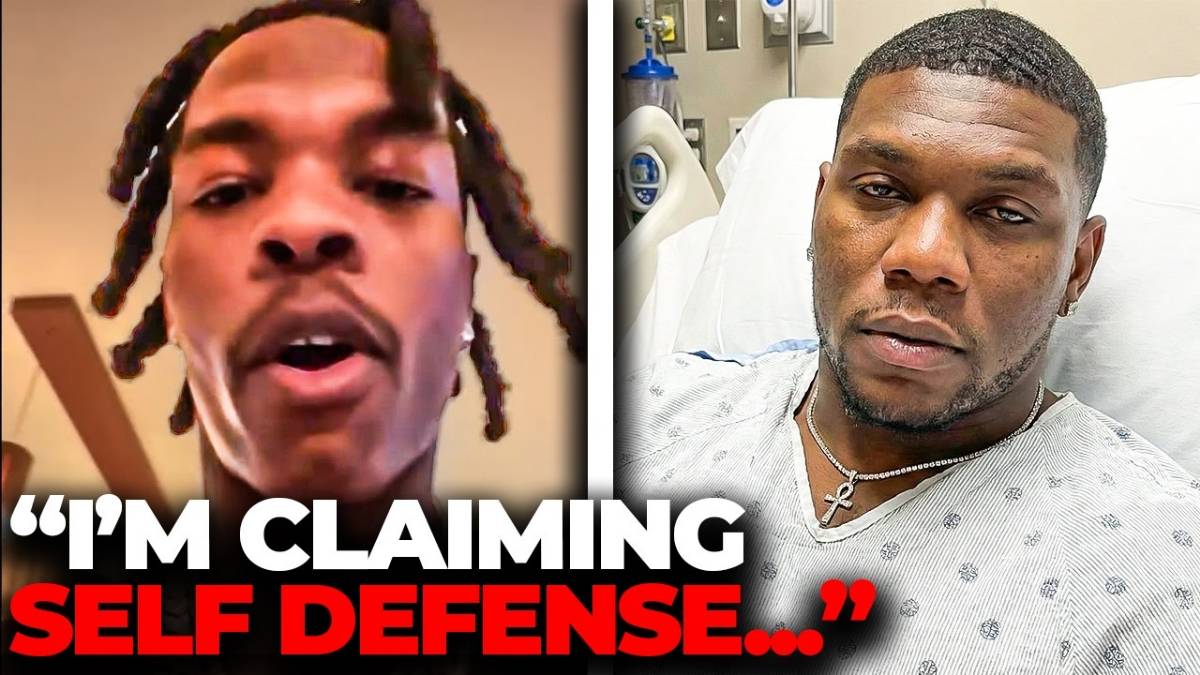
A violent altercation at an exclusive San Francisco nightclub has left an NFL star wounded and rap superstar Lil Baby facing the most serious legal jeopardy of his career. The early morning shooting of 49ers defensive end Keion White following a confrontation with the Atlanta-based rapper threatens to unravel both men’s worlds and has triggered a multi-agency investigation with potential federal implications.
 The incident occurred at approximately 4 a.m. on February 9, 2025, at the Dia Lounge on Mission Street. White was hosting a private Super Bowl celebration in the venue’s downstairs area, described by responding officers as a scene featuring topless entertainers and currency strewn across the floor. Lil Baby, who had performed in the city earlier that evening, arrived with his entourage and attempted to gain entry to the exclusive party.
Witnesses told police the argument escalated quickly. One individual left to find management, during which time gunfire erupted. Officers discovered White on the ground with a gunshot wound to his left ankle. The scene was one of chaos, with partygoers fleeing and evidence of multiple shots fired; police recovered shell casings from two different calibers of firearm.
In a critical detail from the police report, White was “uncooperative” when asked to identify his shooter, adhering to a code of silence that complicates the immediate investigation. His non-fatal injury, while serious, may not end his professional career, but the ramifications of the night are only beginning.
For Lil Baby, born Dominique Jones, the shooting represents a catastrophic escalation of existing legal peril. The Atlanta rapper has been under intense scrutiny for years, with Fulton County District Attorney Fani Willis having publicly announced a RICO investigation targeting his 4PF (Four Pockets Full) collective. Federal authorities are also deeply involved, building a case that allegedly connects his musical brand to criminal enterprise.
 A prior incident, where a music video filmed in a rival Atlanta neighborhood sparked a retaliatory shooting that killed two teenagers, forms a cornerstone of the alleged RICO predicate acts. Prosecutors argue his artistic expression directly incited violence, making him responsible for the resulting fatalities. Lil Baby’s recent rebranding to “Glass Window Records,” an attempt to signal transparency and legitimacy, now clashes violently with the fresh allegations.
The involvement of a high-profile NFL player transforms the case entirely. The National Football League, a multi-billion dollar institution, protects its assets aggressively. The San Francisco 49ers, who traded for White in October 2024, have a significant financial stake in his recovery and performance. This brings immense institutional pressure to bear on local authorities.
San Francisco Mayor Daniel Lurri has already commented, stating he has been in contact with both police and 49ers leadership. Furthermore, the interstate nature of the incident—involving a Georgia resident allegedly committing a violent act in California against a figure in interstate commerce—creates a clear pathway for federal jurisdiction and FBI involvement.
Lil Baby broke his silence in a carefully worded public statement, asserting his innocence and framing the narrative as a misunderstanding. “My team and I were invited to celebrate after my show,” the statement read. “The situation got out of hand due to miscommunication and overzealous security. I did not shoot anyone, and I am fully cooperating with authorities to clear my name.”

Legal analysts immediately questioned the strategy. Any public statement can be dissected by prosecutors and potentially used against him if evidence, such as surveillance footage or witness testimony, contradicts his account. His legal team likely advised silence, while his PR managers pushed for reputation management, placing him in a perilous position.
The potential charges are severe. At the state level, Lil Baby could face attempted murder, assault with a deadly weapon, and conspiracy. California’s sentencing guidelines for such crimes are notoriously strict. More daunting is the prospect of federal RICO indictment, which could consolidate the Atlanta investigation with the San Francisco shooting, painting a picture of a sprawling, violent criminal organization.
RICO charges carry mandatory minimum sentences and a conviction rate exceeding 90%. A conviction could mean decades, potentially life, in federal prison. Beyond criminal liability, civil lawsuits loom. Keion White could sue for tens of millions in lost wages, pain and suffering, and punitive damages. The 49ers organization could potentially seek restitution for their compromised investment.
 The entertainment industry’s reaction has been swift and cold. Several streaming playlists have quietly removed his music from prominent rotations. A major festival slated for summer 2025 dropped him from its lineup overnight. Corporate endorsements, a key revenue stream for modern artists, are being reevaluated by nervous brands.
This episode underscores the unsustainable conflict at the heart of many rap careers: the tension between authentic, street-oriented artistry and the realities of mainstream success and legal accountability. Lil Baby’s attempted pivot to businessman and philanthropist is now catastrophically undermined by an incident that perfectly fits the alleged pattern of behavior federal prosecutors have been documenting.
As the San Francisco Police Department and likely federal agents pore over evidence—including an abandoned cell phone found at the scene, security footage, and ballistic reports—the clock is ticking. The district attorney in Atlanta is watching closely, awaiting an opportunity to fold this new, violent episode into their existing racketeering case.
The fall from grace, if the allegations hold, would be among the most dramatic in recent music history. From chart-topping accolades and generational wealth to the brink of a life sentence, the trajectory serves as a grim cautionary tale. The streets, as the commentary often notes, show no loyalty, and the justice system shows little mercy to those it construes as criminal kingpins.
All parties now await the next move from prosecutors. For Keion White, the path is physical rehabilitation and a hoped-for return to the field. For Dominique “Lil Baby” Jones, the path forward is a legal labyrinth where every past lyric, association, and action will be weaponized against him in a fight for his freedom. The stakes could not possibly be higher.
Source: YouTube