Archaeologists have made a groundbreaking discovery believed to confirm the biblical account of Sodom and Gomorrah. Excavations at Tall El Hamam in the Jordan Valley have unveiled ruins and evidence of a catastrophic event that aligns astonishingly with the biblical narrative, raising profound questions about historical accuracy and divine judgment.

For centuries, the story of Sodom and Gomorrah has captivated believers and skeptics alike, lingering as a haunting mystery. The cities, said to be consumed by divine fire for their wickedness, have been the subject of countless debates regarding their existence and location. Now, after decades of searching, archaeologists may have found the key to this ancient enigma.
The excavation at Tall El Hamam has revealed a massive Bronze Age city, complete with impressive defensive walls and remnants of a thriving community. However, what truly shocked researchers was the evidence of a sudden and violent destruction that occurred around 1650 BC. This aligns eerily with the biblical timeline of Sodom’s downfall.
Unlike previous theories attributing the cities’ destruction to natural disasters, findings suggest an extraordinary event, possibly a high heat blast similar to a meteor explosion. Layers of ash and melted pottery point to temperatures beyond any known technology of the time, echoing the biblical account of fire raining down from heaven.
Among the ruins, archaeologists have uncovered human remains, tragically illustrating the catastrophic impact of this event. The scattered bones suggest victims were violently thrown by the force of the blast, frozen in time beneath layers of ash. This grim discovery serves as a chilling reminder of the human toll of divine judgment.
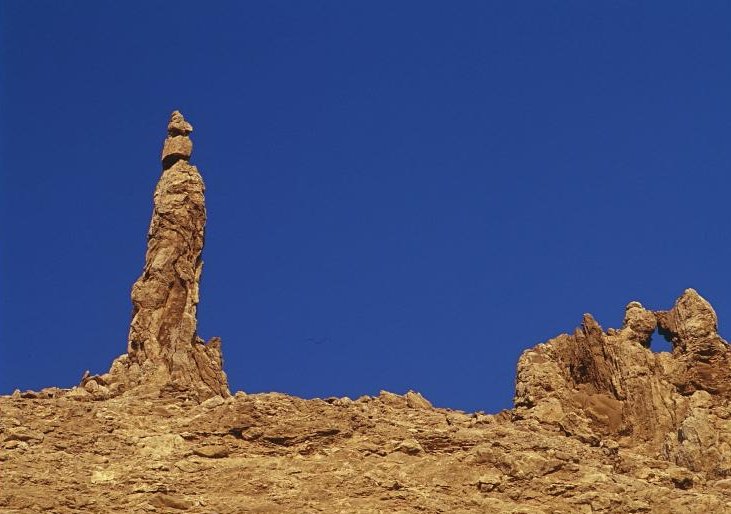
In addition to human remains, researchers found thick layers of salt in the soil, further corroborating the biblical narrative of the land becoming barren after the cities’ destruction. This salt, symbolically reminiscent of Lot’s wife, who was turned into a pillar of salt, reinforces the story’s themes of judgment and consequence.
If Tall El Hamam is indeed the site of ancient Sodom, this discovery transcends archaeology; it serves as a profound warning about the consequences of turning away from God. The ruins stand as a testament to the enduring truth of scripture, reminding us that divine justice is not to be taken lightly.

The Apostle Peter referred to Sodom and Gomorrah as examples for future generations, a stark reminder that God’s patience has limits. The archaeological evidence unearthed at Tall El Hamam reveals that the biblical story is not merely myth but a historical account with real consequences, urging us to reflect on our own lives.
As we consider this astonishing find, it becomes clear that the story of Sodom and Gomorrah resonates beyond ancient history. It serves as a wake-up call, urging us to heed the warnings of scripture and reflect on the moral choices we face today. The ruins whisper a message that remains relevant across the ages.
In conclusion, the discovery at Tall El Hamam is a pivotal moment for both archaeology and faith. It reinforces the idea that the biblical narrative is grounded in reality while serving as a solemn reminder of God’s justice. The story of Sodom is not just history; it is a call to repentance and a reminder of divine mercy.