A Florida judge has formally sentenced convicted murderer Markeith Loyd to death for the execution-style killing of Orlando Police Master Sergeant Debra Clayton, bringing a grim closure to a case that terrorized a community and claimed multiple lives. The sentence, handed down after a jury’s unanimous recommendation, follows Loyd’s earlier conviction and life sentence for the murder of his pregnant ex-girlfriend, Sade Dixon, and her unborn child.
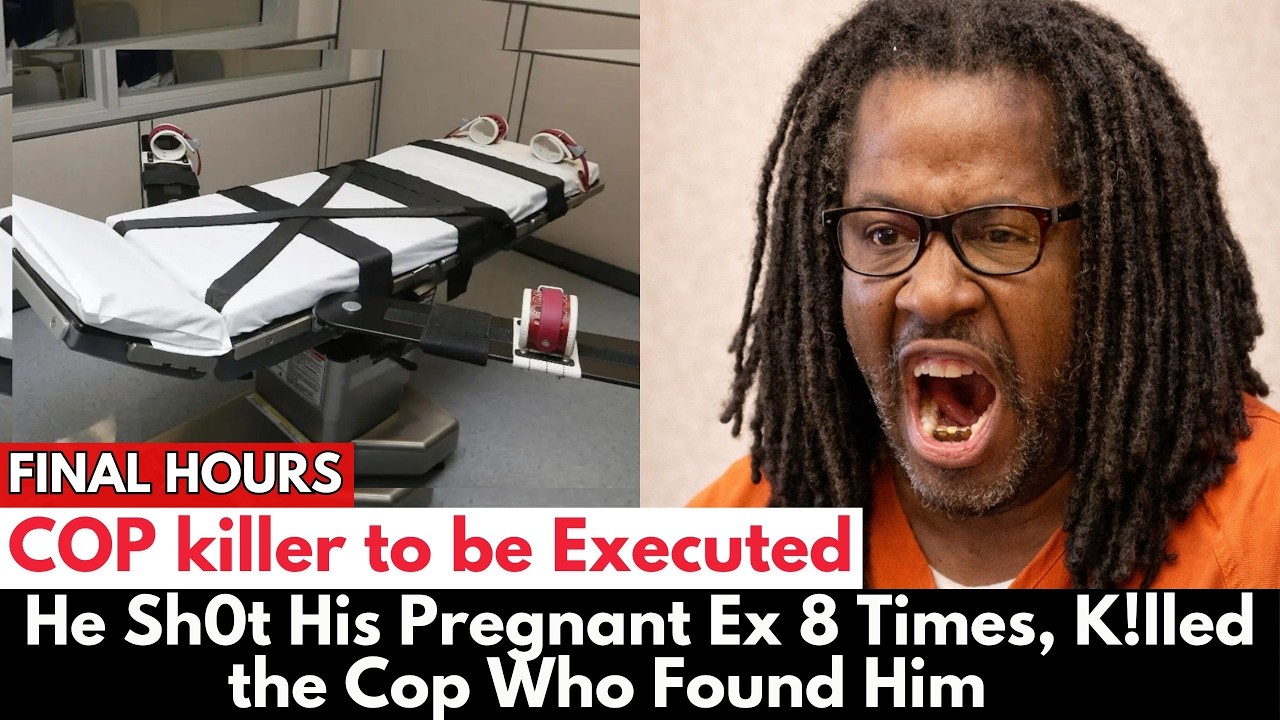
Loyd’s violent spree began on December 13, 2016, when he ambushed Dixon outside her family’s Pine Hills home. He shot the 24-year-old mother eight times, also wounding her brother before fleeing. For 27 days, Loyd evaded a massive manhunt, his face ubiquitous on wanted posters and news broadcasts across Central Florida. He remained armed and wore body armor continuously.
The search reached a devastating climax on January 9, 2017. A tip led Master Sergeant Debra Clayton to a Walmart, where she confronted Loyd. After a brief chase into the parking lot, Loyd opened fire, striking Clayton multiple times. Surveillance footage and evidence showed he stood over the fallen officer and fired a final, fatal shot into her neck before carjacking a vehicle and vanishing again.
Clayton’s death, on National Law Enforcement Appreciation Day, triggered an unprecedented mobilization. Hours later, Orange County Sheriff’s Deputy Norman Lewis was killed in a traffic collision while participating in the intensive search. The dual losses plunged the Orlando area, still grieving from the Pulse nightclub massacre, into profound mourning.
After 36 total days on the run, Loyd was captured on January 17, 2017, at an abandoned house in the Carver Shores neighborhood where he grew up. He emerged armed with two handguns, one fitted with a 100-round magazine, before surrendering. He was arrested using Clayton’s own handcuffs, a symbolic gesture by law enforcement. Helicopter footage showed officers using force during the arrest, which left Loyd with a lost eye.
His prosecution ignited a political firestorm when then-State Attorney Aramis Ayala announced she would not seek the death penalty. Governor Rick Scott swiftly removed her from the case, reassigning it to a prosecutor who would pursue capital punishment. The legal battle reached the Florida Supreme Court, which upheld the governor’s authority.
Loyd’s first trial, for the murder of Sade Dixon, concluded in 2019 with a guilty verdict. Despite the state seeking death, the jury recommended life in prison without parole after hearing extensive testimony about Loyd’s traumatic childhood marked by poverty, violence, and neglect. Dixon’s mother later expressed relief, stating the life sentence spared her family decades of appeals.
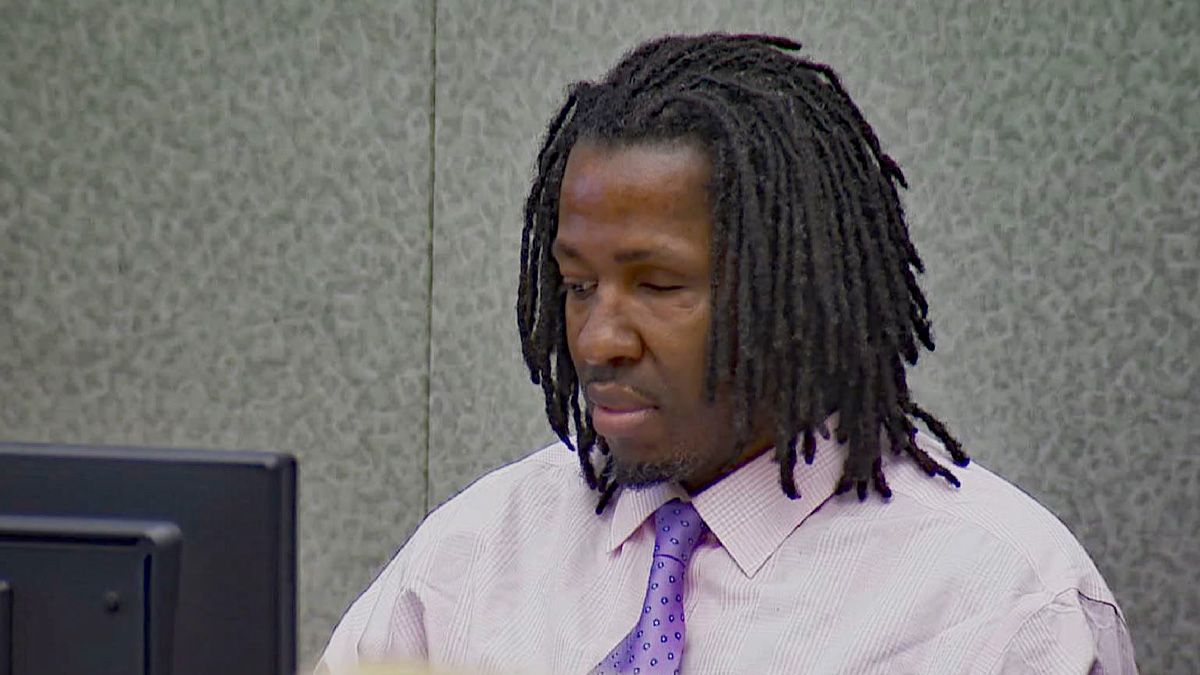
The separate trial for Clayton’s murder saw Loyd represent himself, offering a chaotic defense centered on claims of self-defense and insanity. Prosecutors presented damning surveillance video and his social media posts, which included statements about wanting to be on “America’s Most Wanted.” A jury rejected his arguments, convicting him on all counts in November 2021.

During the penalty phase, the state emphasized the calculated nature of killing a law enforcement officer. The defense again presented mitigation evidence of brain damage and psychosis. This jury, however, unanimously recommended death. Judge Leticia Marquez imposed that sentence in March 2022, stating the murder was “cold, calculated, and premeditated.”
The Florida Supreme Court unanimously upheld the conviction and death sentence in late 2023, rejecting all 13 appeal claims raised by Loyd’s attorneys. He now resides on Florida’s death row at Union Correctional Institution, simultaneously serving his life sentence for the Dixon murders. No execution date has been set, initiating what will likely be a lengthy appeals process.
For the families of Sade Dixon, Debra Clayton, and Norman Lewis, the legal verdicts provide a measure of justice but no respite from their grief. Clayton’s legacy endures through community programs she championed, aimed at bridging divides between police and the public. The case remains a stark testament to the cascading consequences of violence and the long, arduous pursuit of accountability.
Source: YouTube