John David Battaglia was executed on February 1, 2018, in Texas for the brutal murder of his two young daughters in a chilling case that shocked the nation. His cold demeanor and mocking final words underscored a horrific crime spanning years of domestic 𝓪𝓫𝓾𝓼𝓮 and tragedy. Justice was swiftly served after nearly 16 years on death row.

Battaglia’s story began with a troubled but stable military childhood, eventually leading to a career as a Marine sergeant and then a certified public accountant. He initially gained respect and admiration in Dallas but concealed a darker, violent nature beneath a façade of charm.
His first marriage to attorney Michelle Getty dissolved amid escalating 𝓪𝓫𝓾𝓼𝓮. Battaglia’s violence was undeniable, including a savage attack outside their daughter’s school that sent Michelle to the hospital. Even after pleading guilty to 𝒶𝓈𝓈𝒶𝓊𝓁𝓉 and undergoing probation, his pattern of brutal behavior persisted.
In 1986, Michelle filed for divorce, marking the start of public knowledge about Battaglia’s violent tendencies. By 1987, with a misdemeanor 𝒶𝓈𝓈𝒶𝓊𝓁𝓉 conviction, the warnings were clear, yet Battaglia continued to evade full accountability and entrenched himself in new relationships.
His second marriage to Mary Jean Pearl produced two daughters, Mary Faith and Liberty May. Despite severe 𝓪𝓫𝓾𝓼𝓮 inflicted on Mary Jean, Battaglia maintained a deceptive tenderness toward his daughters, claiming they were his “best friends” as a disturbing contrast to his domestic terror.
𝓪𝓫𝓾𝓼𝓮 escalated after Mary Jean sought separation in 1999. On Christmas Eve that year, Battaglia violently attacked her in front of all three girls, punching and kicking relentlessly. Her subsequent police report and his probation failed to deter his obsessive, menacing behavior.
By 2001, Battaglia’s harassment intensified with threats and jealousy, even questioning the paternity of his daughters. Mary Jean’s complaints led to a warrant for his arrest for probation violations, putting him on a dangerous precipice that would culminate in tragedy mere months later.
On May 2, 2001, during a custody visit, Battaglia picked up his daughters and took them to his Dallas apartment instead of a planned dinner. He forced Faith and Liberty to call their mother and then opened fire, ending their young lives with seven brutal shots.
The horrifying phone call from the apartment, where Mary Jean heard her children begging for their lives, became a devastating piece of evidence. Battaglia’s chilling final words before the shooting echoed a cruel “Merry Christmas,” mocking his violent history and the recent attack on Mary Jean.

Following the murders, Battaglia showed a 𝓈𝒽𝓸𝒸𝓀𝒾𝓃𝑔 lack of remorse. He went to a bar and then tattooed red roses symbolizing his daughters on his arm—a disturbing memorial to the lives he extinguished in cold blood.
Arrested shortly after at a nearby tattoo parlor, Battaglia physically resisted arrest, further exposing his volatile nature. Authorities found multiple firearms in his possession, including a fully loaded revolver, underscoring the premeditated and dangerous threat he posed.
His capital murder trial began in April 2002 in Dallas, where the prosecution presented overwhelming evidence of repeated domestic violence. Both of Battaglia’s ex-wives testified about his 𝓪𝓫𝓾𝓼𝓮, painting a grim portrait of his capacity for cruelty and control.
The jury was deeply affected by the evidence, especially the recorded screams of his daughters pleading during the fatal attack. After only 19 minutes of deliberation, Battaglia was found guilty of capital murder, a verdict reflecting the clear horror of his actions.
Defense attorneys attempted to argue mental illness, citing bipolar and narcissistic personality disorders as mitigating factors. However, the jury rejected these claims, sentencing him to death on April 30, 2002, emphasizing accountability over psychiatric explanation given the gravity of his crimes.

Battaglia’s appeals lasted years, stalling scheduled executions multiple times, including a last-minute stay in 2016 that questioned his mental competency. Ultimately, he exhausted all legal avenues, setting the stage for his final and inevitable execution in 2018.
His years on death row revealed disturbing behavior. Battaglia mocked his crimes and insisted the murdered daughters were not his biological children, reflecting deep denial and defiance that further horrified victims’ advocates and the public alike.
On the day of his execution, Battaglia ate a final meal of fried chicken, mashed potatoes, green beans, corn, and cornbread. Despite the impending punishment, he reportedly remained in “good spirits,” an unsettling calm before the ultimate justice was delivered.
The execution was delayed over three hours pending last-minute appeals to the U.S. Supreme Court, starting well after the original 6:00 p.m. schedule. When administered at 9:18 p.m., the letha
l injection proceeded with Battaglia showing no signs of suffering, dying 22 minutes later.
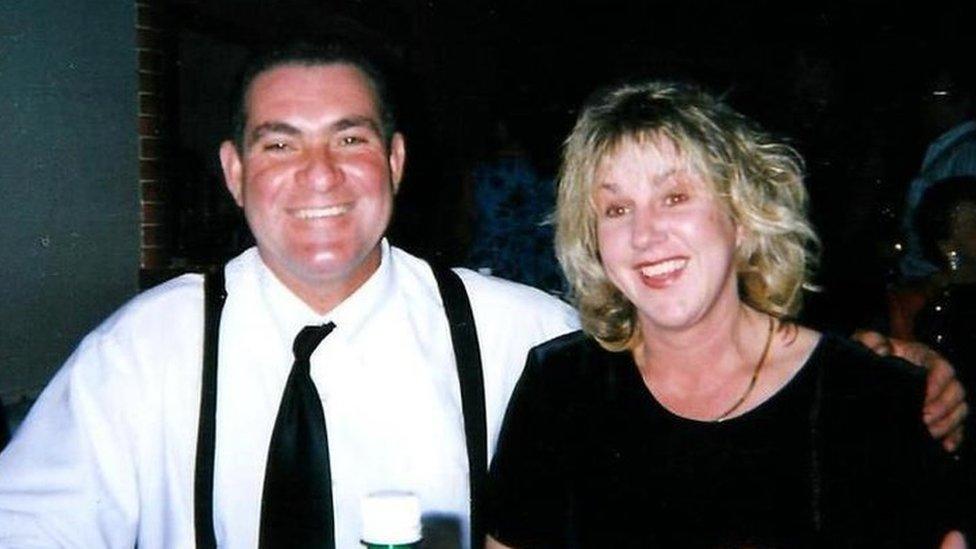
His final moments were marked by chilling remarks directed at his ex-wife Mary Jean, including a smirk and dismissive “Well, hi, Mary Jean. I’ll see y’all later.” His laugh and question after the injection, “Am I still alive?” unsettlingly highlighted his unrepentant nature.
Mary Jean Pearl, who witnessed his death, expressed relief and exhaustion, stating, “I’ve seen enough of him,” before leaving the viewing window. Her presence during the execution was a somber closure to a harrowing chapter in the lives Battaglia forever destroyed.
The case of John David Battaglia remains seared into public consciousness as an example of extreme domestic violence escalating into unfathomable tragedy. His execution closes a dark chapter but leaves lingering questions about mental health, justice, and the protection of vulnerable children.
Public opinion is divided. Some argue his bipolar diagnosis warranted different consideration; others insist no mental illness excuses killing one’s own children. The brutal final act and years of violence overwhelmingly tipped the scales toward justice for Faith and Liberty.
This story’s impact resonates beyond the courtroom, emphasizing the need for vigilance, support for 𝓪𝓫𝓾𝓼𝓮 victims, and the complexities of domestic violence. Battaglia’s horrifying crimes serve as a grim reminder of the heavy cost when warning signs go unheeded.
As Texas carried out its sentence, the brutal legacy of John David Battaglia underscores the urgent societal challenge to prevent such tragedies. Faith and Liberty’s voices, echoed in that heart-wrenching phone call, remain a stark call to action across the nation.
Source: YouTube