In a chilling culmination of a decades-long saga, Demetrius Frazier was executed by nitrogen hypoxia on February 6, 2025, at the Holman Correctional Facility in Alabama. Convicted of the brutal 1991 murder of Pauline Brown, Frazier’s execution marked a controversial moment in the state’s use of this untested method of capital punishment.
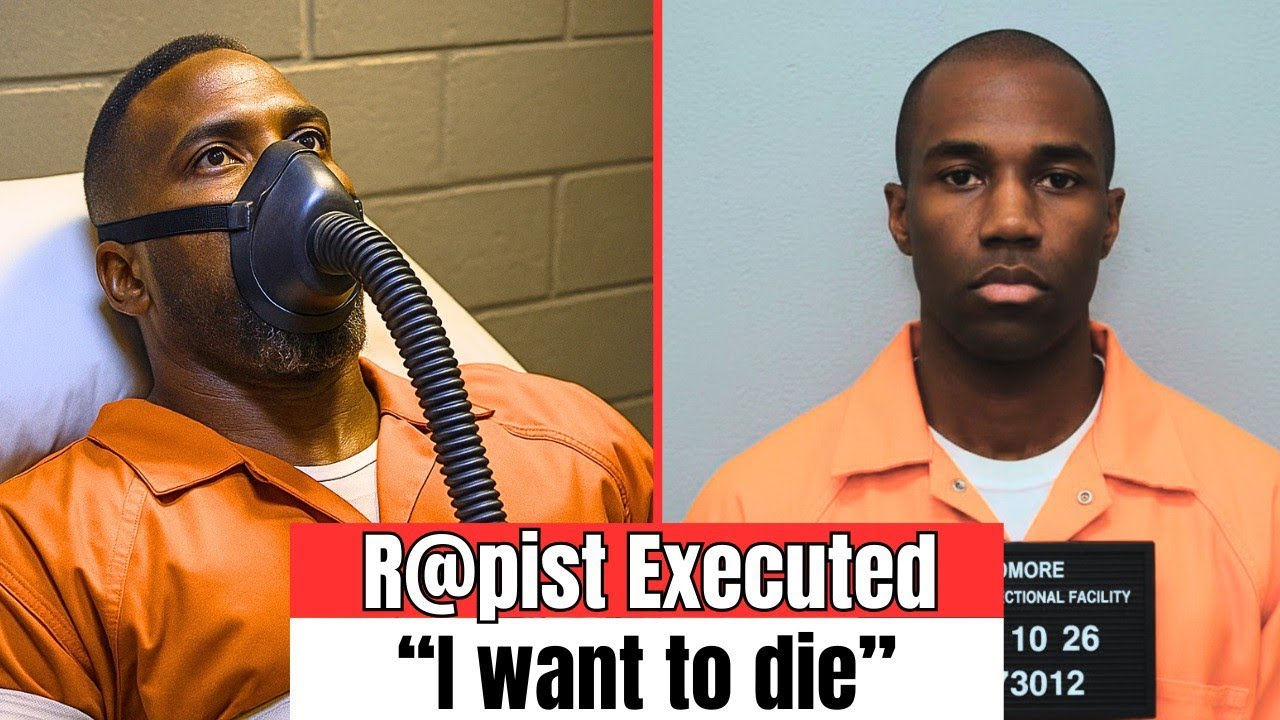 As the clock ticked down to the execution, Frazier spent his final hours in a small, fluorescent-lit holding area, surrounded by family and legal representatives. He declined the usual prison fare, opting instead for a last meal of Taco Bell—burritos, a chicken chalupa, crunchy tacos, chips and dip, and a Mountain Dew. The ordinary comfort of fast food contrasted sharply with the gravity of his situation.
Witnesses to the execution described the atmosphere as clinical and somber. The procedure, employing nitrogen hypoxia, drew international scrutiny due to its experimental nature. As the gas flowed, monitoring equipment revealed Frazier’s heartbeat fading, and he was pronounced dead at 6:36 p.m. The method, while legal, raised questions about its ethics and efficacy, with critics arguing it risks conscious suffering.
 Frazier’s journey to this moment began with a horrific crime that shattered a family. On that fateful night in November 1991, he broke into the home of Pauline Brown, a 40-year-old mother, and brutally murdered her after a robbery. The crime left behind two grieving daughters and a community in shock.
Years later, after serving life sentences in Michigan for other crimes, Alabama sought to enforce the death penalty for the murder of Brown. This led to a protracted legal battle spanning decades, filled with appeals and challenges that ultimately failed to save him.
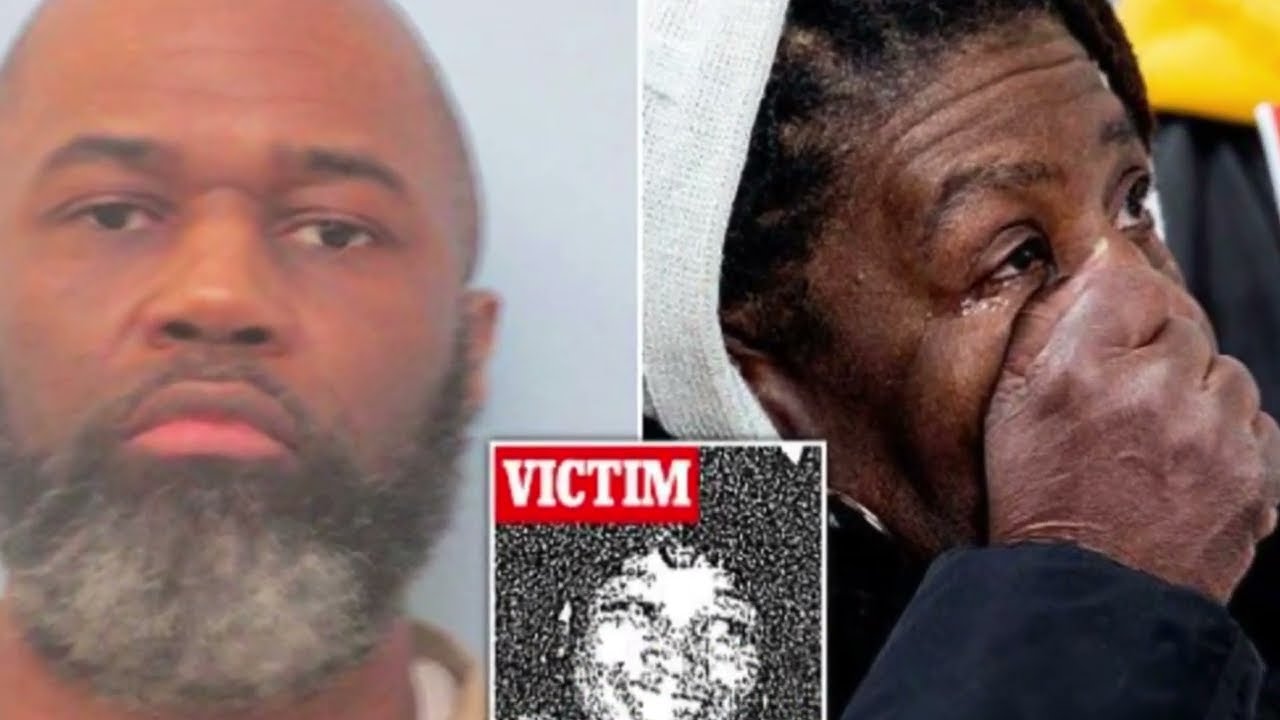
In his final moments, Frazier addressed witnesses, offering an apology to Brown’s family while expressing frustration at Michigan’s governor for not intervening. His last words, “Let’s go,” encapsulated a mix of resignation and defiance, echoing in the stark chamber as the execution began.
 Outside the prison walls, reactions were sharply divided. Supporters of the death penalty hailed the execution as justice served for a brutal crime, while opponents lamented the moral implications of transferring a prisoner from a non-death penalty state to face execution.
Frazier’s case has reignited debates about the use of nitrogen hypoxia and the ethics of capital punishment in America. As Alabama moved forward with this execution, the shadows of past injustices loomed large, leaving many to ponder the complexities of a justice system that can take decades to deliver finality.
This execution marks a pivotal moment in the ongoing discourse surrounding the death penalty, highlighting the tension between justice for victims and the moral dilemmas posed by state-sanctioned death. The story of Demetrius Frazier, a man shaped by violence and a fractured past, now closes with questions that linger in the air long after the gas has dissipated.