Susan Margaret Basso was executed by lethal injection in Texas on February 5th, 2014, becoming only the 14th woman in the United States executed since 1976. Her death ended a 14-year wait on death row following the brutal murder and torture of Lewis Buddy Muso, a vulnerable man she had deceitfully ensnared.

Basso’s execution marked a grim chapter in Texas justice. With no last words beyond a simple “No, sir,” she quietly accepted her fate. As the lethal injection coursed through her veins, her breathing slowed to silence, closing a dark saga that shocked the nation with its cruelty and calculated evil.
The chilling story behind Basso’s sentence began with Buddy Muso, a 59-year-old man from New Jersey with developmental disabilities. Known for his kindness and innocence, Buddy was lured by Basso’s manipulations into a deadly trap disguised as love—a facade that quickly devolved into horrific 𝓪𝓫𝓾𝓼𝓮 and ultimately, murder.
Raised in a troubled New York family, Basso bore the scars of a violent, abusive childhood. These scars manifested in a path of deceit, manipulation, and brutality. After moving to Texas, she crafted a new identity and engaged in a twisted relationship with Muso, exploiting his trust and disability for financial gain.
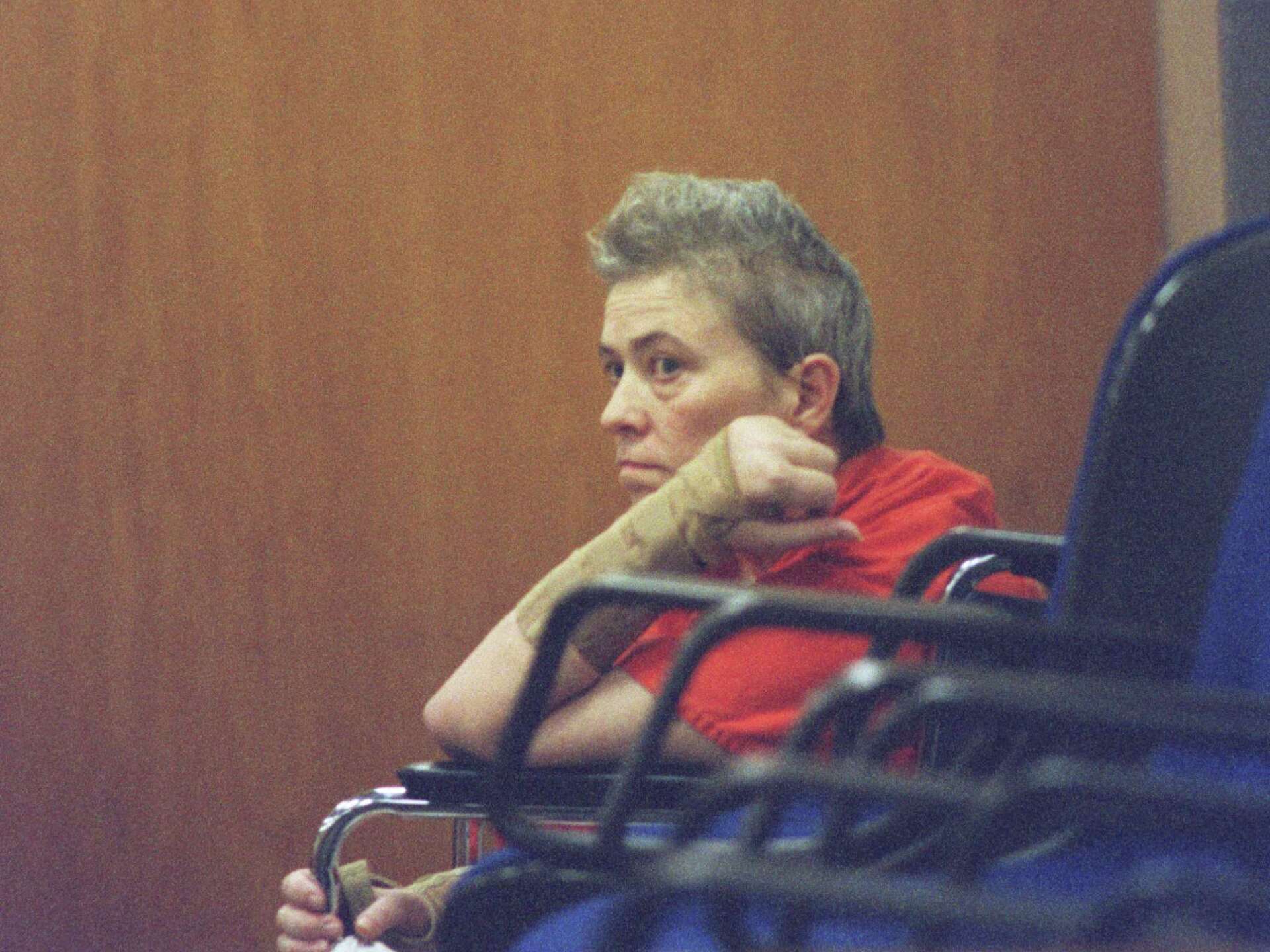
Musos’s dreams of love and companionship turned to nightmares. Over weeks, he was subjected to relentless physical and psychological torture carried out by Basso, her son, and a network of accomplices. Bruises, burns, broken bones, and profound humiliation were marks of their merciless campaign.
Basso’s greed was coldly calculated. She secured life insurance policies naming herself the sole beneficiary and orchestrated a forged will. Muso’s death promised financial gain, a motive as chilling as the violence inflicted. His body, riddled with injuries, was dumped on a roadside—his murder meticulously concealed.
Despite warnings from concerned friends and failed intervention attempts, the authorities acted too late. Buddy’s tortured body revealed the truth: he was a victim of prolonged, sadistic 𝓪𝓫𝓾𝓼𝓮. The investigation uncovered a web of deception involving family and friends, all implicated in this heinous crime.

The legal battle was arduous. Basso maintained innocence amid mounting evidence and graphic confessions from her son and others. Yet, the jury was uncompromising. Convicted of capital murder in 1999, she faced a death sentence that reflected the severity of her crimes and the vulnerability of her victim.
During her years on death row, Basso’s appeals failed. Her mental fitness was questioned but ultimately dismissed. She spent 14 years confined in the Mountain View Unit, a place of isolation and legal struggles, until the final decision sealed her fate. Her execution was swift and final, devoid of fanfare.
This case highlights a grave societal failure: the protection of vulnerable individuals. Buddy Muso’s tragic end was preventable, yet oversight and bureaucracy allowed the 𝓪𝓫𝓾𝓼𝓮 to flourish unseen. His story remains a powerful reminder of the dangers faced by those with disabilities in a world of predators like Basso.
The accomplices faced varying sentences, from life imprisonment to decades behind bars. However, none of their punishments could undo Buddy’s suffering or restore his stolen dignity. His memory endures as a somber call for vigilance and compassion toward vulnerable populations prone to exploitation.
Basso’s execution underscores how female perpetrators are rare but capable of unspeakable violence. Society’s assumptions about gender and crime often blind us to such brutal realities. Her case dismantles myths, exposing how evil can manifest regardless of gender, wielded with cold precision and calculated cruelty.
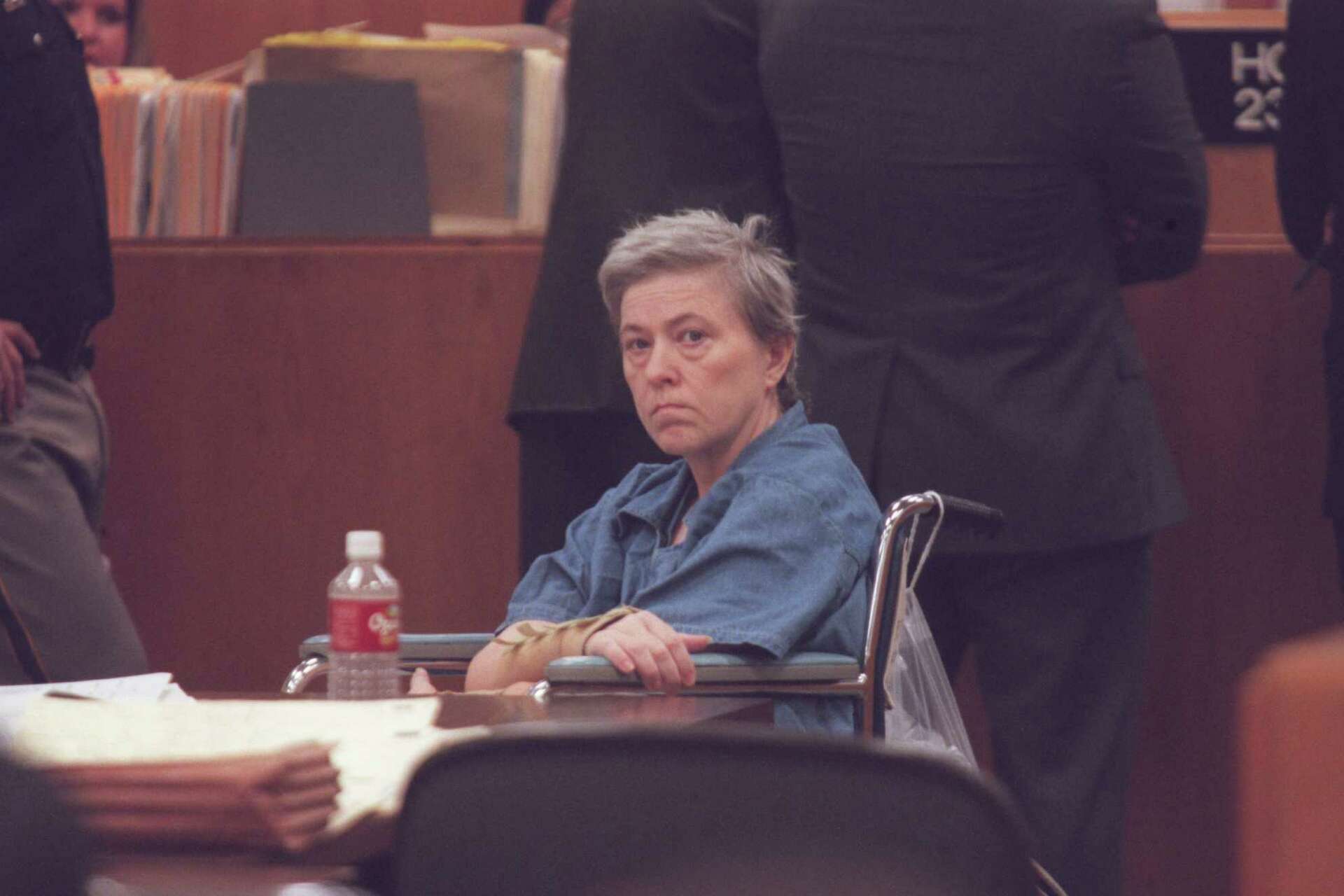
The final chapter closed quietly in Huntsville, Texas. Basso’s refusal of a special last meal and her faint smile before execution contrasted starkly with the violent life she led. Her silent exit froze a moment steeped in justice but shadowed by the irreversible harm she caused.
Buddy Muso’s story will not be forgotten. His life, marked by hope and heartbreak, serves as a stark warning. Monsters do not always lurk in the dark; sometimes they wear familiar faces, smile, and offer promises of love before delivering unimaginable horrors.
As Texas carries out its capital punishment responsibilities, cases like Basso’s remind us of the complexities and human tragedies behind every execution. Justice here was served, but the scars left behind call for greater awareness and systemic reforms to protect society’s most vulnerable.
The echoes of this case resonate beyond the courtroom. It challenges communities to confront uncomfortable truths about 𝓪𝓫𝓾𝓼𝓮, manipulation, and the capacity for evil concealed behind seemingly ordinary lives. Buddy Muso’s fate implores a reassessment of how we safeguard those who cannot protect themselves.
Source: YouTube