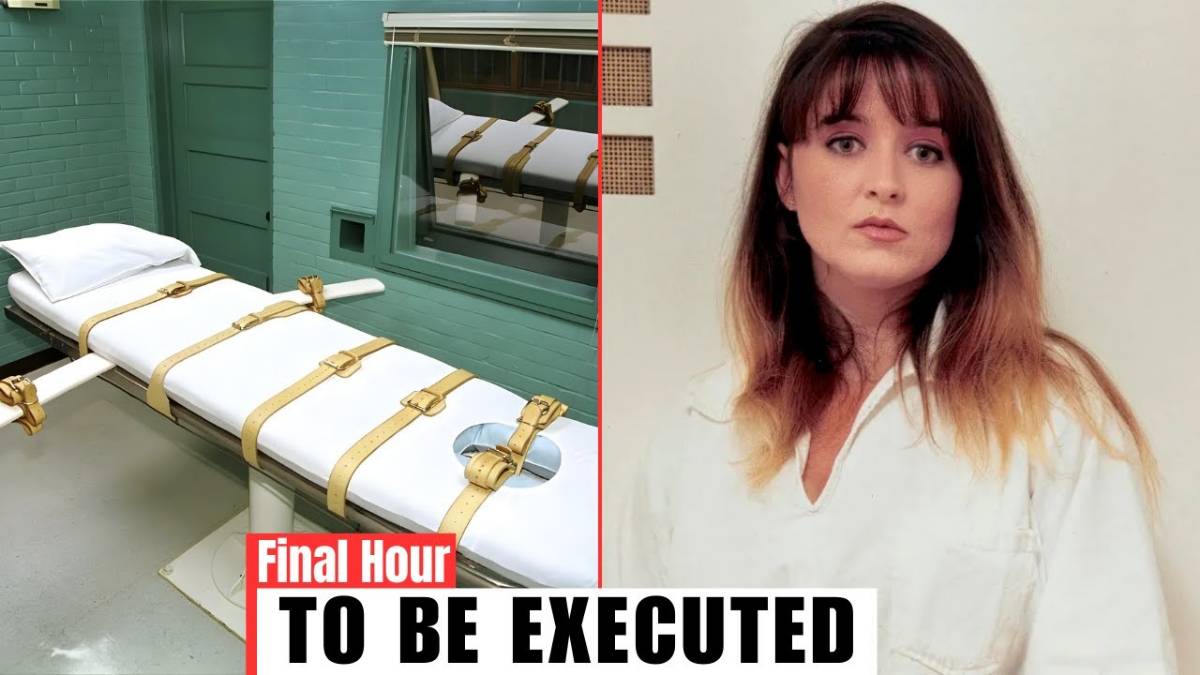
A Texas mother sits on death row for the murder of her two sons, her fate now hinging on long-delayed DNA testing that could finally answer questions haunting this case for nearly three decades. Darlie Routier, 55, has spent 29 years in the Patrick O’Daniel Unit in Gatesville awaiting execution, maintaining she was attacked by an intruder who killed her children in 1996.
 On June 6, 1996, police in Rowlett, Texas, responded to a frantic 911 call from Routier. Officers found a scene of horrific violence inside the family’s suburban home. Devon, 6, and Damon, 5, lay stabbed to death on the family room floor.
Their mother, Darlie, was found with severe slash wounds to her throat and arms. She told investigators a masked man had attacked them before fleeing through the garage. A cut window screen seemed to support her story of a home invasion.
Within hours, however, detectives began to doubt her account. Crime scene consultant James Cron testified he believed Routier was guilty within twenty minutes of arriving. Evidence suggested staging, including blood spatter patterns and a lack of disturbance outside the alleged escape route.
The prosecution built a circumstantial case centered on financial stress, odd behavior, and a now-infamous video. Eight days after the murders, news cameras filmed Routier at her sons’ graves for a birthday memorial, smiling and spraying silly string.
That thirty-second clip was played repeatedly for the jury. They never saw footage, captured by police surveillance, of a solemn prayer service held at the gravesite just before the celebration. This omission remains a pivotal controversy.

At her 1997 trial, prosecutors painted Routier as a vain, materialistic woman strained by debt and motherhood. Blood spatter expert Tom Bevel testified patterns on her nightshirt indicated she had wielded the knife over her head.
The defense highlighted a near-fatal neck wound within two millimeters of her carotid artery, arguing it was too dangerous to be self-inflicted. They questioned the motive, noting a surviving infant son and minimal life insurance on the victims.
After eight hours of deliberation, during which jurors watched the silly string video multiple times, they returned a guilty verdict. Darlie Routier was sentenced to death by lethal injection on February 4, 1997.
Appeals have focused on significant errors in the trial transcript and unresolved physical evidence. Unidentified fingerprints were found at the scene, including one on the cut window sill. A bloody sock discovered in an alley seventy-five yards away contained only the boys’ blood.

The timeline itself poses questions. Medical evidence suggests Damon would have died within minutes of his injuries. The sequence required for Routier to commit the murders, stage the scene, plant the sock, injure herself, and call 911 seems implausibly short to many observers.
In 2008, a court ordered advanced DNA testing on key evidence, including the sock and the murder weapon. The process has been mired in delays. Prosecutors discovered in 2017 that evidence slated for testing had sat untouched in storage for years.
A judge ordered new testing on the sock in February 2024. As of early 2026, those results remain pending. Routier has refused a state offer of a life sentence in exchange for a confession, steadfastly proclaiming her innocence.
One juror, Charles Sanford, later stated in an affidavit that seeing the full gravesite footage might have changed his vote. He believed the jury saw a distorted picture of the family’s grief.

Routier’s ex-husband, Darin, who divorced her in 2011, remains a supporter. Her mother, Darlie Kee, visits regularly, advocating for her daughter’s release. Routier’s surviving son, Drake, was seven months old at the time of the attacks. He is now 30, having known his mother only through prison glass.
The case continues to generate legal motions and public debate. A recent lawsuit by a true crime blogger seeks access to original trial evidence, underscoring the enduring fascination and doubt surrounding the conviction.
This case forces a reckoning with how society judges maternal grief, the power of media narratives, and the fallibility of circumstantial evidence. With an execution date possible once appeals are exhausted, the clock is ticking for science to provide definitive answers.
For nearly three decades, the question has persisted: Was this a monstrous act of filicide or a catastrophic failure of justice? The truth may yet lie in untested DNA, in a bloody sock, and in a mother’s unwavering claims from behind prison walls. The wait for a final answer continues.
Source: YouTube