A federal indictment is imminent in the armed robbery case targeting rapper Pooh Shiesty, placing his label boss, Gucci Mane, in an impossible position that threatens to unravel three decades of carefully crafted reputation. Sources confirm the formal indictment, naming nine defendants on a conspiracy charge, will be filed within 48 hours. At the center is Radric “Gucci Mane” Davis, the victim turned pivotal witness, whose upcoming decisions will define his legacy.
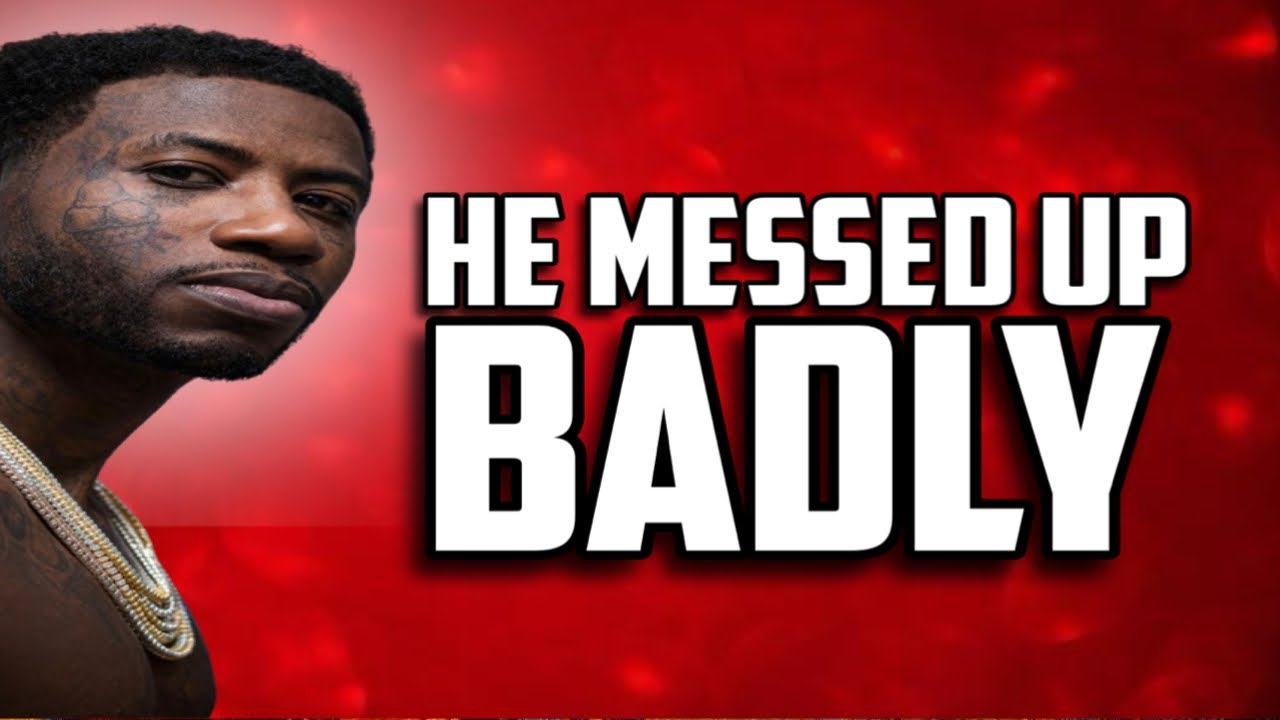
The incident on January 10th was not a random act of violence but a pressure cooker explosion with roots in the business and personal dynamics of Gucci Mane’s 1017 Records. Industry observers note a significant shift in label management since Gucci’s 2016 prison release and his marriage to Keyshia Ka’oir. Her increased role in artist affairs created a layer of insulation, leaving some artists feeling unheard.
For Pooh Shiesty, born Lontrell Williams Jr., grievances reportedly extended beyond contract disputes into deeply personal territory. His blood cousin, rapper and former 1017 artist Scarr, was killed in 2022. Street sources indicate Shiesty harbored unresolved anger over Gucci Mane’s handling of that tragedy, blending business frustration with raw, personal grief.
Gucci Mane signed Shiesty, fully aware of his protégé’s background. Shiesty was a street figure who rapped, not the other way around. His reputation and criminal history were public, including an active federal firearms case from a 2021 shooting in Bay Harbor Islands, Florida, that was caught on surveillance footage.
The January meeting in Dallas was ostensibly to address financial disputes. However, according to affidavits, Gucci Mane and an associate arrived displaying considerable wealth—luxury watches, jewelry, and cash—in front of an artist vocal about unpaid earnings. This critical miscalculation in reading the room’s temperature set the stage for disaster.
Security was reportedly lax. Affidavits state Gucci’s head of security remained in the lobby, and a second officer stayed in the vehicle outside. Nine armed men allegedly entered, holding Gucci at gunpoint, stripping him of his jewelry, and forcing him to sign a document under duress.

The legal machinery is now in motion. The government possesses overwhelming evidence: ankle monitor data, cell records, surveillance, and social media posts. They do not need Gucci Mane’s testimony to secure convictions. What they seek is the narrative power of the victim, a recognizable face, telling his story to a jury.
This demand forces Gucci Mane into a crisis of identity. His entire brand is built on the “G-code”—an unshakable street loyalty and a vehement anti-snitching stance. He has famously declared he would “die before I snitch.” Testifying, even as a victim, creates a perilous optical dilemma in the culture he helped define.
The legal distinction is clear: he is a victim, not a cooperator. The street distinction, however, is often unforgiving. Sitting in a federal witness box, regardless of context, could be weaponized by critics to dismantle his carefully constructed persona.
Complicating the calculus for all nine defendants is the history of one among them. Andre Williams Sr., Pooh Shiesty’s father, has a documented past of cooperation with federal prosecutors dating to 2009. His plea agreement included provisions for ongoing assistance. This knowledge fundamentally alters the strategic timeline for every co-defendant.

In federal cases with a 90% conviction rate, the first to cooperate typically receives the most favorable deal. With nine defendants and one already familiar with the process, the pressure to flip is immense and immediate. The clock is ticking loudly.
Gucci Mane survived the Atlanta streets, federal prison, and rebuilt an empire. Now, he faces a different kind of trial. The impending indictment is merely the first step. The subsequent choice—to testify or not—will force him to weigh legal pragmatism against a lifetime of coded loyalty.
The streets are watching, waiting to see if the man who transformed himself can survive the collision between his past’s code and his present’s reality. The witness stand awaits, and its cost will be measured in more than just years.