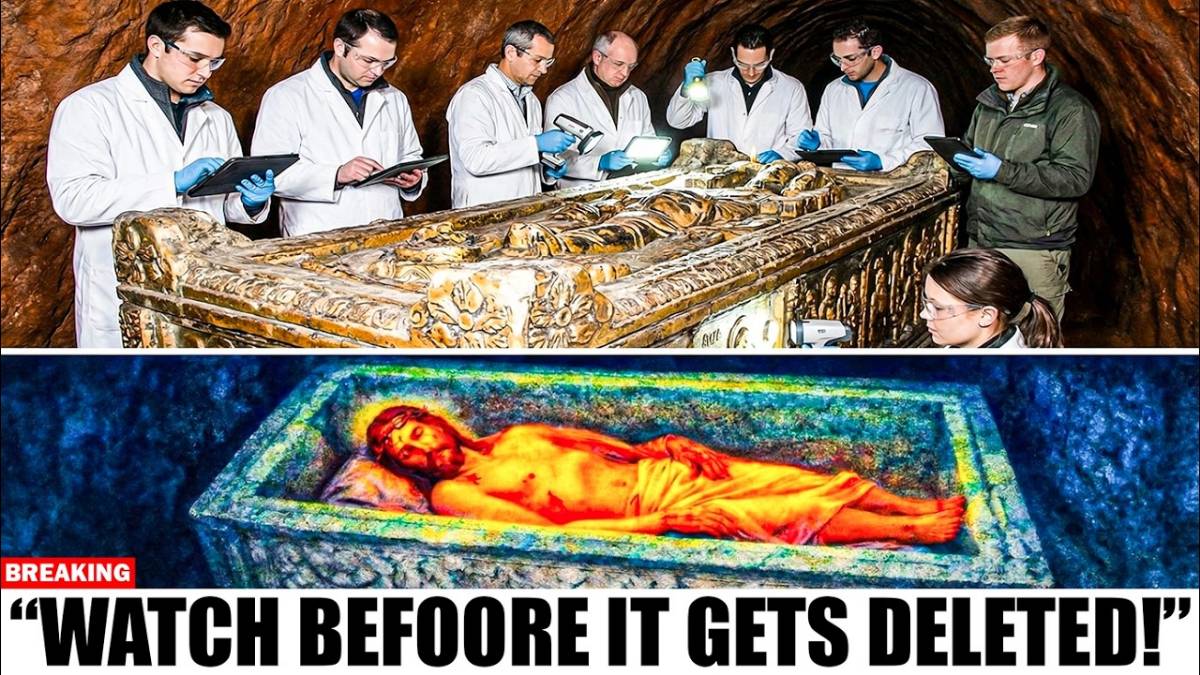
For the first time in centuries, the sealed burial bed venerated as the tomb of Jesus Christ has been exposed to modern scientific examination, revealing profound archaeological secrets and raising new historical questions. The unprecedented restoration project at Jerusalem’s Church of the Holy Sepulchre has yielded discoveries that are reshaping understanding of one of Christianity’s most sacred sites.
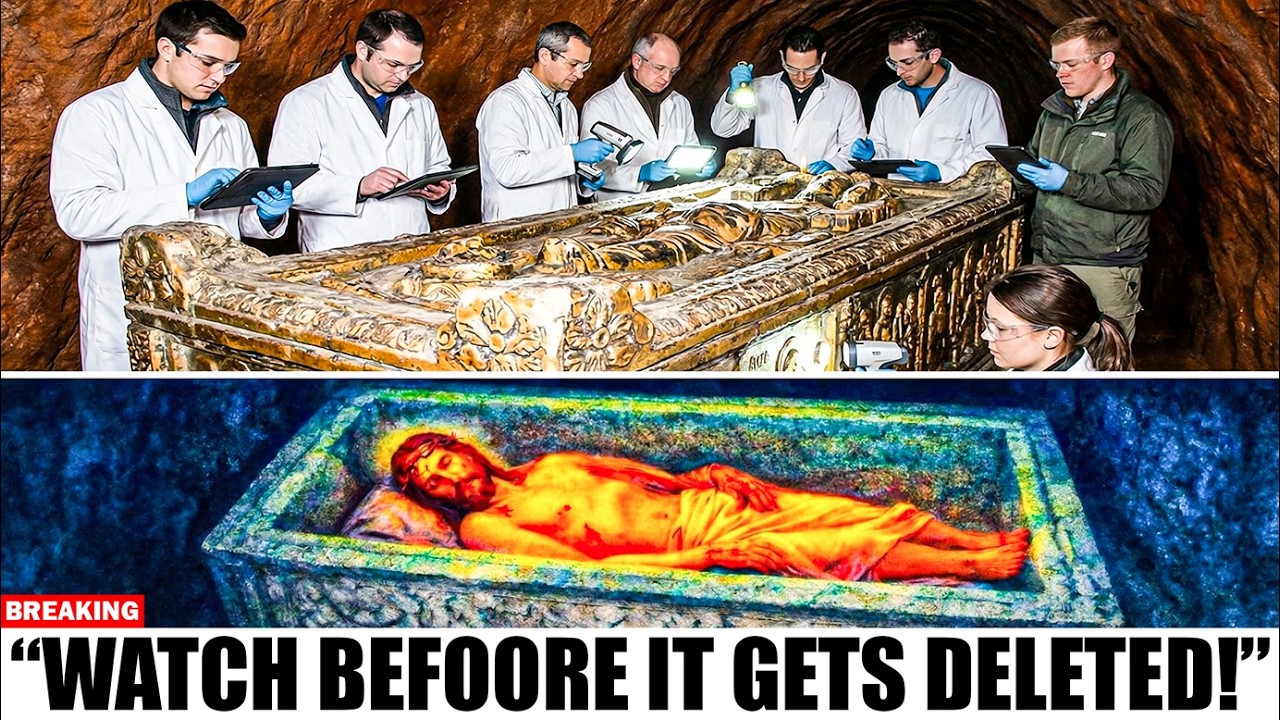 In a meticulous 60-hour operation in October 2016, a team from the National Technical University of Athens removed the marble cladding that had sealed the tomb since at least 1555. Beneath layers of filler material and a slab etched with a cross, they made a stunning find: the original limestone burial bed, intact and in its historical place. “My knees are shaking a little bit because I wasn’t expecting this,” said National Geographic archaeologist Fredrik Hiebert, who was present.
This discovery directly addressed a centuries-old scholarly debate over whether the tomb had remained in its original location through repeated destruction and rebuilding of the church. The exposed rock provided tangible, visible proof that the venerated site had not shifted. The original walls of the ancient limestone cave were also found still standing within the 19th-century shrine, or edicule, that houses the tomb.
Further investigation revealed the tomb showed signs of having been opened multiple times across history, a disturbing detail for a site meant to remain sealed. This prompted immediate questions about who might have accessed it and when. The restoration, led by Chief Scientific Supervisor Professor Antonia Moropoulou, was designed to stabilize the structure for generations, meaning the burial bed has now been resealed, possibly for another millennium.
 The archaeological significance of the site extends far beyond the tomb itself. Twentieth-century excavations within the church complex uncovered the remains of a Roman temple built by Emperor Hadrian around 135 AD, along with sections of the original church commissioned by Emperor Constantine in the fourth century. The presence of this temple is now seen as a crucial historical marker.
Scholars note that Hadrian likely constructed the temple directly over the Christian holy site in an attempt to supplant the growing faith. Ironically, this act preserved the location for future generations. When Constantine’s men later dismantled the temple, they reportedly discovered a rock-cut tomb beneath, leading to the construction of the first Church of the Holy Sepulchre.
Perhaps the most compelling supporting evidence came from the discovery of at least six other first-century rock-cut tombs in the immediate area beneath the church. “The presence of other tombs from the same period is significant archaeological evidence,” stated archaeologist and National Geographic grantee Jodi Magness. This confirms the area was a Jewish cemetery outside Jerusalem’s walls during Jesus’s lifetime, perfectly matching the Gospel description of his burial place.

The most recent and astonishing discovery occurred in 2022 during further restoration work. Archaeologists led by Professor Francesca Stasolla of Sapienza University of Rome uncovered a meticulously preserved first-century garden buried deep beneath the church floor. This cultivated space contained olive trees, grapevines, and other period-appropriate plants, with seeds and pollen remarkably preserved in the soil.
This garden discovery carries immense biblical and historical weight. The Gospel of John specifically mentions a garden at the burial site: “Now in the place where he was crucified there was a garden, and in the garden a new tomb” (John 19:41). For centuries, scholars debated whether this was symbolic or literal. The physical evidence of a cultivated garden adjacent to elite tombs now strongly suggests a historical reality behind the text.
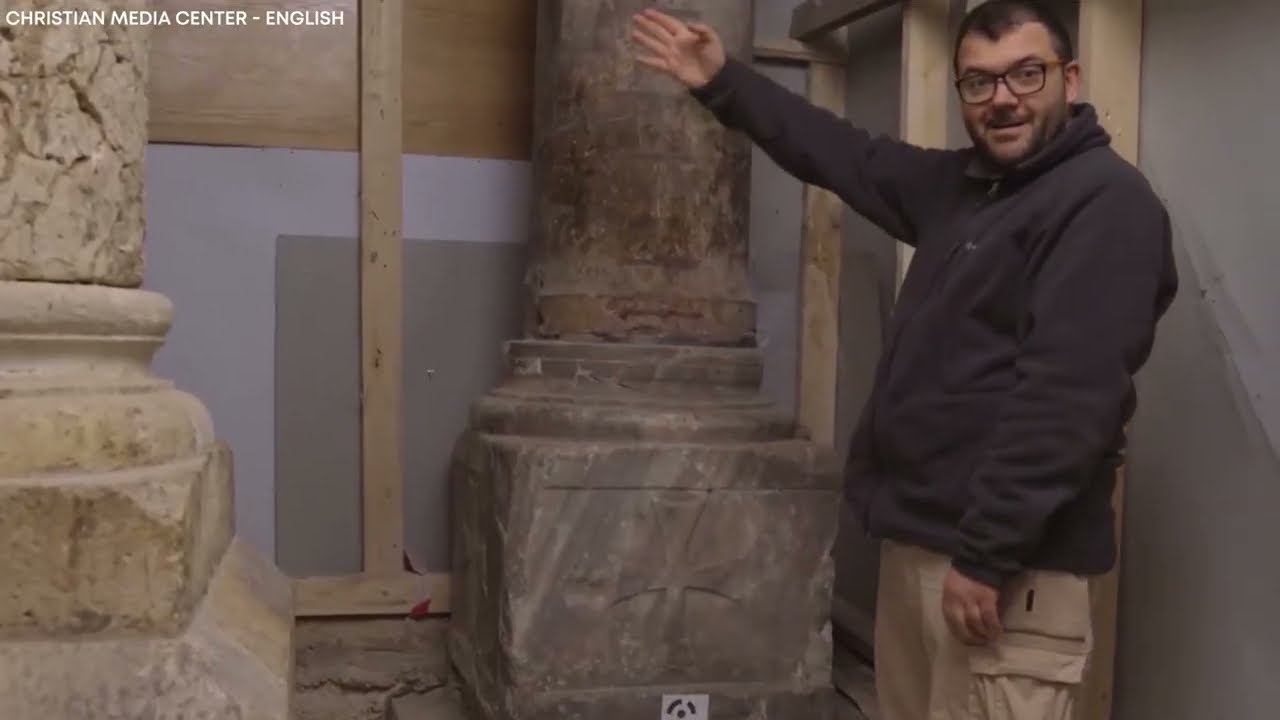 The garden’s location outside the ancient city walls aligns with Jewish burial law and Gospel accounts. The design of the rock-cut tombs, carved by hand from solid limestone, matches the description of the tomb belonging to Joseph of Arimathea, a wealthy man who, according to the Gospels, offered his own new tomb for Jesus. The proximity of the garden to the tombs also fits the narrative urgency of a burial before the Sabbath.
“While we may not be absolutely certain that the site of the Holy Sepulchre Church is the location of Jesus’s burial, we certainly have no other site that can present a claim nearly as strong,” said Dan Bahat, former city archaeologist of Jerusalem. The convergence of evidence—the geographical accuracy, the elite tomb design, the historical preservation under Hadrian’s temple, and the newly discovered garden—builds a powerful, multi-layered case.
As the restored marble slab now covers the burial bed once more, researchers are left with unprecedented documentation and data. The quest for definitive proof continues, particularly in the search for ancient graffiti or markings that early church fathers like Bishop Eusebius may have used to identify the tomb. For millions of faithful and historians alike, the stones beneath the Church of the Holy Sepulchre have begun to speak, not with absolute certainty, but with a resonant and compelling voice from the deep past.