After more than four decades of legal battles and appeals, the state of Florida has executed Kale Barrington Bates, a death row inmate whose case became a focal point in the nation’s capital punishment debate. The 67-year-old was pronounced dead by lethal injection at 6:17 p.m. on Tuesday, August 19, 2025, inside the execution chamber at Florida State Prison in Raiford.
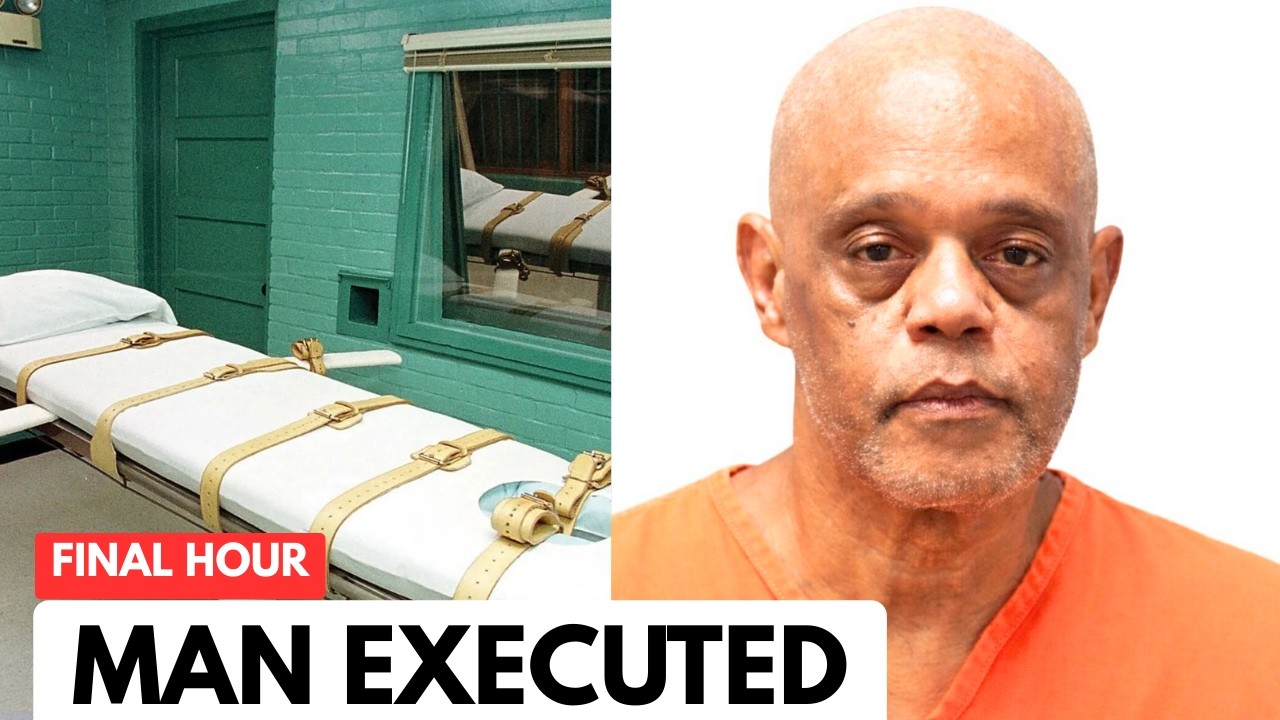
His death marks the tenth execution carried out by Florida this year, setting a grim state record for the most in a single year since the death penalty was reinstated. The execution proceeded after a final, denied appeal to Governor Ron DeSantis and the U.S. Supreme Court, ending one of the longest-standing death row cases in Florida history.
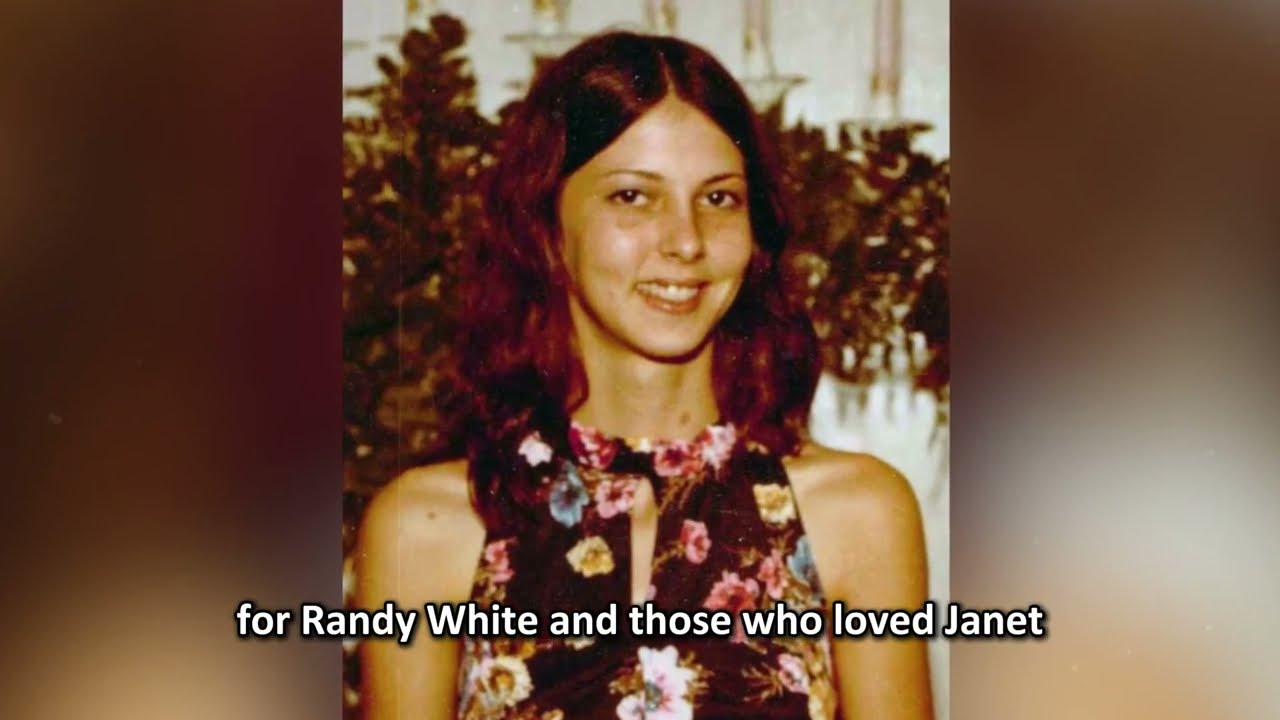
The journey to this moment began on a quiet summer morning over 43 years ago. On June 14, 1982, 24-year-old Janet White arrived for work at an insurance office in the Florida panhandle. Kale Bates, then 24, entered the office, abducted White at gunpoint, and forced her into nearby woods.
There, he attempted to sexually assault her. When she resisted, he stabbed her to death. Bates then stole the diamond ring from her finger before fleeing the scene. Her body was discovered later, a crime prosecutors described as brutal and senseless.
An all-white jury took just 50 minutes to convict Bates of first-degree murder, kidnapping, armed robbery, and attempted sexual battery in 1983. He was swiftly sentenced to death. What followed, however, was not swift justice but a labyrinthine legal saga spanning generations.
His first conviction was upheld, but issues with his trial led to a new sentencing hearing in 1995. A second jury recommended death by a 9-3 vote, sending him back to death row. For the next thirty years, his lawyers filed appeal after appeal.
They argued that possible organic brain damage was a mitigating factor. They relentlessly sought DNA testing on evidence, claiming it could prove innocence or raise doubt. They joined lawsuits alleging racial bias in how Florida prioritized executions.
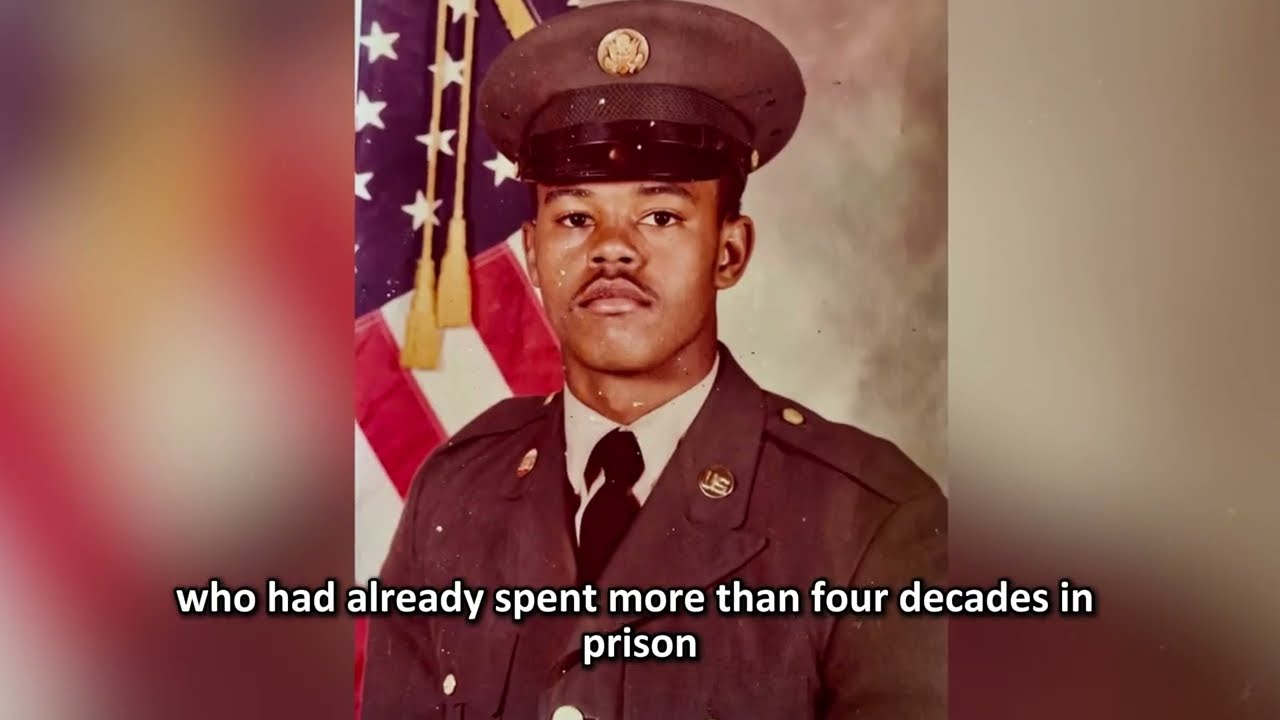
Every legal avenue was exhausted and denied. In the intervening decades, Bates, a military veteran, converted to Islam and adopted the name Ma’dib al-Shariff Chuan. He watched the world transform from behind bars, his life defined by the confines of a cell.
As the execution date neared, outside pressure mounted. Faith groups held vigils. Anti-death penalty activists, emphasizing his veteran status and 40-year incarceration, pleaded for clemency. Their appeals were unsuccessful against the state’s accelerated execution schedule.
On his final day, Bates woke at 5:15 a.m. He was visited by his daughter, sister, and brother-in-law for the last goodbyes in a sterile visitation room. Notably, he declined to meet with any spiritual adviser, despite his religious conversion.
He also declined a special last meal, opting for standard prison fare or nothing at all. This small detail underscored the solemn resignation of his final hours. As 6 p.m. approached, all preparations were finalized.
Witnesses, including Janet White’s widower, Randy White, now in his late sixties, gathered behind a glass partition. Media representatives stood by to document the end of a 43-year-old case. The atmosphere was one of heavy, silent anticipation.
At the appointed hour, guards escorted Bates into the chamber. He was secured to the gurney, and intravenous lines were inserted into his arms. The curtain separating him from the witnesses was raised, revealing the elderly inmate to those assembled.
The warden offered Bates the opportunity to deliver a final statement. In a moment that left the room in stunned silence, Bates was asked if he had any last words. His response was a single, quiet syllable: “No.”
With that, the execution commenced at 6:01 p.m. Florida’s three-drug protocol was administered: a sedative to induce unconsciousness, a paralytic to halt breathing, and potassium chloride to stop the heart. Witnesses observed his rapid breathing slow and then cease.
By 6:05 p.m., he was still. After a protocol check and a formal examination by a doctor, Kale Barrington Bates was pronounced dead at 6:17 p.m. A legal journey of over 15,000 days ended in seventeen minutes.
Outside the prison, the act was met with starkly divided reactions. For Randy White, who attended the execution, it represented a long-delayed conclusion to a personal nightmare that began in 1982. He had lived more than half his life without his wife.
For many activists and observers, however, Bates’s death symbolizes systemic failure. They point to his trial by an all-white jury in the 1980s, the denied DNA testing, and his status as a Black veteran who spent most of his life incarcerated.
His execution solidifies Florida’s aggressive new stance on capital punishment in 2025, having now outpaced even Texas in executions this year. This case forces the state, and the nation, to confront enduring questions about race, justice, and finality.
The story that began with a young woman’s tragic murder on a summer day in 1982 has reached its statutory conclusion. Yet the debates it fuels—about vengeance versus justice, delay versus due process, and the very morality of the death penalty—remain unresolved and more urgent than ever.