Florida rapper Deshan Williams, known as Green Light, is at the center of a storm following his arrest in a police operation named after him—Operation Red Light. The rapper claims he was brutally beaten by officers during the arrest, raising serious questions about police conduct and accountability.
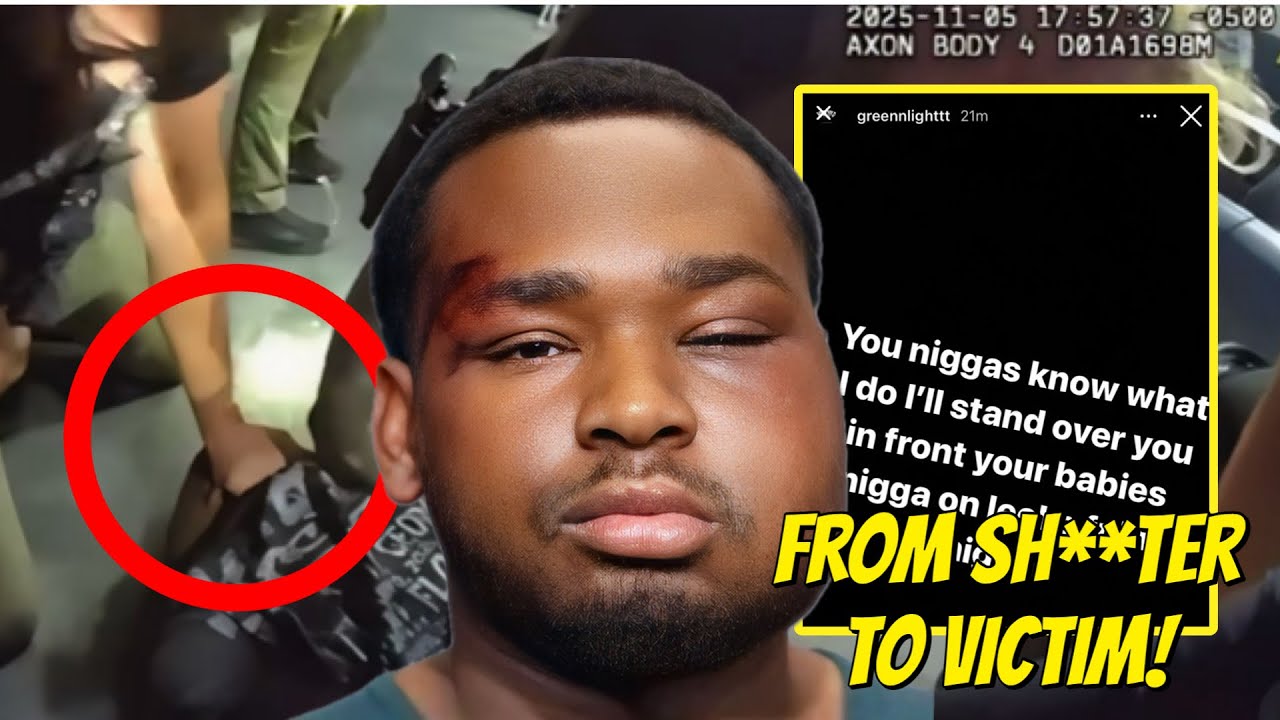 Williams, only 23, has survived multiple near-death experiences, including a shooting incident in 2021 that left one of his friends dead. His music often reflects the harsh realities of street life, touching on themes of gun violence and revenge. However, his recent legal troubles have thrust him into a new spotlight, one that highlights the tension between law enforcement and the community.
The arrest occurred as part of a seven-month investigation into alleged 𝒹𝓇𝓊𝑔 trafficking linked to Williams and four others. Body camera footage from the arrest shows Williams being tased multiple times and physically assaulted, despite his claims that he complied with police orders. This incident has sparked outrage among his family, who have since hired high-profile civil rights attorneys to seek justice.

Williams’ girlfriend took to social media to express her distress over the treatment he received, stating that he did not resist arrest and was unfairly targeted. The family argues that the actions of the Jacksonville Sheriff’s Office (JSO) represent a violation of his civil rights, raising broader concerns about police brutality and systemic issues within law enforcement.

As the community rallies around Williams, the narrative has become increasingly complex. Critics argue that while Williams has portrayed a dangerous persona in his music, the violent response from law enforcement seems excessive, especially given the circumstances of his arrest. The juxtaposition of his street credibility against the brutality he allegedly faced has sparked heated debates online.

In the wake of this controversy, the JSO has stated that the incident is under administrative review, but many are demanding transparency and accountability. The rapper’s next court date is set for April 9, and as the case unfolds, it remains to be seen how this situation will impact both his career and public perception.
With tensions running high and the community divided, the story of Green Light serves as a stark reminder of the challenges faced by young artists navigating the treacherous waters of fame, violence, and law enforcement in America today. As fans and critics alike weigh in, one thing is clear: the outcome of this case could have lasting implications for both Williams and the Jacksonville community.