A Texas execution chamber has closed a final chapter on one of the most notorious hate crimes in modern American history, with the lethal injection of a second man convicted of the racially motivated dragging death of James Byrd Jr. in 1998.
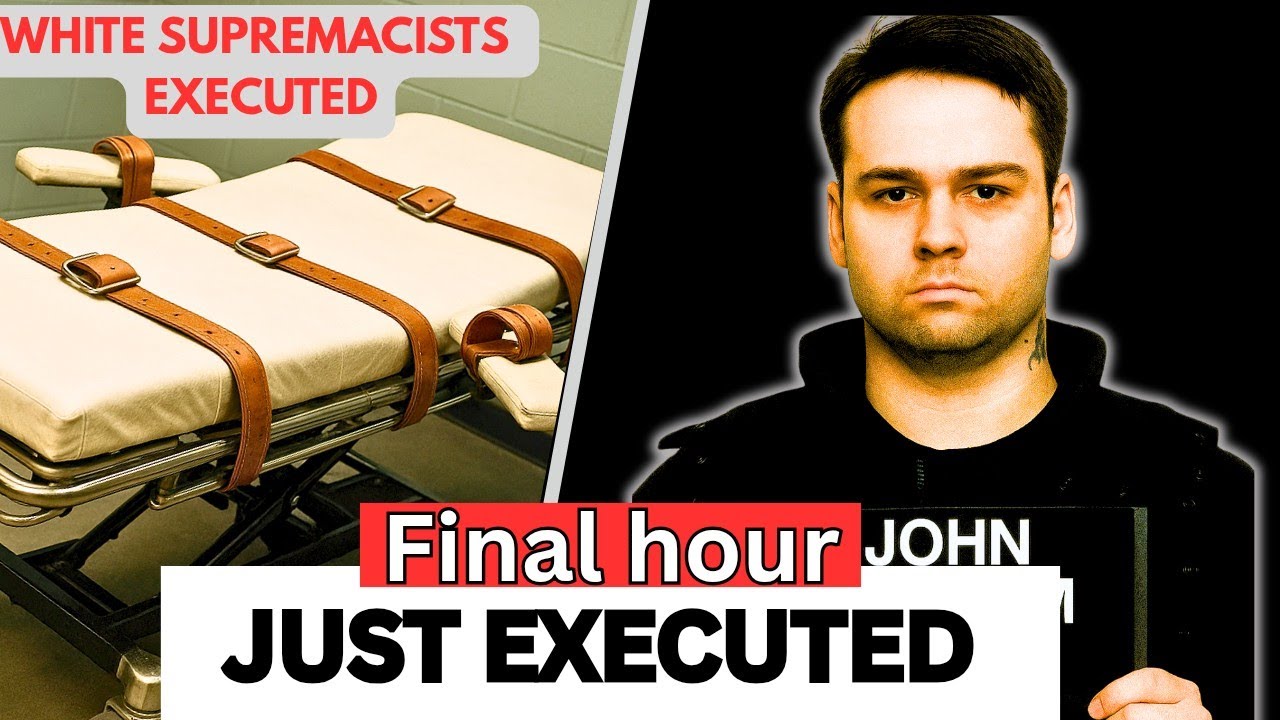
John William King, a 44-year-old avowed white supremacist, was executed Wednesday evening at the state penitentiary in Huntsville. He declined to make a final statement, closing his eyes as the lethal dose began. His death came nearly eight years after his accomplice, Lawrence Russell Brewer, was executed for the same brutal murder.
The crime that led them to the gurney remains a searing wound on the nation’s conscience. On June 7, 1998, in the small East Texas town of Jasper, Byrd, a 49-year-old Black man, accepted a ride home from three white men. Instead, they drove him to a remote logging road.
There, they beat him, spray-painted his face, and chained his ankles to the back of a pickup truck. For three miles, they dragged James Byrd Jr. down an asphalt road, tearing his body apart. He was alive for much of the ordeal before being decapitated by a concrete culvert.
His remains were dumped in front of a predominantly Black church. The killers then went to a barbecue. The crime scene stretched for nearly two miles, a trail of blood, flesh, and bone that horrified investigators and a watching nation.
The three men were swiftly arrested. The ringleaders, John William King and Lawrence Russell Brewer, were tied to violent white supremacist prison gangs. King’s body was covered in racist tattoos, including one depicting a black man hanging from a tree.
Shawn Allen Berry, the driver, received a life sentence. King and Brewer were convicted of capital murder and sentenced to death. Their trials revealed a crime motivated by deep racial hatred, planned and executed with chilling cruelty.
Brewer was executed first, on September 21, 2011. His final act on death row provoked a lasting policy change. He requested an extravagant last meal, including steak, barbecue, and ice cream, then refused to eat a single bite.

In response, the Texas Department of Criminal Justice immediately abolished the decades-old tradition of custom final meals for condemned inmates. Brewer’s last words, offered days earlier, were a stark final defiance: “As far as regrets, I have none.”
King spent over two decades on death row, filing numerous appeals that claimed innocence and argued ineffective counsel. Courts consistently rejected them, citing overwhelming evidence, including Byrd’s blood on King’s clothing and his own writings filled with racist vitriol.
On his final day, King was transferred to the Huntsville Unit. He received no special last meal, a direct legacy of Brewer’s actions, and was served a standard prison dinner. He had no visitors and maintained a cold, silent demeanor.
At 6:56 p.m., he was strapped to the execution gurney. When asked for final words, he remained silent. The lethal injection began at 7:04 p.m., and he was pronounced dead four minutes later. Members of the Byrd family witnessed the execution.

The case left an indelible mark far beyond the Texas prison system. It galvanized national outrage and became a catalyst for stronger hate crime legislation. In 2009, President Barack Obama signed the Matthew Shepard and James Byrd Jr. Hate Crimes Prevention Act.
For the Byrd family, the executions brought a form of legal conclusion to a nightmare that began on a lonely Jasper road. James Byrd Jr. is remembered not just as a symbol of hate, but as a father, grandfather, and a man who loved music.
His sister, Clara Taylor, has often stated the family sought justice, not revenge. With King’s death, the state of Texas has now exacted its ultimate penalty on two of the three men who turned a simple ride into an act of savage, historic terror.
Only Shawn Allen Berry remains alive, serving a life sentence with the possibility of parole in 2038. The legacy of that horrific night continues to resonate, a grim reminder of the deadly cost of hatred and the long, painful pursuit of justice.