A federal kidnapping case has erupted from the heart of the music industry, alleging a violent contract dispute between rapper Pooh Shiesty and the label boss who once championed him, Gucci Mane. The shocking allegations, detailed in a Department of Justice indictment, stem from an incident where Pooh Shiesty allegedly forced Gucci Mane at gunpoint to sign release paperwork.
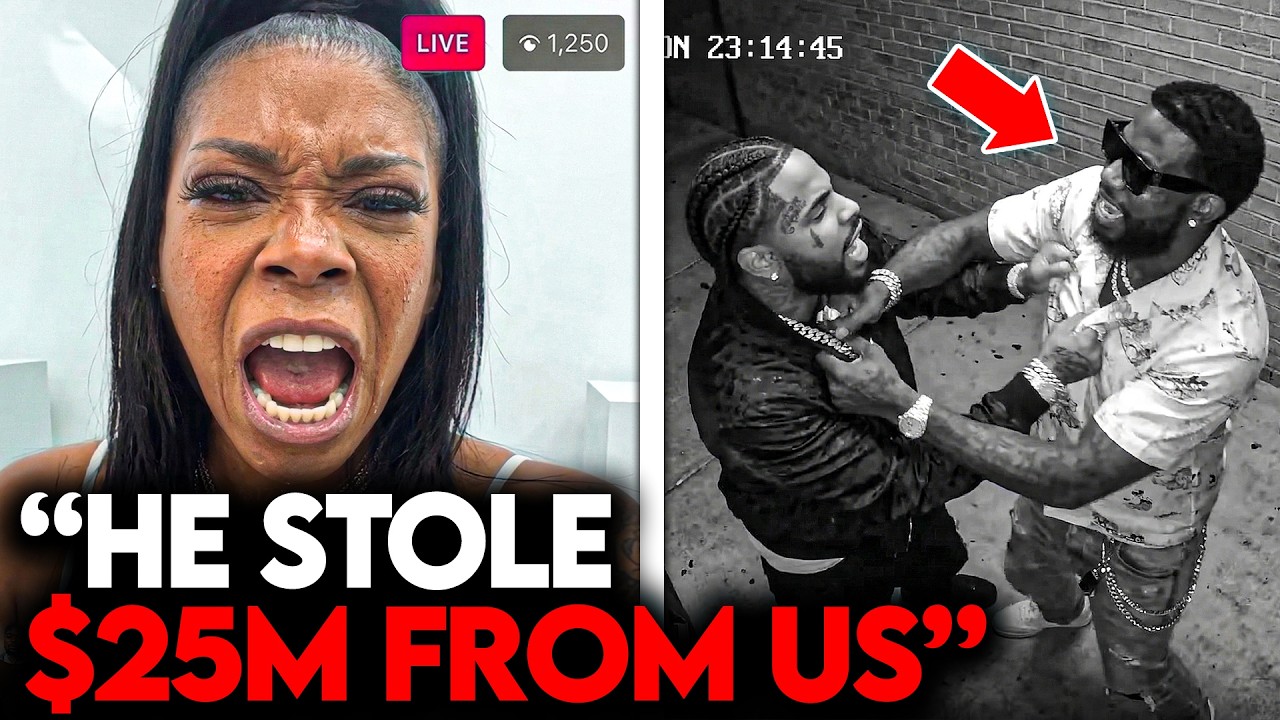
The saga, now a federal criminal matter, began with whispers of financial betrayal. Pooh Shiesty’s mother, Glattis Baines, ignited the narrative publicly, claiming on social media that Gucci Mane “finessed” her son out of $25 million while he was incarcerated. She alleges her son received no royalties during his prison term.
Pooh Shiesty, legally Lantrell Williams Jr., was a rising star on Gucci Mane’s 1017 Records before a 2022 federal firearms conspiracy conviction sent him to prison for over five years. His hits, like “Back in Blood,” continued to generate substantial streams and revenue during his incarceration.
According to the federal complaint, the situation reached a violent climax on January 10, 2026, in a Dallas recording studio. Gucci Mane and two associates arrived for a business meeting, which was allegedly a coordinated ambush. Pooh Shiesty arrived with eight individuals, including his father and fellow rapper Big 30.
The complaint states Pooh Shiesty, wearing an ankle monitor from prior home confinement, isolated Gucci Mane. After Gucci Mane refused to sign the contract termination documents, Shiesty allegedly produced an AK-style pistol and demanded his signature. Gucci Mane complied under direct threat.
Simultaneously, other conspirators allegedly produced firearms, barricaded the studio door, and robbed the other victims of jewelry, cash, and personal items. One victim was allegedly choked to near unconsciousness. Big 30 is accused of filming the contract signing on a cell phone.

In a stunning lack of discretion, several defendants allegedly posted images of the stolen jewelry on social media afterward. Federal investigators used this, along with GPS data from Shiesty’s ankle monitor, cell records, and surveillance footage, to build their case.
On April 2, 2026, U.S. Attorney Ryan Raybold announced federal charges against nine individuals, including Pooh Shiesty, his father, Lantrell Williams Sr., and Big 30. Eight are in custody; one remains at large. The charges include kidnapping and armed robbery.
“Instead of discussing business civilly, the defendants resorted to violence and intimidation,” Raybold stated, sending a clear warning about such tactics being prosecuted as federal crimes. The charges carry potential life sentences for the alleged ringleaders.
Pooh Shiesty’s legal team is preparing a vigorous defense. Attorney Bradford Cohen told TMZ he has identified “inconsistencies” in the indictment. Another attorney suggested the government’s narrative oversimplifies a complex business dispute within the music industry.
The case has sent shockwaves through hip-hop, sparking debates about artist-label relations, especially for incarcerated talent. Commentator Charleston White previously alleged Gucci Mane’s label profited millions from Shiesty’s work without forwarding royalties, a claim central to the family’s grievance.
Reactions from peers have been stark. Rick Ross urged business education, revealing he once tried to mediate between Gucci Mane and Yo Gotti, who was reportedly interested in signing Shiesty. 50 Cent levied harsh criticism at Gucci Mane, questioning his conduct.

Big 30’s lawyer, Arthur Horn, expressed shock at the charges, noting his client’s clean record and close friendship with Shiesty. He urged the public to withhold judgment until all facts are presented in a court of law.
While the criminal case proceeds, the underlying allegation of financial exploitation during incarceration raises systemic questions. It highlights the vulnerability of artists who cannot audit or manage their careers from prison, relying entirely on label integrity.
This incident transcends a simple feud. It is a collision of street ethics, corporate music business, and federal law. It exposes the desperate measures some feel compelled to take when they believe legal channels have failed them.
Pooh Shiesty now faces the possibility of life in prison, a staggering reversal for an artist who, just years prior, was celebrating a number-one album. His family’s social media posts, mixing prayer emojis with defiance, reflect a profound belief he was grievously wronged.
The coming court battles will determine legal guilt, but the count of public opinion is already underway. The case has become a flashpoint for discussions on ownership, loyalty, and the often-opaque financial machinery of the modern rap industry.
For the culture, the lesson is brutally clear: the business continues with or without the artist. Contracts signed in hope must be scrutinized for the worst-case scenarios, as talent alone is no shield against exploitation or the dire consequences of taking matters into one’s own hands.