
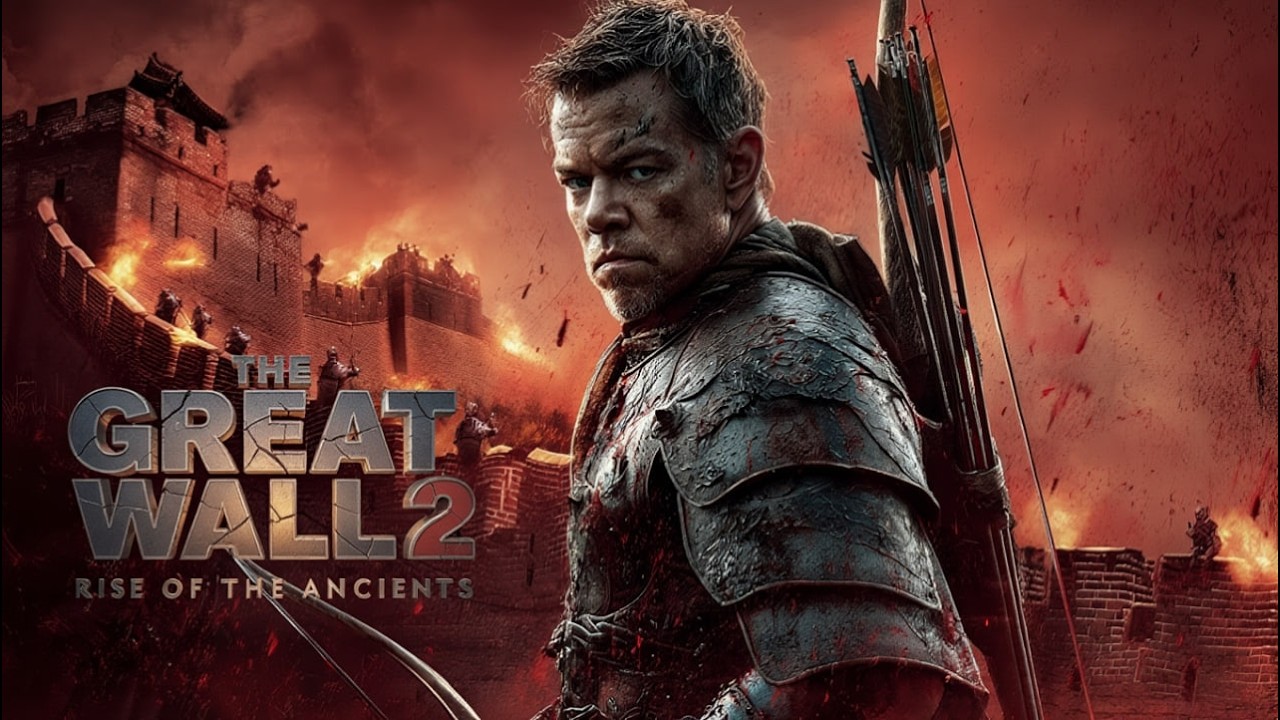
A massive wave of online speculation and elaborate fan fiction is being mistaken for official Hollywood news, as detailed plans for a non-existent sequel to the 2016 film The Great Wall circulate widely. The film, titled The Great Wall 2: Shadow of the Empire in these fabricated reports, is not in development at any major studio. This sophisticated hoax includes a full plot synopsis, cast list, and even fake critical reviews, creating a convincing illusion of a forthcoming blockbuster.
 The original 2016 film, directed by Zhang Yimou and starring Matt Damon, was a notable financial disappointment. Despite a global gross of $334 million, it lost an estimated $75 million for its backers, Universal Pictures and Legendary Entertainment. It was also panned by critics, holding a 35% rating on Rotten Tomatoes.
Matt Damon himself has publicly acknowledged the film’s failure. In a past podcast appearance, he stated he knew the project would flop when director Zhang Yimou conceded creative control to Hollywood producers. This commercial and critical performance is the primary reason a sequel was never officially pursued.
The current misinformation campaign is multifaceted and pervasive across the internet. Fake articles cite conflicting release dates for 2024 or 2025, while major trade publications like Variety and Deadline have no record of any such project. Elaborate cast lists name actors like Michelle Yeoh, Simu Liu, and Donnie Yen, none of whom are attached.
A significant portion of the false content is generated by artificial intelligence. These AI-produced articles and fabricated movie trailers are then shared across social media platforms like TikTok and Facebook, lending an air of visual legitimacy to the scam. The fan-made plot treatment is exceptionally detailed, spanning a three-act structure.

This fictional sequel treatment proposes a story set 20 years after the original, following Commander Lin Mae and her estranged son as they battle a new vampire-like threat along the Silk Road. It includes character arcs, specific action set pieces, and a budget projection, mimicking genuine studio development documents.
The resurgence of this rumor appears linked to a genuine event: the original film’s unexpected entry into the top 10 streaming charts on HBO Max in July 2025. This renewed viewer interest has likely fueled wishful thinking and provided fertile ground for the spread of this elaborate fan concept.
Entertainment analysts warn that the sophistication of this hoax represents a new challenge. The blending of accurate facts about the first film’s failure with a deeply imagined fictional sequel creates a compelling narrative that can easily deceive casual fans searching for news online.

Industry insiders confirm there have been no discussions, pitches, or development meetings regarding a sequel at Legendary or Universal. The financial loss of the first film remains a definitive barrier, with studios unlikely to reinvest in a damaged franchise without a radical new approach.
The fabricated materials even include fake positive reviews from major outlets like The Guardian and enthusiastic fan reactions from Reddit, complete with upvote counts and usernames. This layer of fabricated social proof is designed to bypass skepticism and present a complete picture of a successful film launch.
Professional film journalists emphasize the importance of checking primary sources. The absence of any announcement from the involved studios, the director, or the listed cast members is the most telling sign that The Great Wall 2: Shadow of the Empire is a cinematic ghost, a product of collective fandom and digital fabrication.

This incident highlights the evolving nature of online film discourse, where passionate fan engagement can cross into the territory of widespread misinformation. The detailed treatment reflects a genuine desire by some fans to see the original film’s promising concept executed more effectively.
While the artistic merit of the fan concept is a separate issue, its circulation as news serves as a stark reminder for audiences to critically evaluate online sources. The complete package of a trailer, posters, reviews, and synopsis can now be convincingly generated without a single frame of film being shot.
The legacy of The Great Wall remains firmly as a single, costly experiment in East-West co-production that failed to resonate. Any future stories about its heroes will exist solely in the realm of imagination and online forums, not on studio release schedules. The wall, for now, has no shadow.