
Saddam Hussein, the once-feared dictator of Iraq, met his end in the early hours of December 30, 2006, as he was executed by hanging. The event unfolded against a backdrop of stillness and tension, marking a significant moment in Iraq’s turbulent history. His death, however, has left a legacy of division and unrest.
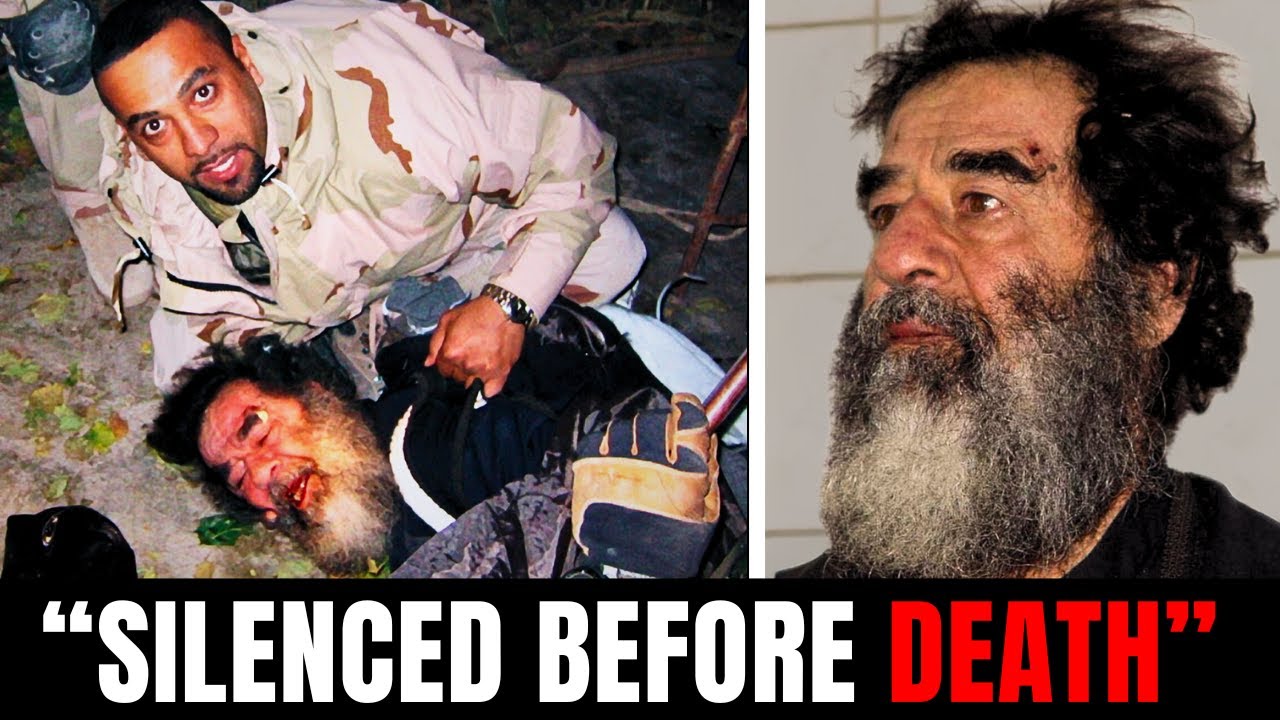 Inside a dimly lit cell within a former palace, Saddam awoke to the cold reality of his final hours. The air was thick with silence, interrupted only by the distant presence of armed American guards. Captivity had transformed him from a formidable leader into a frail figure, reminiscent of a weary grandfather, dressed in loose prison clothes that hung off his diminished frame.
As the day progressed, subtle signs indicated the gravity of the situation. His legal team’s visit was unusually somber, their hushed conversations laden with unspoken finality. Two of his half-brothers were granted a brief visit, their expressions reflecting a shared understanding that words could not convey. The atmosphere in the prison shifted; even the guards sensed something was amiss, the air heavy with anticipation.
When the fluorescent lights flickered on that fateful morning, the stark brightness illuminated Saddam’s composed demeanor. “It’s time,” the guards announced, and he responded with an eerie calmness, acknowledging his fate with a quiet dignity. He meticulously prepared himself, eschewing prison rags for a crisp suit, a final attempt to present himself as a man of stature, not a broken prisoner.
 As he stepped into the hallway, a line of elite American guards awaited him, their expressions stoic. Saddam, undeterred, shook their hands, a moment of shared humanity amidst the impending finality. The helicopter ride to the execution site was marked by silence, his gaze fixed on the fading rooftops of Baghdad, a city unaware of the storm about to unfold.
Arriving at the military facility, the symbolism of his past loomed large. Inside the execution chamber, the air was thick with tension. Iraqi officials stood ready, their silence echoing the pain of their past under his regime. Saddam entered, Quran in hand, defiant and resolute, refusing to wear a hood. “I want to see their faces,” he declared, embodying a man unyielding even in his final moments.
As the judge recited the charges, chants erupted from the crowd, a cacophony of anger and retribution. Saddam’s response was calm, challenging the shouts with a measured gaze. He stood beneath the noose, reciting the Islamic declaration of faith, his voice unwavering as the world outside held its breath.

The moment the rope tightened, a profound silence enveloped the room, contrasting sharply with the jubilation that erupted across Baghdad. Gunfire rang out, cars honked, and celebrations ignited in the streets. For many, this was justice; for others, it was merely the beginning of a new chapter of violence and division.
As news of his execution spread globally, the reactions were mixed. While the U.S. hailed it as a step towards justice, concerns over the method of execution were raised by human rights advocates. The aftermath saw an immediate surge in sectarian violence, as the ghosts of Saddam’s regime reawakened in the streets of Iraq.
 In the prison, the guards returned to their posts, the weight of the moment heavy upon them. “He didn’t die like a monster,” one guard reflected. “He died like a man who knew he had no more moves left.” But the silence that followed his death was deafening, a reminder that while Saddam Hussein was gone, the war and the wounds he inflicted were far from over.
His funeral was a muted 𝒶𝒻𝒻𝒶𝒾𝓇, with small crowds gathering in his hometown to pay their respects. Some wept, while others expressed disdain. Yet, the true legacy of his death was the silence that followed—a silence filled with uncertainty, fear, and the haunting echoes of a nation still grappling with its fractured identity.
Saddam Hussein’s execution was intended to symbolize a definitive end to tyranny, but it merely deepened the fissures in a country long plagued by conflict. The final chapter of his rule left behind a legacy of pain, and as Iraq continued to bleed, the question lingered: was this truly justice, or merely a prelude to further suffering?