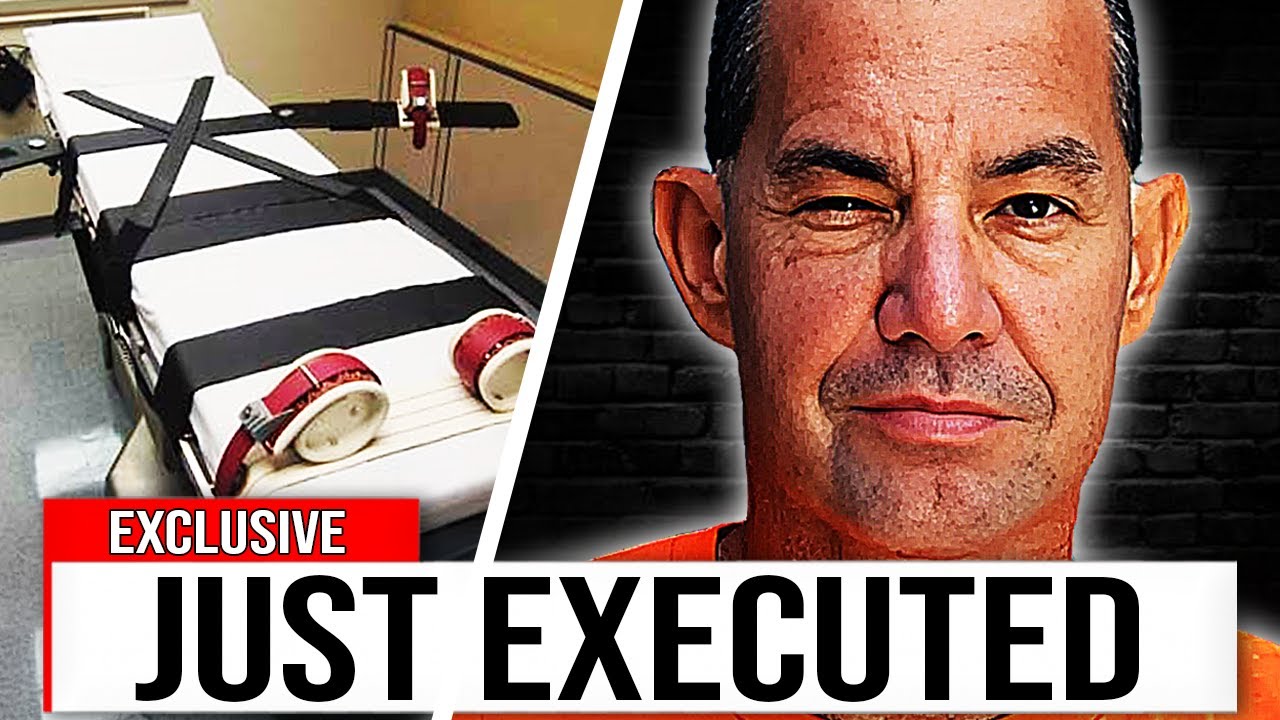
In a decisive end to a decades-long saga, Aaron Brian Gunes was executed on March 19th, 2025, for the 2002 murder of Ted Price in Arizona. Gunes, who repeatedly pushed to expedite his death sentence, was put to death by lethal injection after years of legal battles and public controversy over execution methods.
The grim story began in November 2002, when Ted Price, the ex-husband of Gunes’s girlfriend Katherine Leer, came to stay at her Mesa apartment. Initially uneventful, tensions between Ted and Katherine mounted, culminating in a violent confrontation where Katherine smashed a telephone into Ted’s face. Dazed but conscious, Ted’s fragile state set a dark chain of events into motion.
That night, Aaron Gunes arrived and took control. Refusing to call for help, he instructed Katherine and her roommates to load the injured Ted into a car. Claiming he would send him away with a bus ticket, Gunes’s plan quickly unraveled when he realized he lacked the funds to buy it. The ride morphed into a sinister journey into the Arizona desert.
As city lights disappeared behind them, Gunes directed Jennifer Garcia to a remote dirt road where he exited the vehicle and approached the trunk. Seizing a desperate chance, Ted attempted to flee despite his injuries. Gunshots pierced the desert night—three rapid cracks followed by a chilling fourth—marking the brutal end to Ted Price’s life.
Jennifer later recounted seeing Gunes standing over Ted’s lifeless body, gun in hand, emotionless as if executing a routine task. Returning to Mesa, they discarded Ted’s belongings to erase all traces of the fatal trip. Authorities soon uncovered the grim truth; Ted’s body was found days later, and suspicion quickly focused on Katherine and her roommates.
Michelle Beck, under relentless pressure from investigators, confessed that Gunes had admitted to murdering Ted. Meanwhile, Gunes remained untraceable for two months, until a January 2023 traffic stop led to a dramatic shooting. Arizona State Trooper Robert Flanery was wounded when Gunes opened fire and fled, igniting a massive multi-agency manhunt.
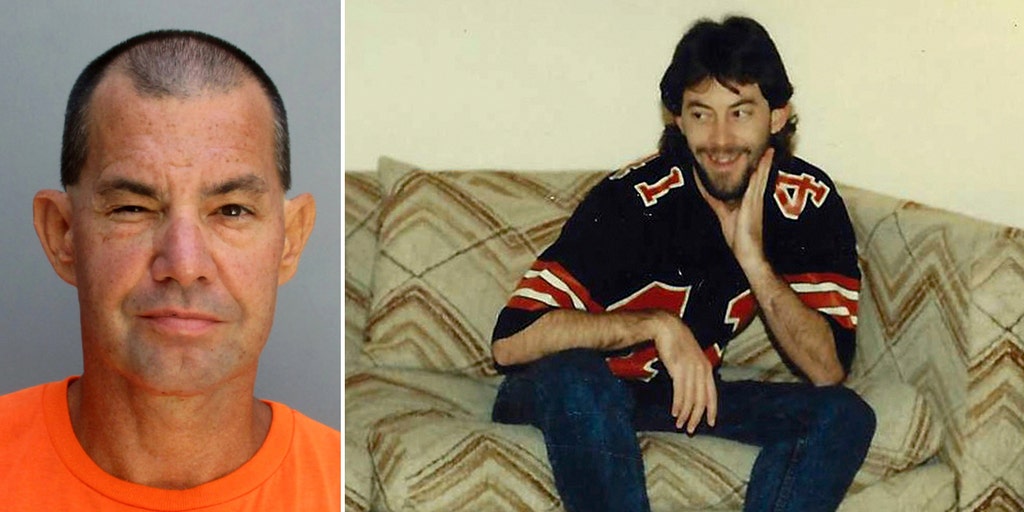
Cornered and exhausted, Gunes was found hiding inside a haystack near Wendon, Arizona. His escape was over. Arrested and charged, he faced multiple counts, including attempted murder of a police officer. Remarkably, Gunes immediately accepted responsibility for Ted’s murder, refusing to contest the charges or seek leniency.
In 2004, Gunes pleaded guilty to first-degree murder and kidnapping. Rejecting legal representation, he chose to represent himself, offering no defense or plea for mercy. His unyielding stance led to a 2008 death sentence, but the path to execution was far from straightforward, hindered by legal complexities and court rulings.
The Arizona Supreme Court overturned Gunes’s sentence, citing that Ted Price died instantly without experiencing prolonged suffering or fear, thus failing to meet the legal threshold for the death penalty. The state was forced to retry the case, and in 2013, Gunes again declined defense counsel and refused to present a defense as his retrial unfolded.
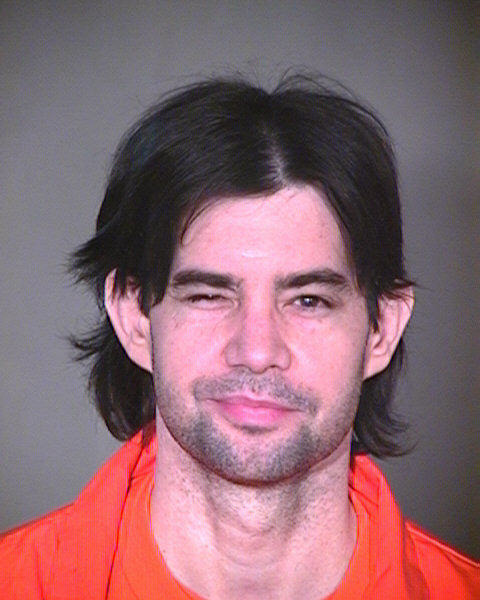
Elizabeth Crowder, his advisory counsel, described Gunes’s resistance to any assistance. She believed the case was never appropriate for the death penalty, as evidence might have supported second-degree murder. Yet, with Gunes’s guilty plea, the jury’s only choices were life imprisonment or death, with the latter ultimately confirmed.
Unlike typical death row inmates who exhaust every legal avenue to stay alive, Gunes’s behavior was strikingly different. In November 2022, after 14 years awaiting execution, he requested that the Arizona Supreme Court expedite his execution, citing a desire for justice and closure for the victim’s family. The state agreed, setting the wheels in motion.
However, delays ensued. Growing concerns about the state’s lethal injection protocols arose after reports of botched executions surfaced. Gunes expressed horror at these failures, calling the process torture. The mounting public pressure prompted Governor Katie Hobbs in early 2023 to impose a moratorium on executions and order a review of procedures, halting Gunes’s case abruptly.
The legal limbo deepened as Arizona struggled with staff shortages and constitutional concerns regarding the method of execution. Gunes’s execution warrant expired in April 2023 without action, frustrating families of the victims. Ted Price’s sister, Karen, actively pushed the courts for resolution, demanding the state fulfill its obligation to carry out justice.
Still, uncertainty prevailed. Prison officials maintained they lacked the necessary training and resources to ensure a constitutionally sound execution. The ongoing stalemate highlighted systemic issues within Arizona’s capital punishment system and underscored the challenges states face in enforcing death sentences amid rising ethical scrutiny.
By 2025, Gunes, weary from the relentless delays and legal wrangling, renewed his demand for swift execution. His persistence left no room for further postponements. The Arizona Supreme Court set a firm execution date: March 19th, 2025, signaling a final chapter in a protracted and contentious case.

On that date, inside Arizona State Prison in Florence, the state carried out the lethal injection. Gunes was 53 years old. His last meal was a remarkable indulgence: onion rings, a spicy gyro, a barbecue gyro, baklava, and a double Western bacon cheeseburger with fries—an unusual feast fitting a man who faced death on his own terms.
Gunes declined to speak any final words before his execution. His death brought an end to a complicated and highly publicized case that laid bare the intensity of Arizona’s death penalty system, the moral debates surrounding it, and the rare determination of an inmate who fought not for survival, but for closure through death.
This execution marks the close of a dark chapter, yet the repercussions continue to fuel discussions on capital punishment legality, protocol reforms, and ethical responsibilities. Aaron Brian Gunes’s story stands as a stark reminder of death row complexities and the enduring quest for justice in the American legal landscape.