A Florida inmate has been executed for a 1993 double murder, closing a case spanning three decades after last-minute claims of witness coercion failed to halt the lethal injection. Michael Bernard Bell, 54, received a lethal dose of pentobarbital at Florida State Prison and was pronounced dead at 6:25 p.m. on Tuesday, July 15.
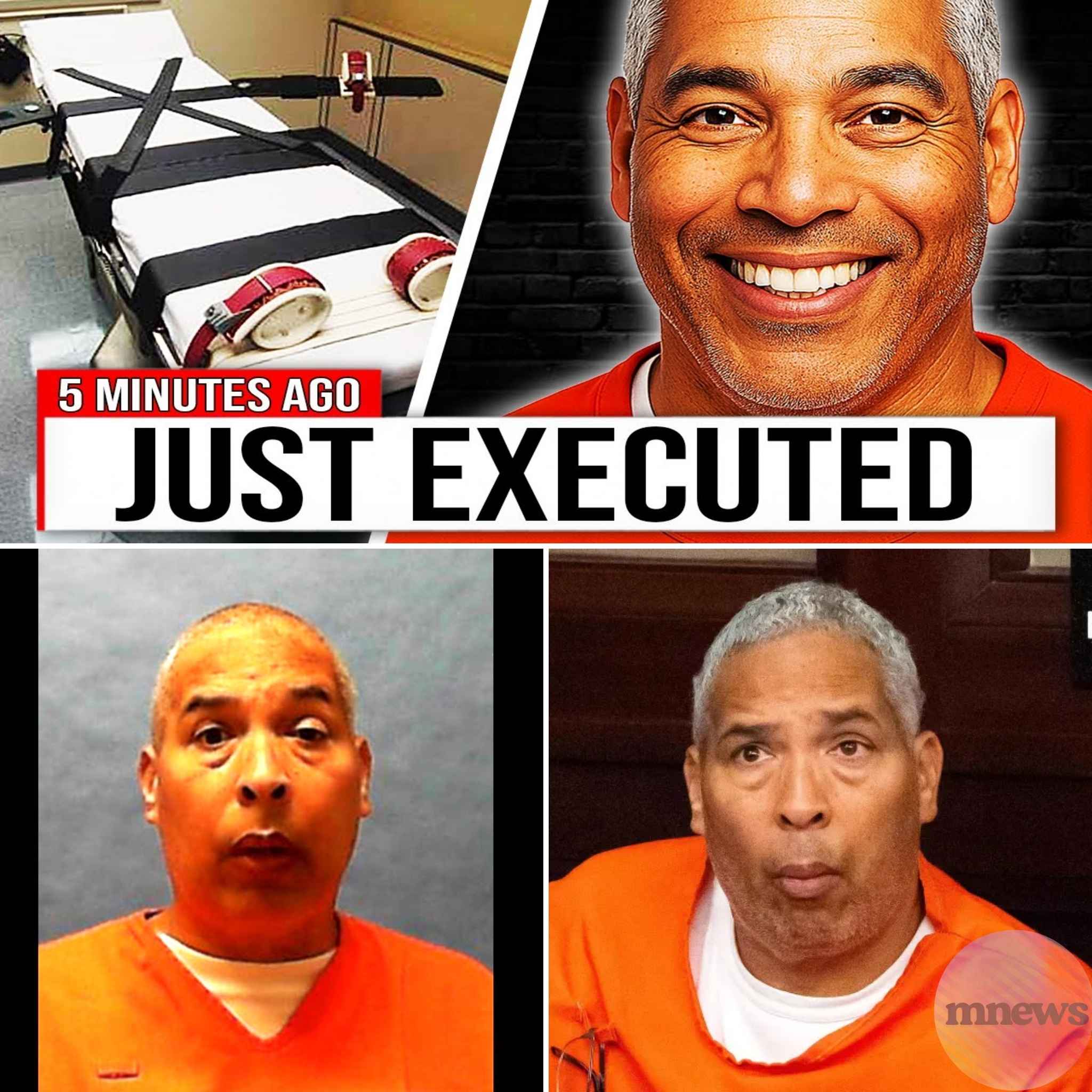
His execution proceeded after the U.S. Supreme Court denied a final appeal. That appeal was based on sworn recantations from two key trial witnesses who now allege their testimony was fabricated by investigators. The court found the new claims insufficient to overturn the convictions.
Bell’s final statement was brief and directed at the state. “Thank you for not letting me spend the rest of my life in prison,” he said from the execution gurney. He consumed a last meal of an omelette, bacon, home fries, and orange juice earlier in the day.
The execution marks the eighth carried out by Florida this year, a pace not seen in decades and cementing the state’s position as the nation’s most active death penalty jurisdiction. Governor Ronda Santis signed Bell’s death warrant in June.
Bell was convicted for the ambush killings of 22-year-old Jimmy West and 18-year-old Tama Smith outside a Jacksonville lounge on December 9, 1993. Prosecutors argued he mistakenly believed West was Theodore Wright, the man who had killed Bell’s brother months earlier.
The state’s case relied heavily on testimony from jailhouse informants Henry Edwards and Charles Jones. Both testified they witnessed the crime or heard Bell confess. They insisted they received no benefits for their cooperation during the 1995 trial.
That testimony has now been completely retracted. In sworn statements last month, both men alleged that a detective and a prosecutor coerced them into lying. Edwards claimed he was coached on what to say and threatened with jail time if he refused.
Charles Jones provided a similar account, alleging officials promised help with his own charges in exchange for false testimony about a murder weapon and confession. Bell’s legal team filed emergency motions citing this “fabrication” of evidence.
A circuit court judge rejected the motions, ruling the recantations were not credible and would not have changed the jury’s verdict. This cleared the final path for the execution to proceed as scheduled on Tuesday evening.
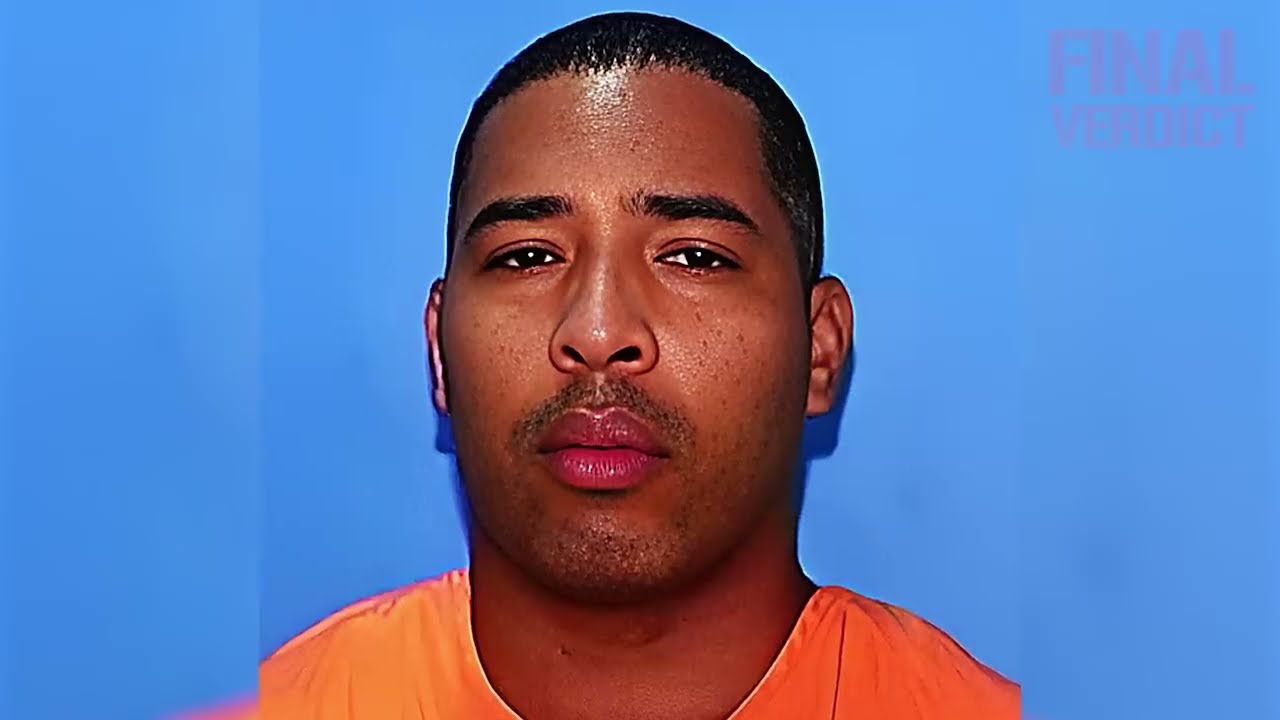
The crime itself was one of brutal, mistaken identity. Bell sought revenge for his brother Lamar’s death, which a court had ruled was self-defense. He armed himself with an AK-47 assault rifle purchased by his girlfriend, Erica Williams.
He targeted a yellow Plymouth he associated with Theodore Wright. Unbeknownst to Bell, Wright had sold the car to his half-brother, Jimmy West. Bell opened fire on West and passenger Tama Smith as they sat in the vehicle, killing them both.
A third woman in the backseat survived by curling onto the floorboard. Bell then sprayed gunfire toward a crowd outside the lounge before fleeing. Stray bullets struck a nearby house where children were present, though none were injured.
Bell was arrested a year later following the jailhouse informants’ tips. His girlfriend also testified, confirming she purchased the murder weapon for him the day before the shootings. This testimony provided critical physical evidence linking Bell to the crime.
At trial, Bell claimed self-defense, stating he believed West was reaching for a weapon. The jury rejected this argument, finding him guilty on two counts of first-degree murder and unanimously recommending death.
During the penalty phase, the state revealed Bell’s violent history, which he later confessed to. This included the 1989 murders of his girlfriend, Leon Coward, and her two-year-old son, Travis, and the 1993 killing of his mother’s boyfriend.
For these uncharged crimes, Bell received an additional 25-year sentence. The totality of his actions painted a picture of a man with a prolonged pattern of lethal violence, which heavily influenced the jury’s decision for death.
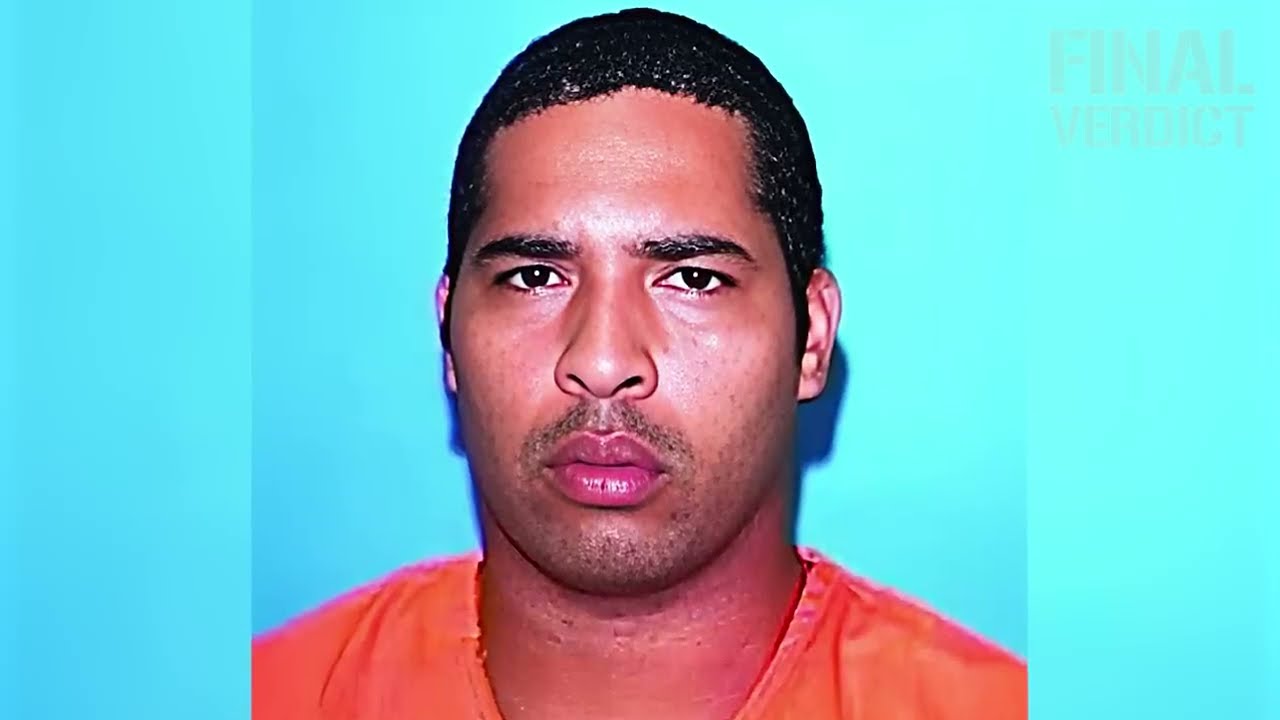
Bell spent the subsequent 30 years on death row while his attorneys filed numerous appeals. They argued racial bias tainted his trial, citing a prosecutor’s description of Bell as a man who “lived by the law of the jungle.”
Appellate courts consistently upheld the convictions and sentences. The recent witness recantations presented the most dramatic eleventh-hour challenge, alleging misconduct at the very foundation of the state’s original case.
Legal experts note such recantations are notoriously difficult to leverage post-conviction, as courts often view them with skepticism. The judge’s ruling emphasized the strength of the remaining evidence, including the girlfriend’s testimony and Bell’s own confessions.
The execution was witnessed by the victim’s family members and official witnesses. No personal witnesses attended on Bell’s behalf. The procedure began at 6:00 p.m. and concluded 25 minutes later with the official time of death.
Reaction to the execution is divided. Advocates for the victims’ families state that long-delayed justice has finally been served. Opponents of the death penalty point to the recanted testimony as proof of a broken and irreversible system.
The case underscores enduring debates over witness reliability, prosecutorial conduct, and the finality of capital punishment. With Florida’s execution schedule accelerating, these questions are likely to face increasing scrutiny in the coming months.
Michael Bernard Bell’s name has been added to the list of executed inmates in Florida. The legacy of the violence on that December night in 1993, and the long legal battle that followed, reached its conclusive, somber end in the prison’s execution chamber.