In a historic and controversial execution, Jesse Dean Hoffman Jr. was put to death in Louisiana on March 18, 2025, marking the state’s first use of nitrogen hypoxia as a method of capital punishment. After 26 years on death row, he faced his fate amid fierce debates over the ethics of his execution.

Hoffman, convicted for the brutal murder of 28-year-old Mary Molly Elliot in 1996, was sentenced to death after a harrowing series of events that began with her abduction from a parking garage. The case shocked the community, revealing a dark narrative of violence and betrayal that culminated in a gruesome crime.
On Thanksgiving morning, 1996, duck hunters stumbled upon Elliot’s naked body near the Middle Pearl River. She had been shot execution-style, and her husband was left to grapple with the horrific news after hours of searching for her. The investigation quickly pointed to Hoffman, whose alibi unraveled under police scrutiny.

Initially denying involvement, Hoffman’s story shifted repeatedly, ultimately leading to a confession. He admitted to kidnapping Elliot at gunpoint, forcing her to withdraw money from an ATM before taking her to a secluded area where he assaulted and murdered her. The evidence against him was overwhelming, sealing his fate.
For over two decades, Hoffman remained on death row, filing numerous appeals that were consistently rejected. His legal team argued against his execution by nitrogen hypoxia, claiming it constituted cruel and unusual punishment. They cited his traumatic childhood and mental health issues, but the courts upheld his sentence.
As the execution date approached, the controversy surrounding nitrogen hypoxia intensified. Critics argued that the method, which deprives the body of oxygen, could lead to a painful death. Despite these concerns, Louisiana proceeded with the execution, which had not occurred in the state for over 15 years.
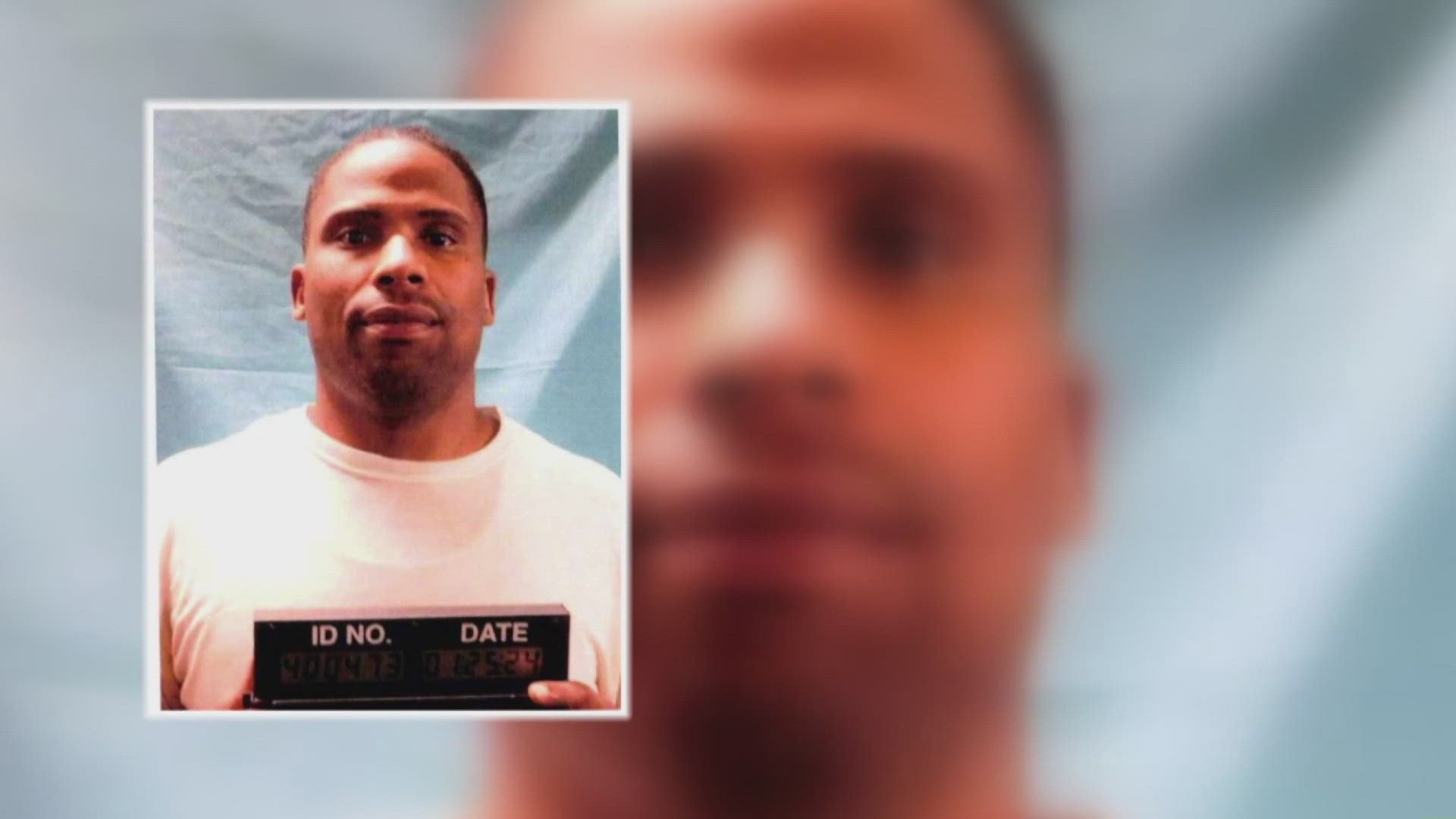
On the day of his execution, Hoffman declined a final meal and made no last statements. Witnesses included his wife, Ela, who stood by him throughout his incarceration. She expressed a profound sense of loss, believing the system had failed both her husband and the victim.
At 6:12 p.m., Hoffman was escorted into the execution chamber. Witnesses reported that he began twitching as the nitrogen gas took effect, but officials later stated that the procedure went as expected. He was pronounced dead at 6:50 p.m., leaving behind a complex legacy of love, regret, and unresolved questions about justice.
As the dust settles on this unprecedented execution, public opinions are sharply divided. Many grapple with whether true justice has been served in a case that has haunted Louisiana for nearly three decades. The haunting question remains: what does justice look like in a system that struggles to reconcile vengeance and redemption?