A seismic shift is shaking the foundations of Incan archaeology, as a groundbreaking study challenges the long-held purpose of Machu Picchu’s iconic terraces. For centuries, these agricultural marvels have been celebrated as the engineering backbone that fed the mountaintop citadel. New interdisciplinary research, however, posits a far more complex and critical function: sophisticated water management and foundational stability.
The research, led by a consortium of geologists, hydrologists, and archaeologists, utilized ground-penetrating radar and soil core analysis on terraces previously assumed to be solely for cultivation. Their findings reveal a meticulously layered internal structure more akin to a modern drainage system than simple farm plots. This subsurface architecture was designed not just to grow crops, but to combat the site’s greatest existential threats: torrential rains and catastrophic landslides.
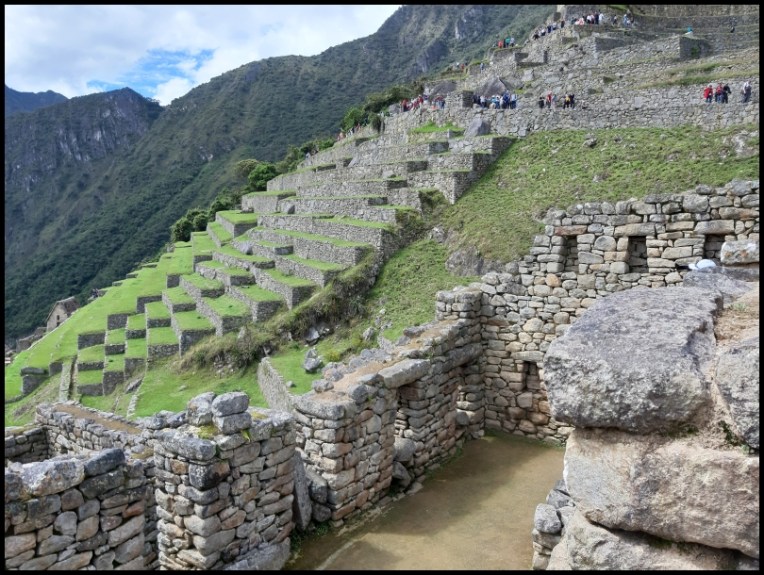
According to the study’s lead author, the terraces functioned as a “giant geo-textile,” a stabilizing latticework that anchored the entire city to the steep Andean slopes. Each terrace is a complex sandwich of stone, gravel, sand, and topsoil, engineered to redirect immense volumes of rainwater away from the foundational structures. This prevented saturation and erosion that would have swiftly destroyed the settlement, suggesting survival was as paramount as sustenance.
“We have fundamentally misunderstood these structures,” stated one geotechnical engineer involved in the project. “While they certainly supported agriculture, their primary design was for disaster mitigation. They are the reason Machu Picchu still stands today after centuries of abandonment and extreme weather. This was first and foremost a colossal feat of civil engineering.”
The analysis indicates that during the intense rainy season, the terrace system would have acted like a controlled aquifer, slowly releasing water through its layers to prevent surface runoff from gaining destructive force. This intricate drainage would have protected the intricate stonework of temples, palaces, and residential quarters situated further down the slope, effectively making the entire city’s longevity dependent on this hidden infrastructure.
This revelation forces a dramatic re-evaluation of Incan priorities and technical knowledge. It suggests the inhabitants of Machu Picchu were engaged in a constant, sophisticated battle with their environment, allocating enormous resources to sub-surface stability. The terraces were not merely farmland; they were the essential, unseen shield that made permanent habitation on such a precarious site possible.
The implications extend beyond Machu Picchu itself, prompting archaeologists to re-examine terrace systems at other Incan sites throughout the Sacred Valley. Early indications suggest similar engineering principles may have been applied widely, indicating a standardized and advanced understanding of hydrogeology and slope mechanics that was previously not attributed to the Inca at this scale.
Conservationists are heralding the study as a critical tool for future preservation efforts. Understanding the terraces as a dynamic water management system dictates new protocols for maintenance and restoration. Interventions must now consider hydrological flow to avoid accidentally creating new erosion points or water traps that could undermine the very structures meant to be saved.
Tourism officials anticipate updated interpretive materials, moving beyond the narrative of simple farming to explain the city’s ingenious adaptation to a volatile climate. This new story paints the Inca not just as master stonecutters and astronomers, but as peerless environmental engineers who sculpted the landscape to defy its own destructive tendencies.
The research, published in a leading journal of geoarchaeology, is already sparking vigorous debate within the academic community. While some scholars caution that agricultural and hydraulic functions were likely intertwined, the overwhelming evidence for a primary focus on stability and drainage is reshaping a cornerstone of Andean archaeological theory. The iconic image of Machu Picchu, it seems, has been hiding its most vital organ just beneath the surface.