Kale Bington Bates, a death row inmate who spent over 40 years fighting his conviction, was executed by lethal injection on August 19, 2025, at Florida State Prison. His final moments were marked by silence, as he declined a last meal and offered no final words, leaving behind a legacy of brutal crime and controversy.
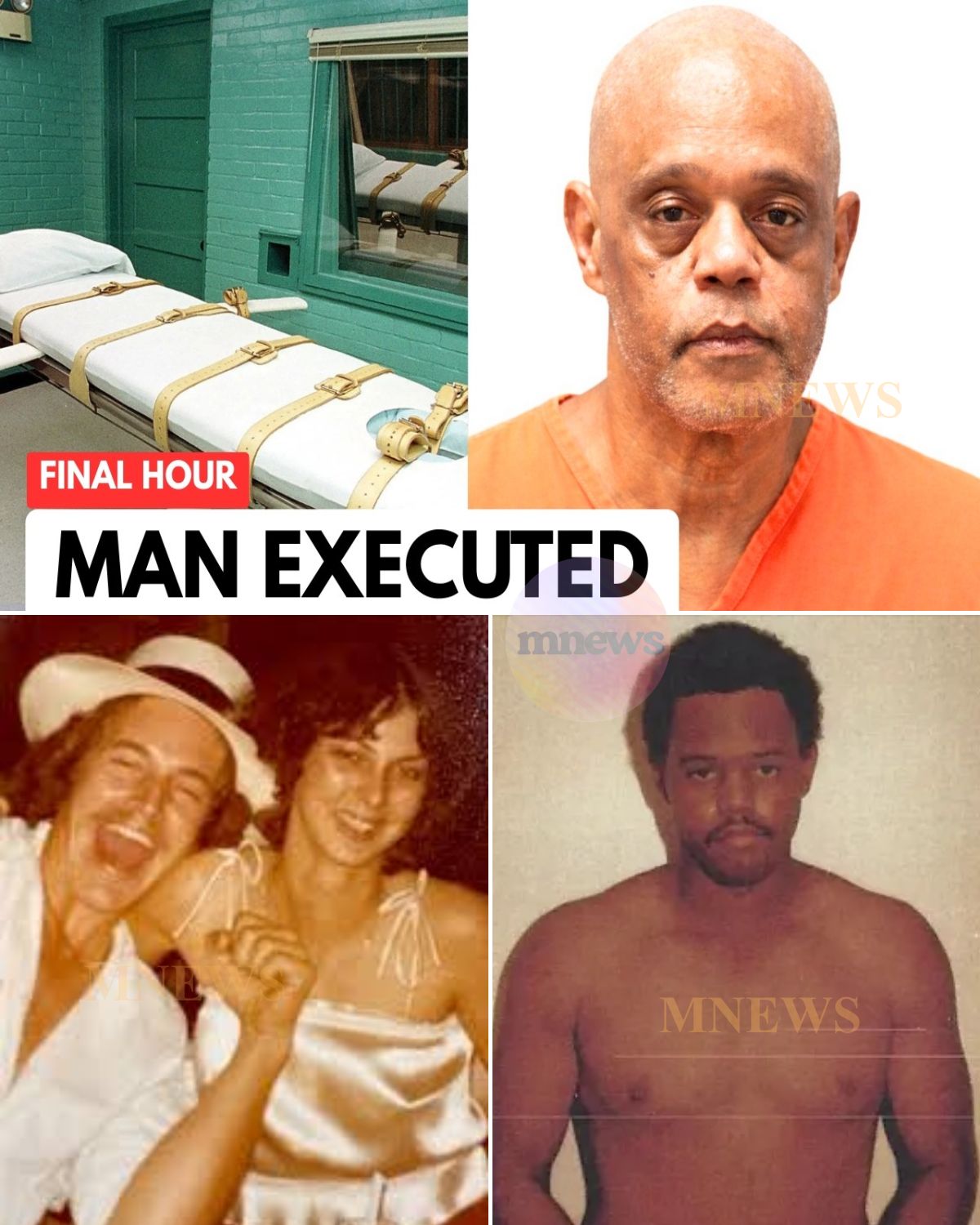
The execution unfolded against a backdrop of heightened tensions surrounding the death penalty in Florida, which was experiencing an unprecedented surge in executions. Bates was the 10th inmate executed in 2025, breaking the state’s record for a single year. Outside the prison, protests erupted as activists called for clemency, highlighting the complexities of justice and race within the legal system.
Bates’s story began on June 14, 1982, when he brutally murdered 24-year-old Janet White after abducting her from her workplace. The crime shocked the community and set off a relentless legal battle that lasted decades. Convicted in 1983, Bates’s initial death sentence was delayed by numerous appeals, including claims of racial bias and requests for DNA testing.
For 42 years, he remained on death row, witnessing the world change dramatically outside prison walls. His case garnered attention not only for its length but for the moral implications surrounding capital punishment, especially in light of his military service and the racial dynamics that permeated his trial.
On execution day, Bates awoke knowing he would not see another sunrise. He spent his last hours with family, choosing to forgo spiritual guidance. His refusal of a special last meal underscored a chilling acceptance of his fate. At 6 p.m., he was led into the execution chamber, strapped to a gurney, as witnesses—including Janet White’s widower, Randy—watched in silence.
When asked for final words, Bates simply said “no,” a stark rejection of any further dialogue. The execution proceeded swiftly, with the lethal chemicals administered just moments later. Within minutes, he was pronounced dead, marking the end of a long and painful chapter for all involved.

Reactions to the execution were immediate and polarized. For some, it represented a long-awaited justice for Janet White’s family, while for others, it highlighted the flaws within the justice system and the ongoing debate over the death penalty. The execution was not just a conclusion but a reminder of the complex narratives surrounding crime, punishment, and redemption.
As the dust settles on this tragic story, questions linger about justice, morality, and the future of capital punishment in America. Bates’s life, marked by violence and a lengthy legal struggle, serves as a poignant case study in the ongoing discourse about the death penalty and its ramifications on society.