A shocking and newly surfaced video has ignited a firestorm of speculation, directly linking incarcerated former gang leader and nonprofit figure Eugene “Big U” Henley Jr. to one of Los Angeles hip-hop’s most enduring cold cases: the 2017 murder of Steven “Fats” Donaldson, the childhood best friend and business partner of the late Nipsey Hussle.
The leaked footage, spreading rapidly across social media and podcast platforms, alleges to show Big U involved in the killing. This visual claim has forced a painful question back into the spotlight, one law enforcement has never officially answered. Did the man now facing a massive federal RICO indictment have a hand in Fats’ death?
Authorities have not charged Big U with this specific crime. His 43-count federal indictment, unsealed in March 2025, details a litany of alleged offenses including racketeering, extortion, fraud, and a separate 2021 murder. Yet, the online allegations draw a direct line through a complex web of loyalty, betrayal, and violence within South Los Angeles.

To understand the connection, one must revisit the foundational bond between Fats and Nipsey Hussle. Steven Donaldson was far more than an associate. He was a co-founder of All Money In Records, present at the absolute inception of the empire. He was the embodiment of the “marathon.”
When Hussle signed his landmark deal with Atlantic Records in 2017, he publicly vowed Fats would remain a partner, his percentage reserved “even in death.” This profound loyalty makes the subsequent tragedy all the more devastating.
On September 29, 2017, Fats was working as a security guard at a Hyde Park dispensary. A light-colored sedan drove past. Gunfire erupted from within. The 30-year-old ran inside and collapsed, pronounced dead at the scene. The case went cold almost immediately, with no suspects ever named publicly.
For Nipsey Hussle, then on the cusp of global fame with a Grammy nomination and his “Victory Lap” album nearing completion, the loss was crippling. Friends say he could never fully celebrate his success without Fats. His grief poured into tracks like “Racks in the Middle,” a raw lament for a fallen brother.
Less than two years later, Hussle himself was murdered outside his Marathon Clothing store. Eric Holder was convicted for that killing. Fats’ murder, however, remains shrouded in official silence, an open wound in the community.
Enter Big U. A former leader of the Rollin’ 60s Neighborhood Crips, Henley reinvented himself post-prison as a community peacemaker and nonprofit director. He also formed an early, fateful connection with the young Nipsey Hussle, both members of the same neighborhood set.
Federal prosecutors now allege that benevolent image was a facade. They describe the “Big U Enterprise,” a mafia-like operation running from 2010 to 2025, funded by embezzled charity dollars—including funds from celebrities and city programs—and enforced through violence.
The relationship between Big U and Hussle curdled. The indictment references a dispute over equipment at Big U’s shop, leading Hussle to release a diss track targeting the older figure. Publicly, Big U claimed they reconciled.
Privately, federal wiretaps tell a darker story. In calls from late 2022, years after Hussle’s death, Big U was allegedly heard stating he had “disciplined” Nipsey and was “bigger than” him. On another call, he allegedly declared anyone who beefed with him would be killed.
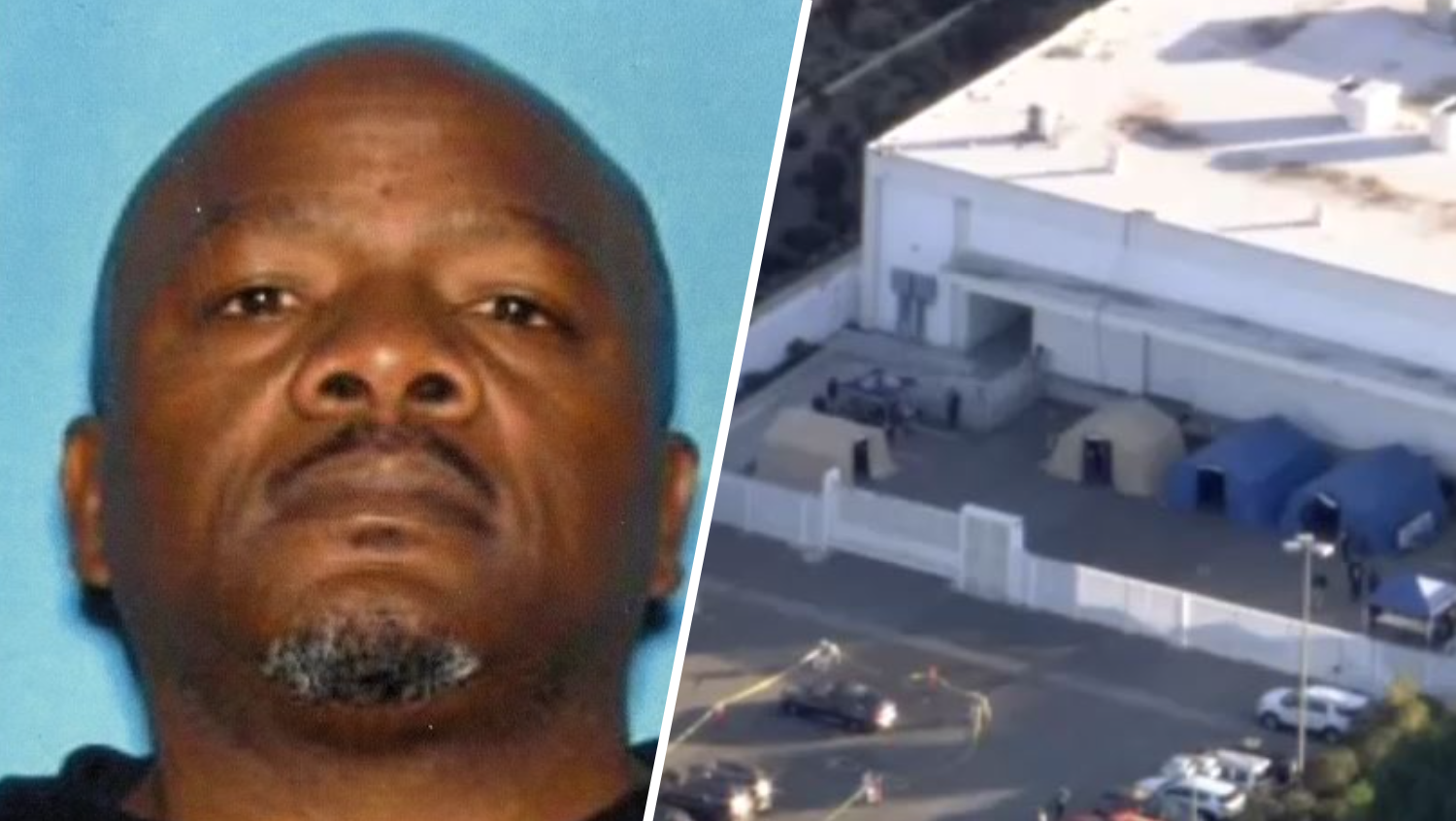
This pattern is central to the government’s case. They charge that Big U ordered the 2021 murder of rapper Ray Shawn Williams for recording a diss track about him. The alleged motive is starkly similar to the origins of his beef with Hussle.
The internet’s theory is now taking shape: If Big U allegedly ordered a hit over a musical disrespect, and had a documented, lingering animosity toward Nipsey Hussle, then what about Fats? As Hussle’s closest ally and institutional pillar, Fats represented a key source of strength.
The allegation suggests Fats was a target to isolate and weaken Hussle before a direct move. This theory gained explosive traction when podcaster “Loose Cannon” alleged Big U had prior knowledge of Hussle’s murder. Big U responded with a cease-and-desist letter—a document federal investigators later sought as evidence.
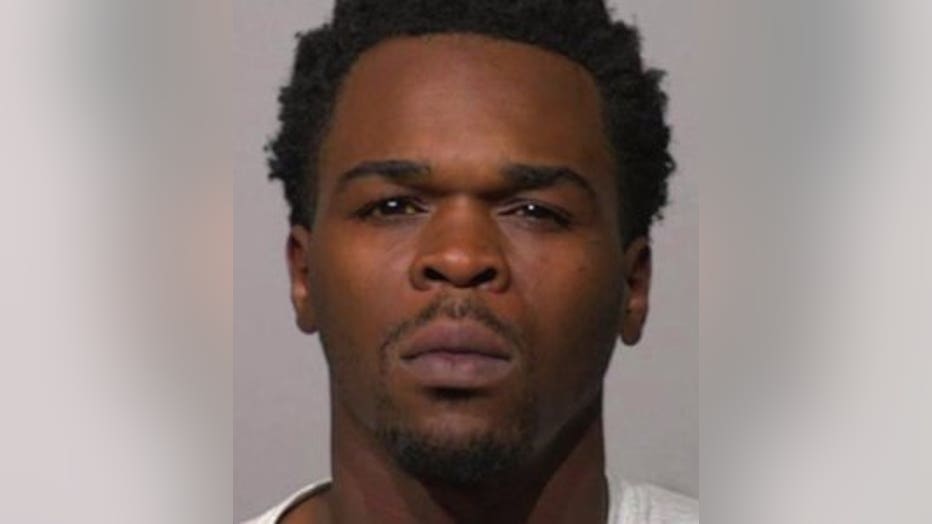
This move signaled the government’s interest in the nexus between Big U and the deaths surrounding Hussle. The superseding indictment in early 2026 references the beef more directly, though no charges have been filed.
Adding to the murky history, former Death Row artist Snoop Dogg’s ex-bodyguard, SKG, has publicly accused Big U of terrorizing the community and orchestrating Hussle’s murder. She also claims complex, shifting alliances, alleging both Hussle and Fats were once aligned with Big U against her.
This underscores the tangled, layered relationships within this circle, where loyalties were fluid and dangerous. It makes assigning clear motive in Fats’ killing profoundly difficult, yet the unanswered questions grow louder.
The cycle of violence continues. In October 2025, Big U’s son, Jabari “Baby Ulie” Henley, was shot and killed in South Los Angeles. No arrests have been made. The echoes of the past seem unending.
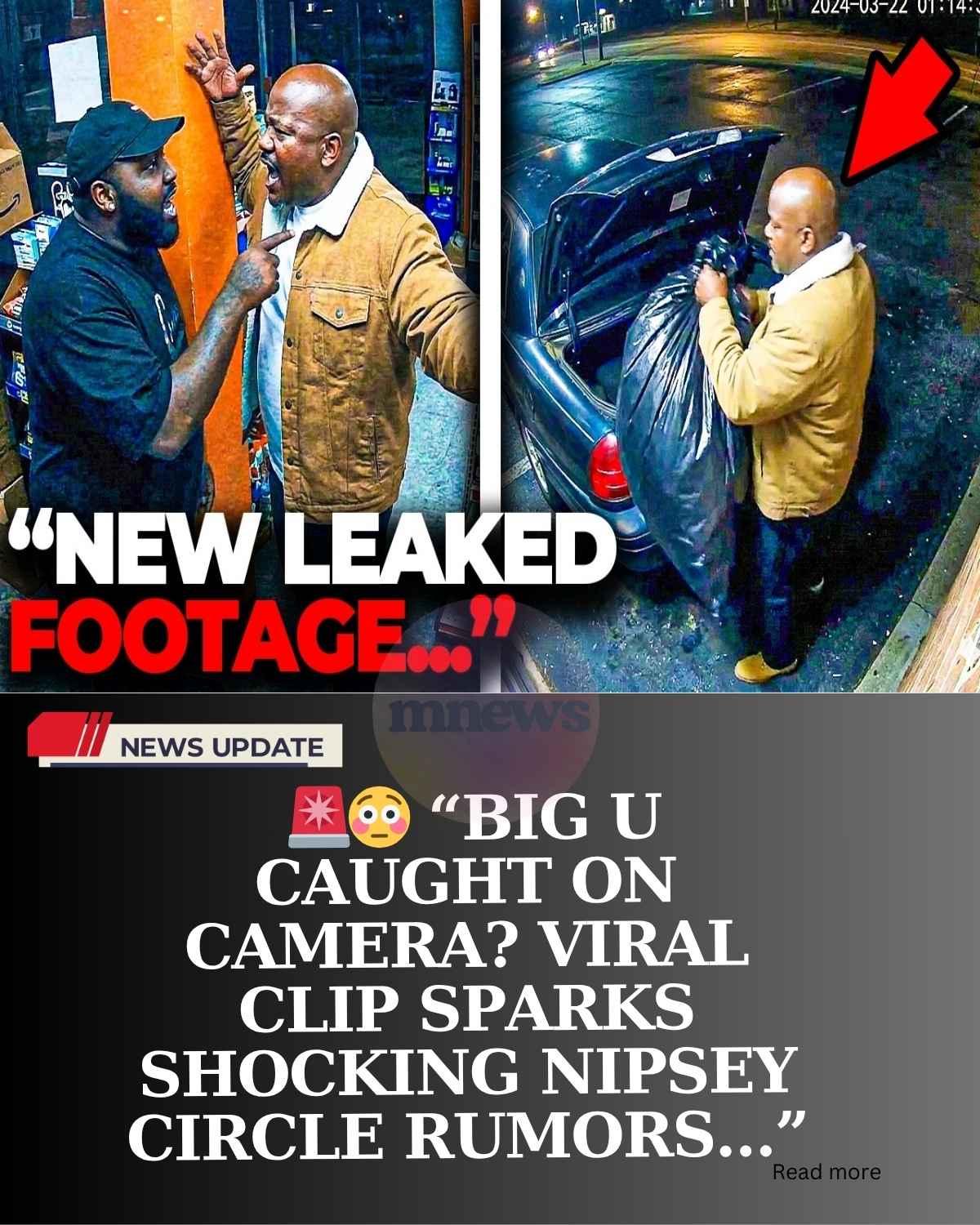
Where does this leave the mystery of Steven “Fats” Donaldson? Confirmed facts are few. Big U sits in federal custody, denied bail, facing trial for a catalog of crimes under the RICO Act. Prosecutors have painted him as a ruthless predator who ruled through fear.
Allegations abound, from online commentators to former insiders, linking him to both the Hussle and Fats murders. Federal prosecutors have shown clear interest in exploring that link. But as of now, they remain allegations.
What remains is the cold, hard reality of an unsolved murder. Eight years later, the question of who killed Fats—the believer, the foundation, the friend—haunts the legacy of the marathon. Until that question is answered, whether in a federal courtroom or an LAPD investigation, a chapter of this story remains violently unfinished.
Nipsey Hussle’s own words now ring with a haunting prescience. He rhymed about the agony of achieving “all this money, all this power” and still being unable to bring back the one who helped build it. The search for accountability for Fats continues, a silent marathon all its own.