Mel Gibson is poised to redefine the cinematic portrayal of Jesus Christ with his upcoming film, “The Resurrection of the Christ.” Drawing from the rarely seen Ethiopian Bible, Gibson aims to present a version of Jesus that diverges significantly from traditional Western depictions, promising a cosmic and transformative narrative.

Production is currently underway at Cinatita Studios in Rome, with Gibson describing this project as the most important of his career. Scheduled for a two-part release, the first installment is set to debut on Good Friday in 2027, followed by the second part 40 days later.
What sets this film apart is its ambitious scope, moving beyond a straightforward narrative. Gibson intends to connect the resurrection with events across time, exploring the fall of angels and even descending into hell. This approach is a radical departure from typical religious films, which often shy away from such themes.

The inspiration for Gibson’s narrative draws heavily from the Book of Enoch, an ancient text preserved within the Ethiopian Bible but excluded from mainstream Christian canon. This text presents a powerful portrayal of a cosmic figure, resonating with imagery found in the Book of Revelation, suggesting a deeper, interconnected religious tradition that has been largely overlooked.
For centuries, Ethiopian monks have safeguarded these writings, which include not just the Book of Enoch but also other significant texts that shape a broader understanding of Christ and divine authority. These manuscripts survived despite efforts to suppress them, providing a unique lens through which to view early Christian beliefs.
Gibson’s film aims to challenge the sanitized image of Jesus often depicted in Western art. Instead of a comforting figure, the Jesus portrayed in Ethiopian texts is cosmic, powerful, and awe-inspiring. This shift in representation could alter how audiences perceive the nature of Christ and the theological implications of his life and resurrection.
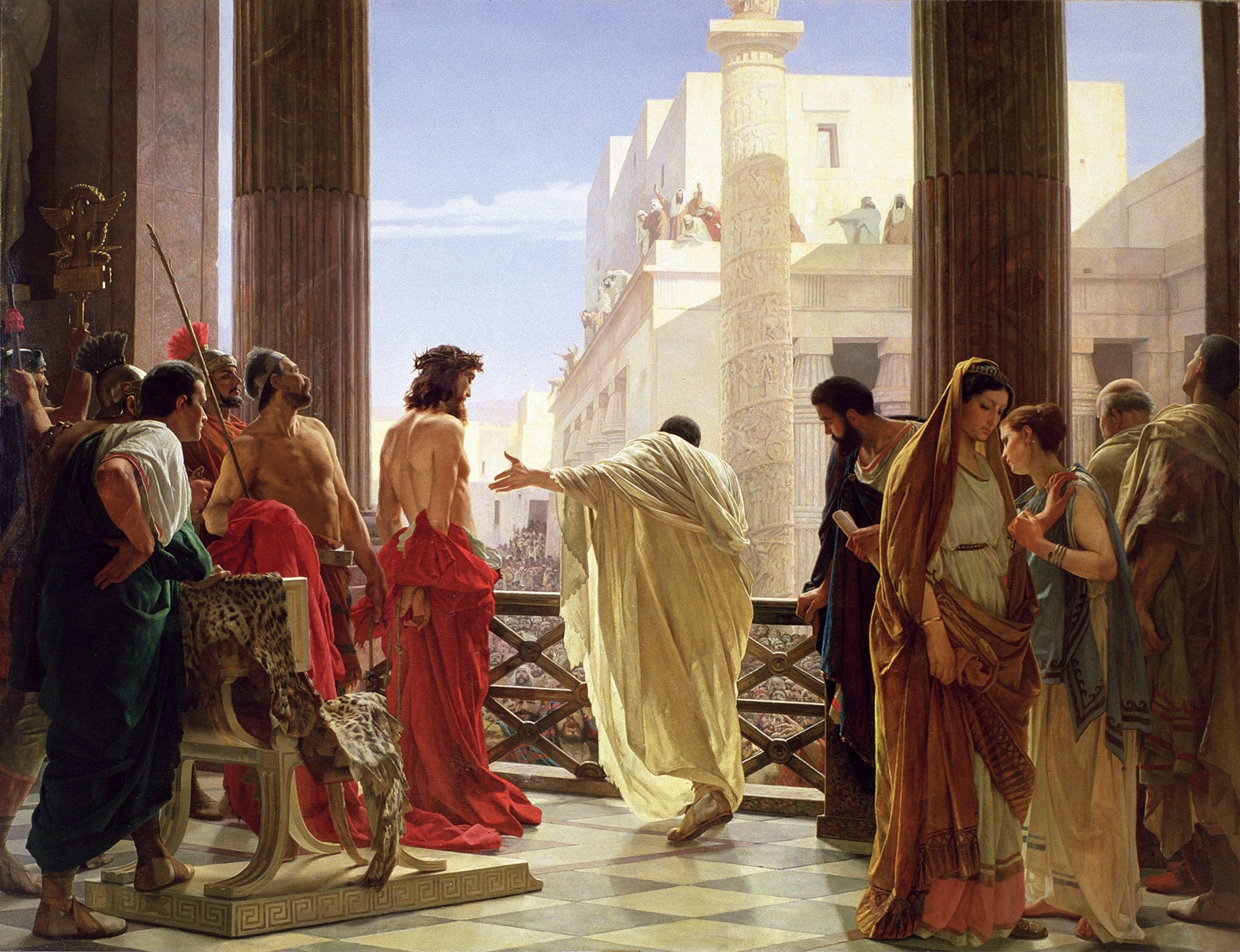
As Gibson prepares to unveil this ambitious project, questions arise about the broader implications of rediscovering these ancient texts. If this version of Jesus resonates with viewers, it may spark renewed interest in the hidden traditions of Christianity preserved in Ethiopia and challenge the established narratives that have dominated Western thought.
With the world awaiting this groundbreaking film, the anticipation grows. Will Gibson’s portrayal of Jesus, influenced by centuries-old Ethiopian traditions, resonate with modern audiences? As the release date approaches, the potential for a transformative cinematic experience looms large on the horizon.