Missouri executed Kelvin Johnson Jr. last night for the 2005 murder of Kirkwood police sergeant William McInty, bringing a controversial death row saga to a close. Johnson’s final hours, last words, and the pain behind his crime highlight a tragic story of grief, justice, and decades of systemic failure.
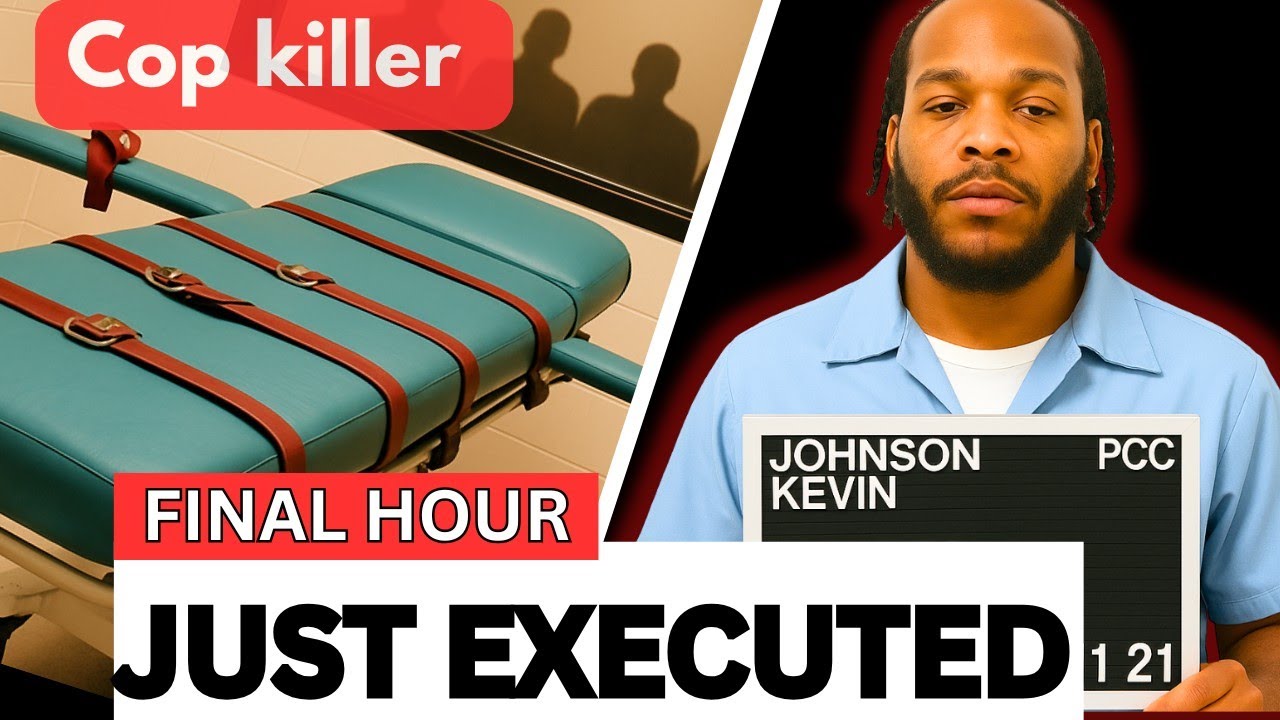
At approximately 6:00 p.m., Missouri authorities carried out the lethal injection of Johnson at Eastern Reception, Diagnostic, and Correctional Center in Bonne Terre. The execution punctuated a legal battle spanning 17 years, rooted in a tragic July day when Johnson lost his younger brother.
Johnson was convicted of ambushing Sergeant William McInty, firing multiple shots, including two fatal shots while McInty lay injured in his patrol car. The killing rocked the Kirkwood community and ignited fierce debates over justice and racial bias in the Missouri judicial system.
Witnesses recounted Johnson’s stated motive: intense grief and rage after police allegedly stood by without assisting his 12-year-old brother, Joseph “Bam Bam” Long, who died from a congenital heart condition during a police search of the family home.
Johnson, just 19 at the time, reacted to the trauma of his brother’s death amid police protocol. He blamed Sergeant McInty directly for the delay in help and snapped upon seeing the officer responding to a minor disturbance hours later.
The shooting upset the local community and law enforcement, triggering an immediate manhunt for Johnson. He surrendered peacefully the following day, carrying the heavy weight of grief and a devastating charge that made him eligible for the death penalty.
Throughout his trial, prosecutors painted Johnson as a cold-blooded killer, emphasizing the premeditated nature of the ambush and the brutal final shots that ended McInty’s life. The jury convicted him but deadlocked on sentencing, leaving the judge to impose death.
The case sparked controversy for years over claims of prosecutorial misconduct and racial bias. Critics argued the death sentence was disproportionately harsh and emblematic of Missouri’s aggressive pursuit of capital punishment, especially against Black defendants accused of killing police officers.
Johnson spent nearly two decades on death row appealing his sentence. Despite numerous legal challenges highlighting systemic issues, Missouri’s governor ultimately rejected clemency requests, sealing Johnson’s fate with the execution scheduled for November 29, 2022.
On his final day, Johnson calmly accepted the inevitability of his execution. His last meal was a simple prison meal, and his final statement expressed remorse, love for his daughter and family, and gratitude to supporters, underscoring a complex and haunted figure behind the headlines.
Outside the prison, hundreds of protesters gathered in freezing weather, carrying signs and candles, chanting demands for justice and clemency. Clergy and activists fiercely contested the execution, citing racial injustice and the flawed handling of Johnson’s case from the start.
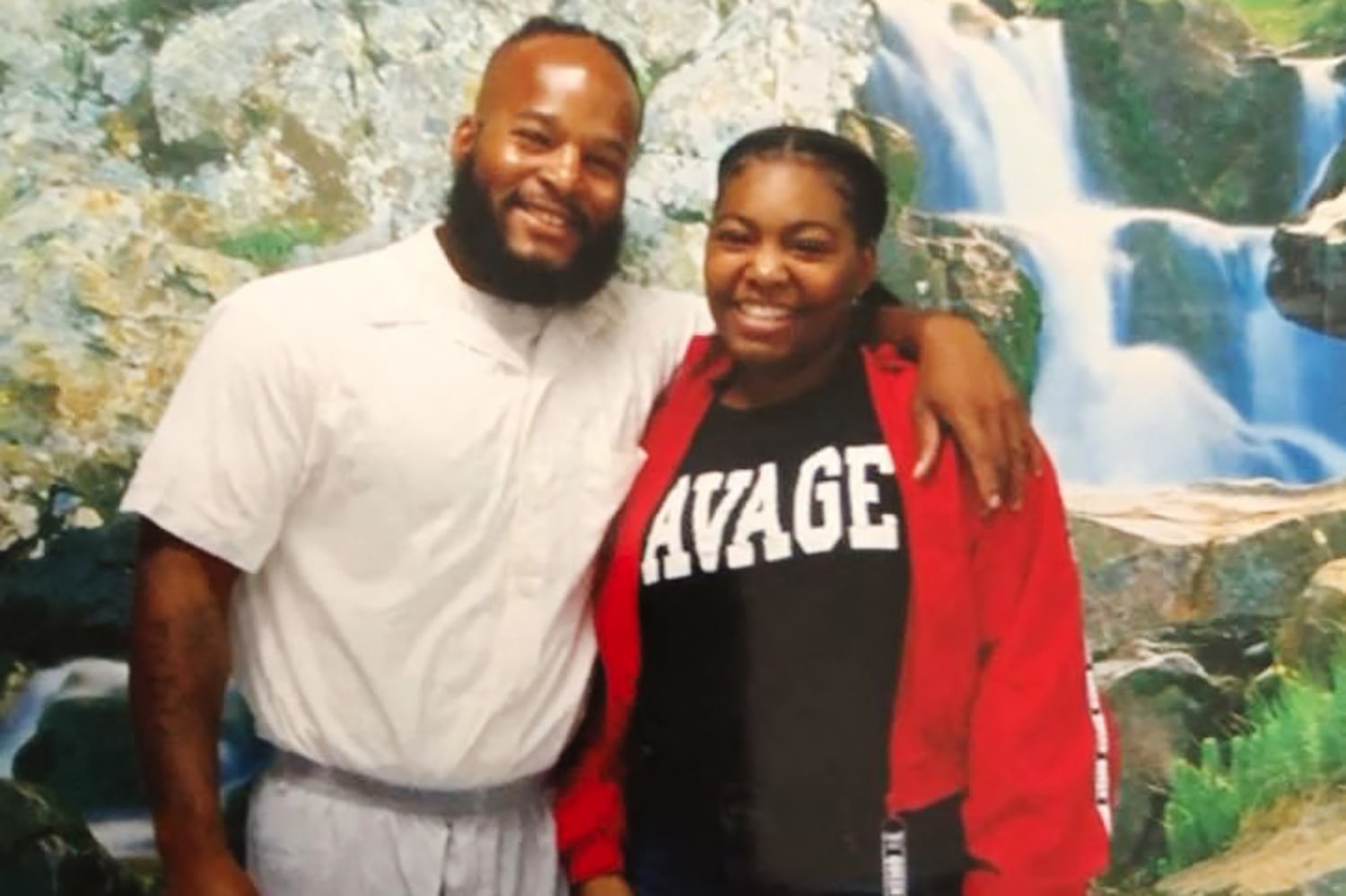
Johnson’s daughter, Cory, barely 19 years old, was denied the right to witness his last moments, a heartbreaking decision that underscored the emotional toll of the execution on surviving family members. She received a final letter from Johnson urging her to remain strong and tell the truth.
Behind the tragedy lies a portrait of brokenness—a childhood scarred by his father’s incarceration for murder and his mother’s struggle with addiction. Johnson had been a protective brother to Bam Bam, a boy fighting for survival with a fragile heart.

The day Bam Bam died, police presence and protocol collided with family despair, creating a moment that would irrevocably alter Johnson’s path. His grief exploded in violence, but many ask whether the punishment meted out was truly justice or retribution born of systemic neglect.
Missouri’s death penalty remains one of the nation’s most vehemently enforced, especially in cases involving the killing of law enforcement officers. Johnson’s case has become emblematic of debates over capital punishment, racial disparities, and the quest for meaningful reform.

As Johnson took his last breath, the state ended a bitter chapter. Yet, the questions his case raises about racial injustice, legal fairness, and the price of vengeance linger on in public consciousness and contested courtrooms alike.
The execution of Kelvin Johnson Jr. concludes a painful narrative that intertwines loss, rage, and a justice system stretched to its limits. It leaves behind a community mourning a fallen officer, a family shattered by grief, and a society grappling with its definitions of justice.