A profound and silent shift in the history of life on Earth has been documented in a haunting visual archive, a series of images representing the final moments of species now lost forever. These photographs, captured across more than a century, serve as stark obituaries for creatures great and small, each frame marking the irreversible quieting of a lineage that had endured for millennia. From bustling flocks that darkened skies to solitary giants waiting in vain, these are the last testaments to biological diversity extinguished by human action.
The collection opens with the passenger pigeon, a species once so numerous its migratory flocks were said to blot out the sun. The final image is not of a billion-strong cloud, but of a single bird named Martha, lying deceased on the floor of her Cincinnati Zoo cage in 1914. Her body, preserved in ice and photographed for science, underscores a catastrophic collapse from abundance to absolute zero within a human lifetime.

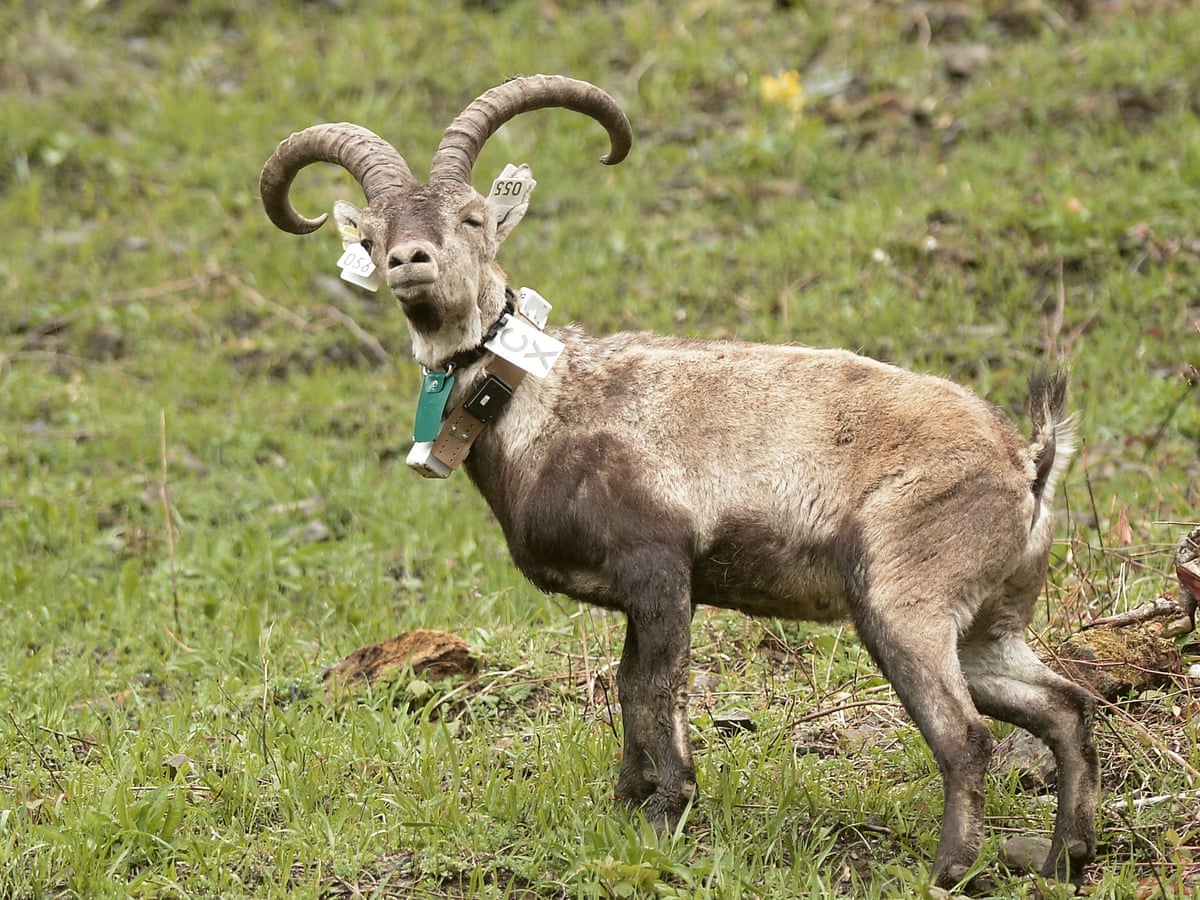
Equally poignant is the case of the Pyrenean ibex, a mountain goat supremely adapted to Europe’s steepest cliffs. The last known individual, a female named Celia, was photographed standing alone on a bare rock ledge before her death in 2000. In a tragic postscript, a clone created from her cells lived only minutes, making this ibex the first species to go extinct twice.
The visual record reveals patterns of loss across ecosystems. In Thailand, the last Schomburgk’s deer, its antlers like a tangled crown, was photographed in a Berlin zoo pen in 1911 before the final survivor was stabbed to death at a temple. In Africa, the last grainy field shots of the Western black rhino show a lone figure in tall grass, its horns having sealed its fate to poachers.

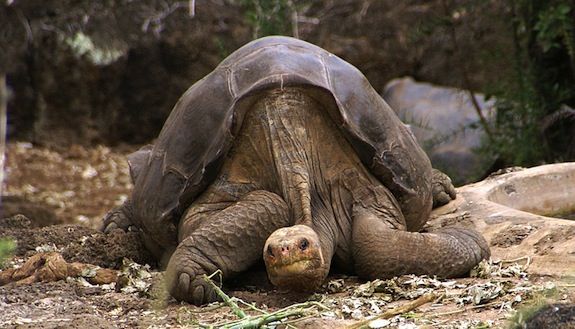
Some final photographs are icons of loneliness. The Pinta Island tortoise known as Lonesome George was photographed for decades in his corral, his long neck raised, a symbol of futile hope until his death in 2012 ended his species. Similarly, the last male golden toad was captured on film in 1989, a vibrant orange spot against a Costa Rican cloud forest floor, never to be seen again.
The archive includes species lost before they were fully understood. The gastric-brooding frog, which incubated its young in its stomach, was photographed with a froglet peeking from its mouth just years before it vanished from Australian streams. Its remarkable biology is now studied only from preserved specimens.

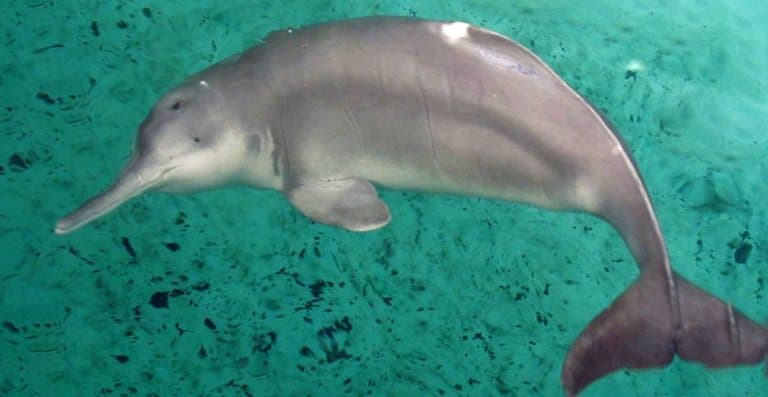
Aquatic realms offer their own ghosts. The baiji, or Yangtze River dolphin, was last definitively photographed as a pale blur breaking the river’s brown surface. An intensive six-week search in 2006 failed to find a single one, declaring the “goddess of the Yangtze” functionally extinct after 20 million years.
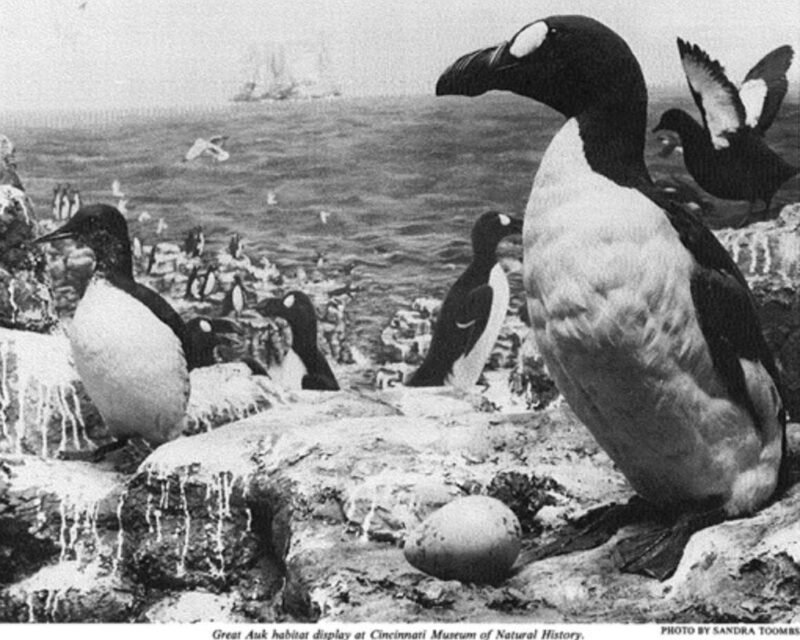
For some species, the camera arrived too late. There is no photograph of a living dodo or great auk. Their final images are museum shots of stuffed skins and eggs behind glass. The hearts of the last great auk pair, killed in 1844, are preserved in jars, a chilling scientific relic of the finality of extinction.
The gallery charts the erosion of predators from their domains. The last confirmed Caspian tiger, one of the largest felids ever, exists only in faded hunting photos where its striped body is laid out in the snow. The smallest tiger, the Bali tiger, is frozen in time as a thin, defeated creature sprawled before hunters in the 1930s.

North America’ losses are vividly recorded. The eastern cougar’s end is documented in grim trophy shots, hunters posing with the long-bodied cats in the snow. The Carolina parakeet, the continent’s only native parrot, ended with a male named Incas dying alone in a Cincinnati Zoo cage in 1918, years after the last wild bird was shot.
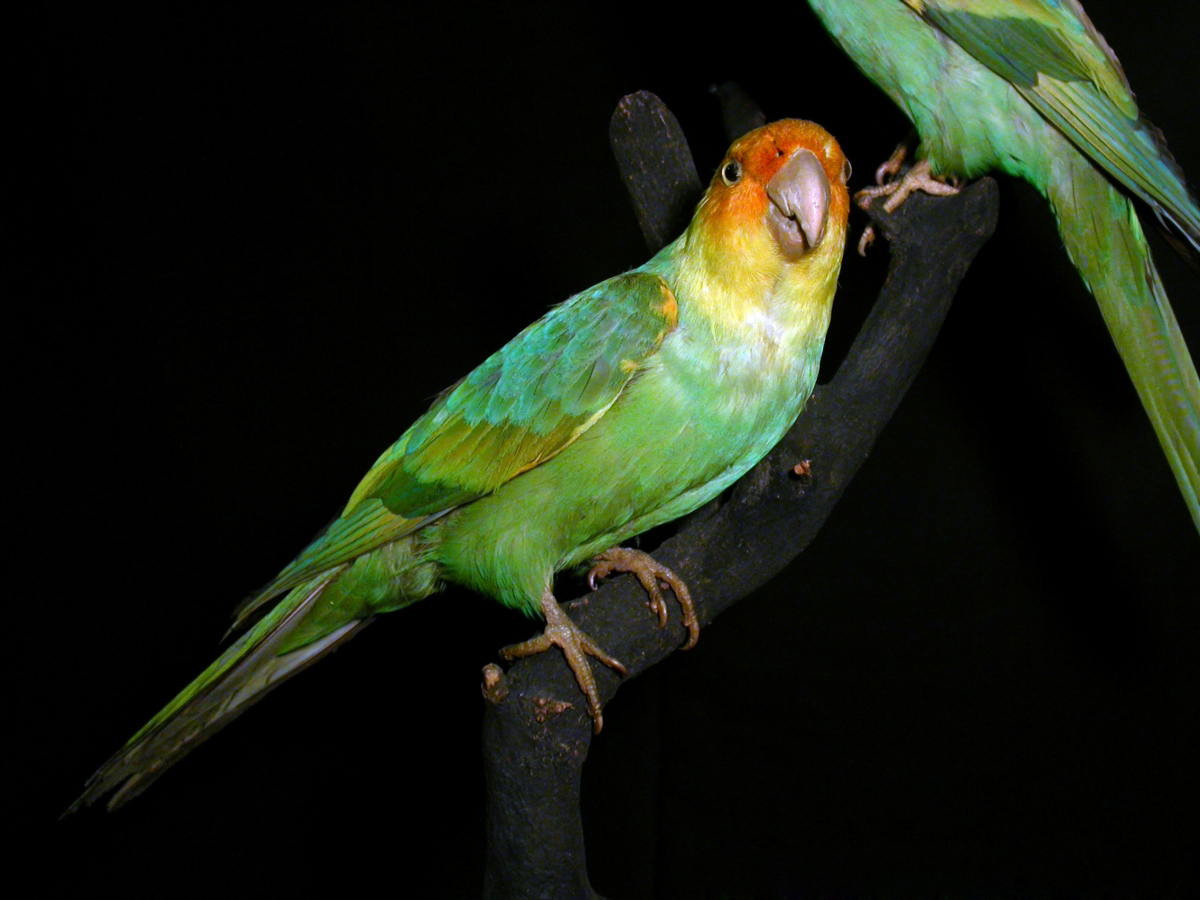
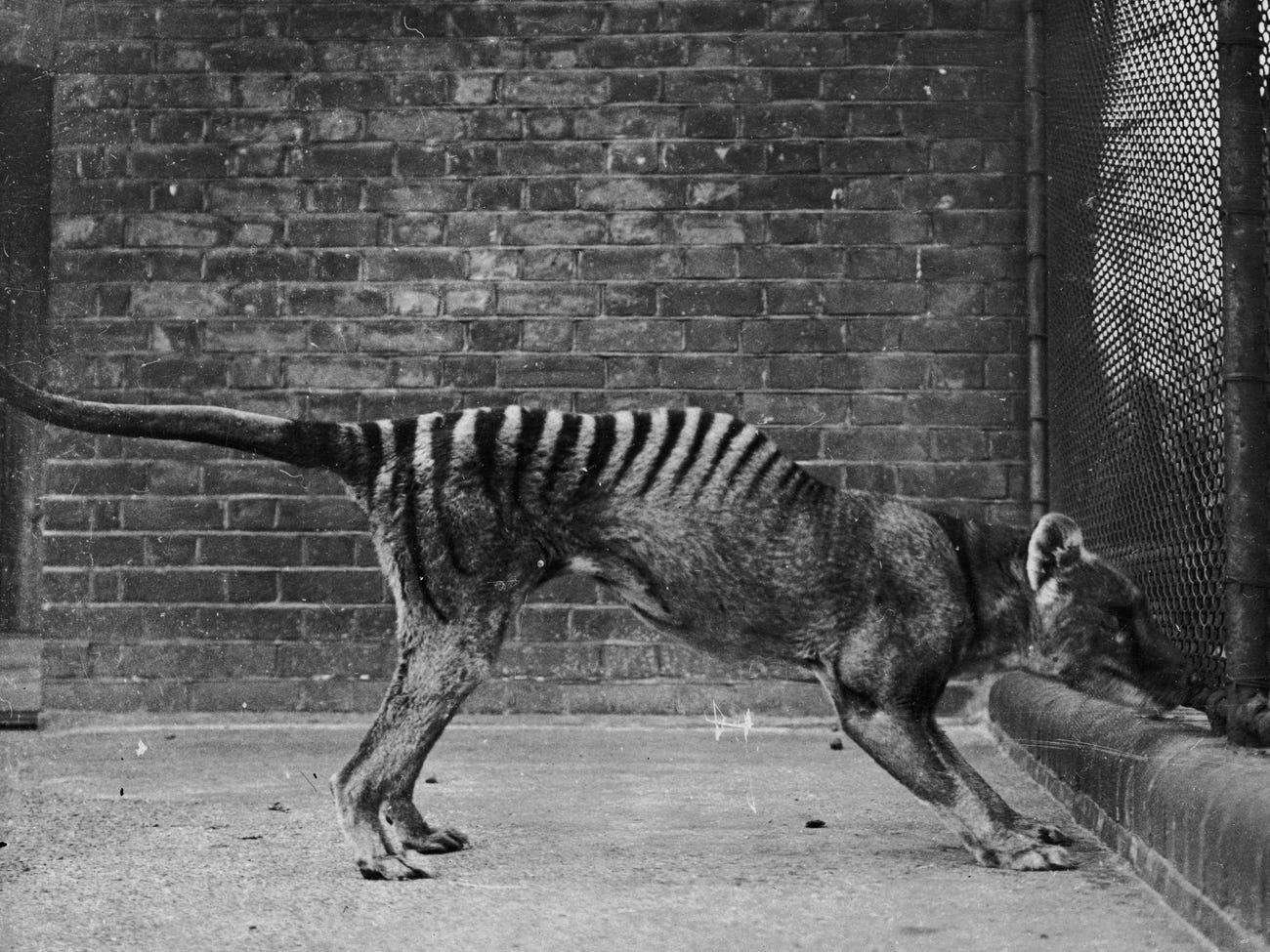
Island species, uniquely vulnerable, feature prominently. The thylacine, or Tasmanian tiger, lives on in a brief 1933 film clip, pacing its zoo enclosure and yawning widely just years before the last individual died. The Norfolk Island parrot survives only as a faded stuffed specimen, its vibrant colors lost to time.
The series includes species whose final moments were witnessed by just a handful of people. The last Japanese river otter was captured in a grainy 1979 photo, turning its head at the water’s edge. The final Lac rail was seen sprinting on Midway Atoll in 1944, its habitat overrun by wartime rats.

Each image carries a devastating weight, transforming from simple record to profound memorial. A photo of the last dusky seaside sparrow, a small dark bird with a band on its leg, or the last heath hen, “Booming Ben,” puffing his chest into empty air, are now biological epitaphs. They are not just pictures of animals, but of irreversible absences.

The compilation concludes with the pink-headed duck, a bird of such surreal beauty it seemed painted. Its final photographs show it standing beside a tray, its soft pink head now only a memory in faded museum skins. This visual journey from the passenger pigeon to the pink-headed duck forms a powerful and urgent chronicle of loss.
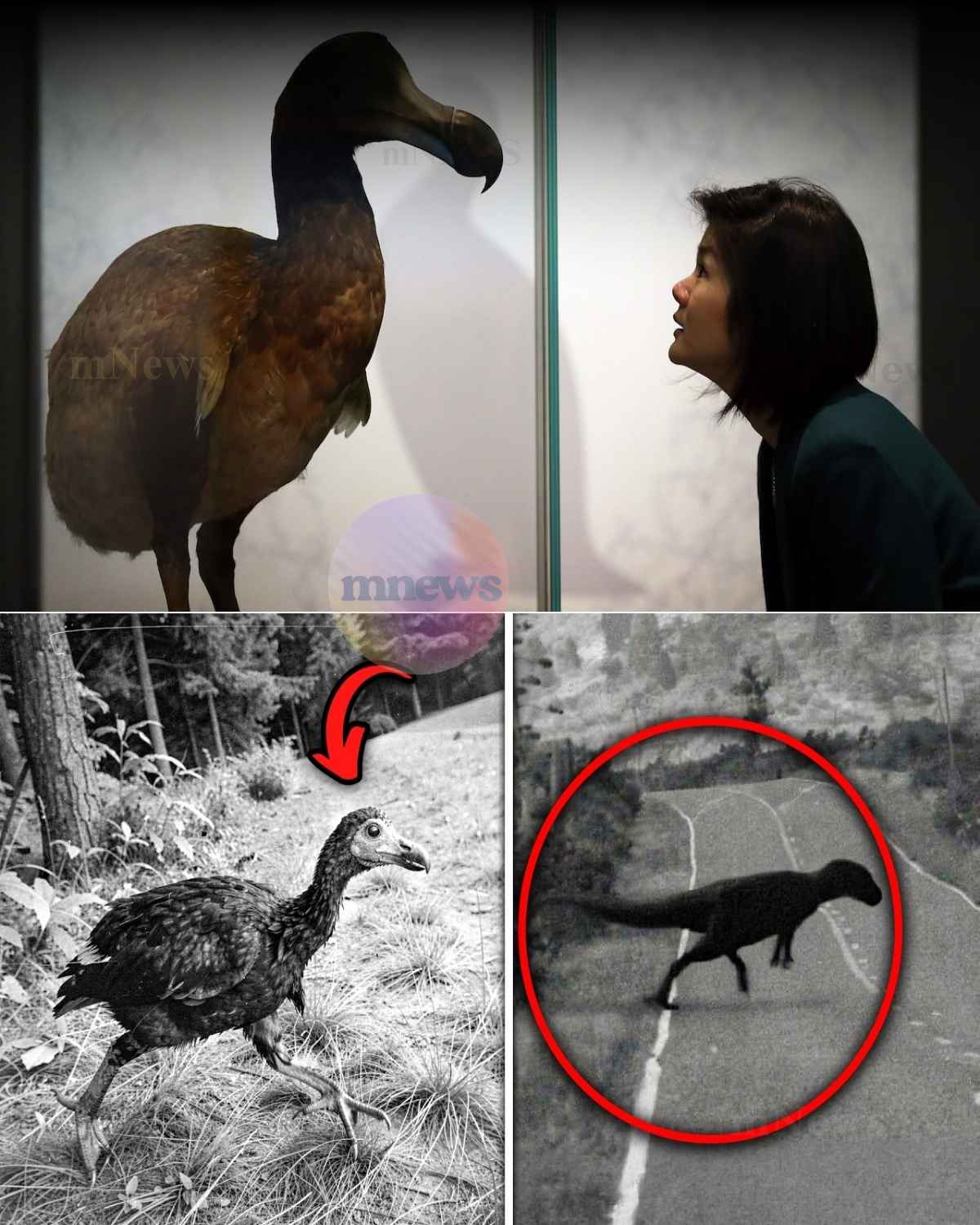
These 28 final portraits collectively serve as an indelible warning. They are evidence of moments when the world shrank, when a unique thread of evolution was cut. In their silent testimony, they demand accountability, underscoring that extinction is not an abstract concept but a documented event, with a time, a place, and too often, a photograph. The series stands as a solemn reminder that the camera, which captured their ends, also bears witness to our responsibility for the future of biodiversity.