In a harrowing conclusion to a controversial case, Alfred Bourgeois was executed on December 11, 2020, after spending 16 years on federal death row for the murder of his two-year-old daughter, Jakaran. His last words echoed his innocence, igniting a fierce debate over the integrity of the justice system and the validity of the evidence used against him.
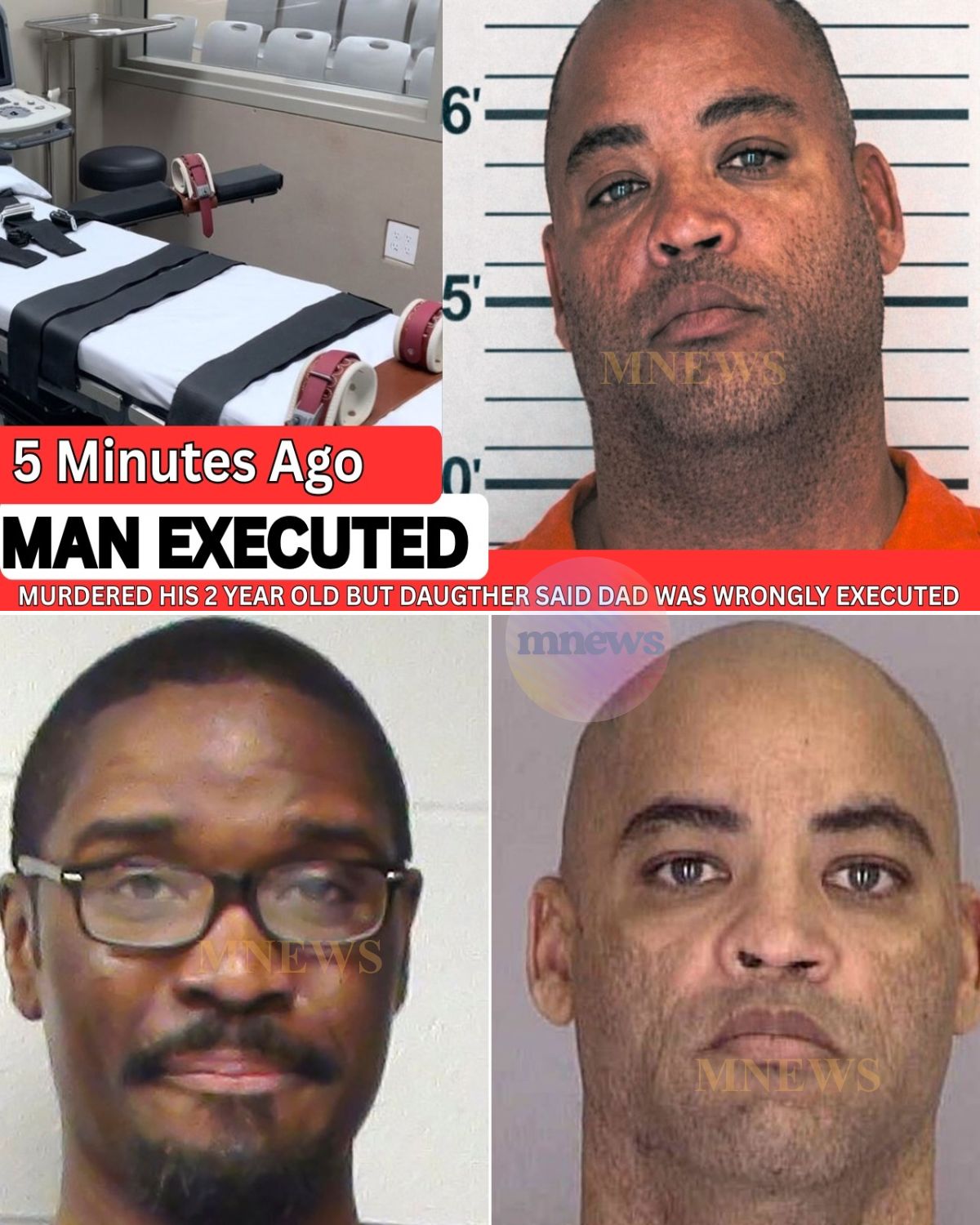
Bourgeois, a 56-year-old man from Louisiana, was pronounced dead at 8:21 PM after a lethal injection in Terre Haute, Indiana. His execution marked a grim milestone as the 10th federal execution in 2020, a year that saw a resurgence of capital punishment under the Trump administration, reminiscent of a bygone era.
The case against Bourgeois was built on shaky ground, with key evidence now called into question. Medical expert testimonies, eyewitness accounts, and forensic tests have all come under scrutiny, raising serious doubts about the conviction. Critics argue that a flawed justice system may have executed an innocent man.
Bethany Bourgeois George, Alfred’s eldest daughter, has tirelessly fought to clear her father’s name. She has uncovered troubling discrepancies in the prosecution’s case, including recantations from key witnesses and unreliable forensic evidence. Her relentless pursuit of justice has kept her father’s story alive, challenging the narrative that led to his execution.

The prosecution’s case relied heavily on testimony from jailhouse informants, who allegedly struck deals with authorities in exchange for their cooperation. This violation of constitutional principles raises significant ethical concerns, suggesting that Bourgeois may not have received a fair trial.
Moreover, the medical evidence presented at trial has been contradicted by subsequent expert analyses. The prosecution’s lead medical expert later expressed doubt about her own conclusions, a revelation that surfaced just weeks before Bourgeois was executed. This uncertainty casts a long shadow over the legitimacy of the charges against him.
Eyewitness testimony, particularly from his young daughter, has also been called into question. Initially declaring her father’s innocence, her account changed dramatically after spending a year with her mother, who was aligned with the prosecution. This shift raises critical questions about the reliability of her testimony.

As the dust settles on this tragic case, the broader implications for the justice system remain profound. The execution of Alfred Bourgeois has sparked a national conversation about the death penalty, particularly regarding racial disparities and the treatment of defendants with intellectual disabilities.
Bethany continues to advocate for her father, seeking acknowledgment of the systemic failures that led to his execution. Her journey is a poignant reminder of the human cost of a flawed justice system, one that has irrevocably altered the lives of those involved.
This case leaves us grappling with difficult questions: Was justice truly served, or did the state execute a father who was fighting to protect his daughter? As advocates for justice push for reform, the legacy of Alfred Bourgeois serves as a sobering testament to the complexities of truth and accountability in America.