Brandon Bernard, executed on December 10, 2020, faced his final moments in a federal penitentiary in Terre Haute, Indiana. After two decades on death row, he expressed remorse for the 1999 carjacking and murders of youth ministers Todd and Stacy Begley, igniting fierce debates over justice and the death penalty.
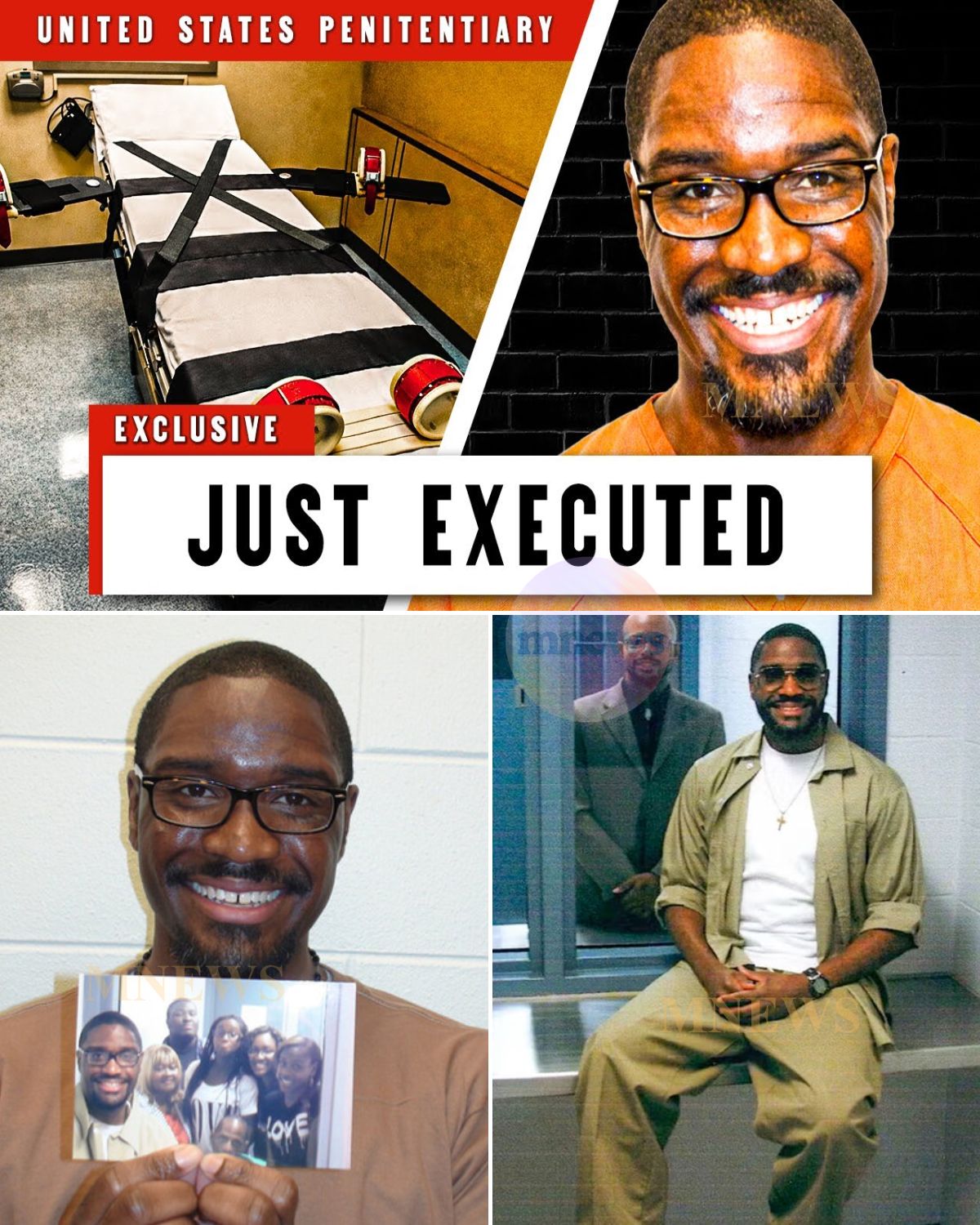
The haunting case dates back to June 21, 1999, when 18-year-old Bernard, part of the 2D2 Pyro Bloods gang, joined a crew that targeted the Begleys at a gas station. What began as a robbery quickly spiraled into a double murder, with Bernard pouring gasoline over the car and igniting it after the couple was shot.
As the flames consumed the vehicle, the chilling reality emerged: Stacy Begley may have still been alive when the fire started. The details of the crime shocked the nation, leading to a swift investigation that uncovered the gang’s involvement and the brutal nature of the killings.
In court, the prosecution painted Bernard as a cold-blooded killer, while his defense argued he was a mere follower, coerced into the horrific act by the gang leader, Christopher Valva. Despite evidence of his troubled upbringing and mental health issues, the jury found him guilty on all counts.

Bernard’s sentencing was marked by controversy. While Valva received the death penalty, Bernard was sentenced to death for his role in Stacy’s murder, a decision that sparked debates over the fairness of his trial and the influence of his childhood trauma on his actions.
For two decades, Bernard remained on death row, where he engaged in introspection and sought redemption. Despite efforts from family, jurors, and advocates for clemency, including high-profile figures like Kim Kardashian, his execution proceeded as planned.
On the day of his execution, Bernard’s last meal was a simple pizza and brownie. In his final moments, he expressed deep regret, stating, “I’m sorry,” a poignant acknowledgment of the pain caused by his actions. As the lethal injection took effect, Bernard’s story became a focal point in ongoing discussions about the morality of the death penalty and the complexities surrounding justice.
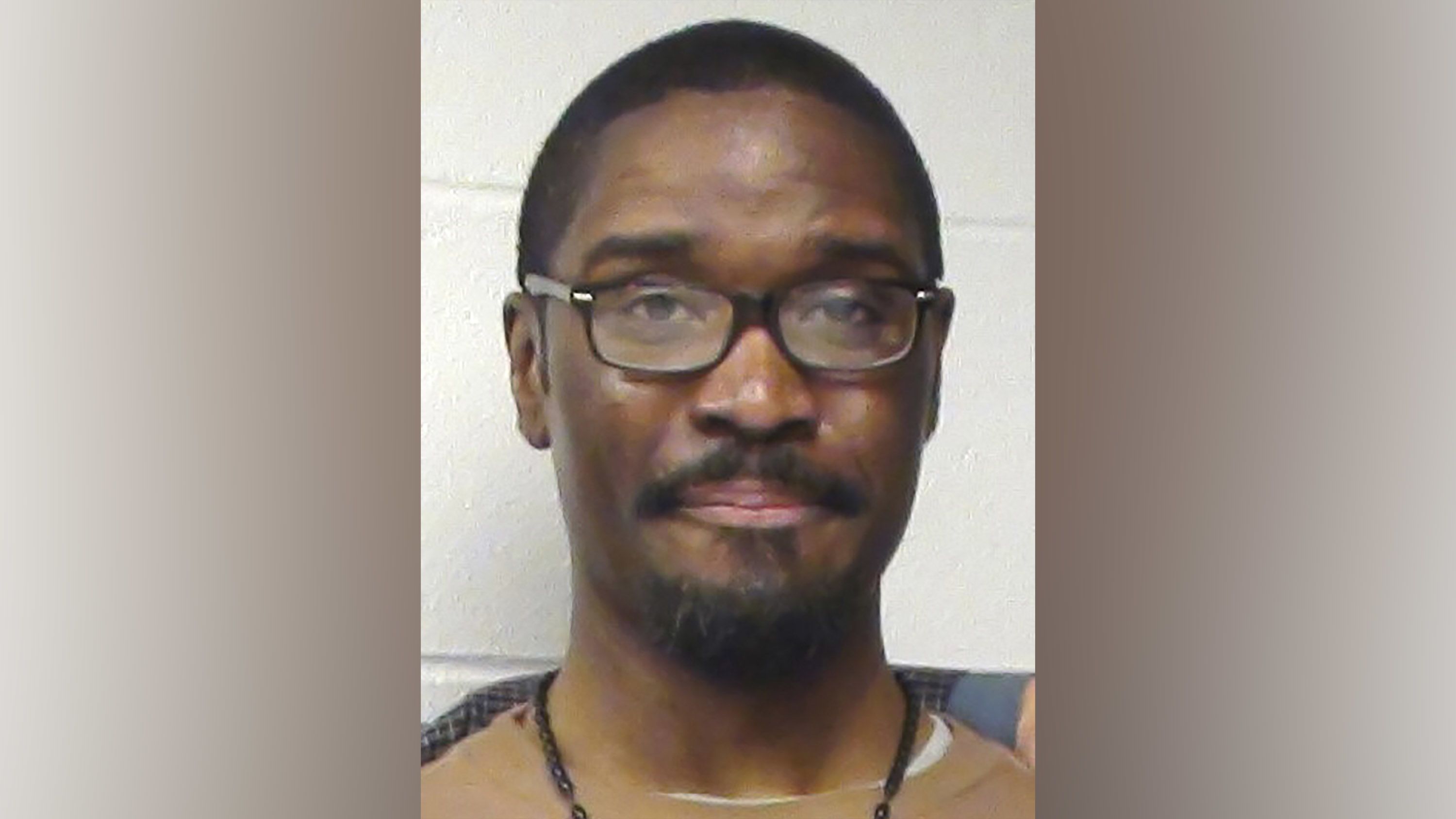
In the aftermath of his execution, documentaries and articles revisited the case, highlighting the flaws in the trial and the need for reform in the justice system. Protests erupted, with advocates calling for justice for Bernard, questioning whether the system failed to consider the entirety of his life story.
Brandon Bernard’s name now lingers in the conversations surrounding capital punishment, serving as a reminder of the intricate interplay between crime, punishment, and the human experience. His tragic fate underscores the urgent need for a reevaluation of the death penalty, sparking debates that continue to this day.