
In a bold and urgent declaration amid the escalating conflicts ravaging the Middle East, a prominent voice proclaims that the world desperately needs the second coming of Jesus Christ right now. As wars intensify, leaving civilians trapped under bombardment and societies in ruins, this call exposes humanity’s profound inability to halt cycles of violence and death. The resurrection stands as the only answer to our deepest crisis, demanding immediate attention in these perilous times.
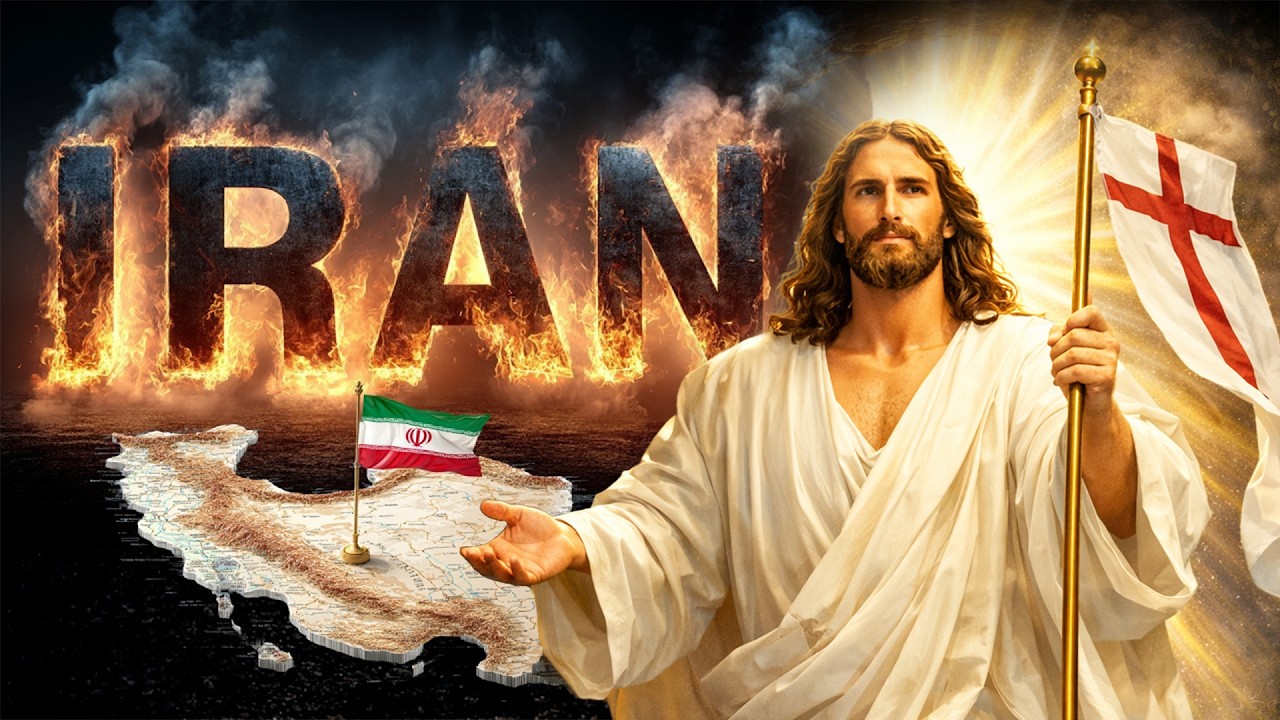 This breaking news emerges from a powerful video transcript that reframes the ongoing turmoil in the Middle East not as mere political strife, but as a spiritual emergency. Recent reports detail widespread displacement, damaged infrastructure, and mounting fear across the region, with humanitarian warnings amplifying the chaos. The speaker argues that humanity’s advances in technology and nations have failed to conquer age-old forces like hatred and fear, making the resurrection of Christ an urgent necessity.
Drawing from biblical insights, the transcript delves into how conflicts form from deep-rooted grievances, evolving from alienation to full-scale war. In the Middle East, layers of historical resentment and proxy battles have spiraled into a crisis affecting millions, with roads, hospitals, and homes destroyed. This pattern reveals a moral disorder at the heart of human society, where fear hardens into retaliation and entire generations inherit trauma.
Scripture, the transcript emphasizes, speaks directly to these modern woes. From Genesis’s tale of Cain and Abel to the prophets’ warnings, the Bible unmasks violence as a symptom of humanity’s fallen state. In today’s world, nations rise against nations, echoing Jesus’s words in Matthew about wars and tribulation. The groaning of creation, as Paul describes, mirrors the devastation in conflict zones, where civilian life crumbles under the weight of sin.
Yet, the transcript insists, the risen Jesus offers the ultimate resolution. His resurrection isn’t just a historical event; it’s a triumph over death that confronts war’s core realities. In a region where bodies fall and revenge fuels more destruction, Christ’s victory declares that suffering doesn’t have the final word. He breaks the cycle of retaliation, restoring human dignity and grounding hope beyond fleeting diplomatic efforts.

As the crisis widens, with international leaders pleading for ceasefires, the speaker urges a return to faith. The New Testament, particularly 1 Corinthians, underscores that without the resurrection, faith is in vain. Jesus, who rose from a world of imperial violence, provides the only path to true peace, challenging believers to reject dehumanization and embrace mercy amid the chaos.
This call to action resonates amid reports of escalating attacks and regional instability. The transcript warns that exhaustion from repeated conflicts has left people doubting peace’s possibility. Yet, it pivots to the promise of Christ’s return, arguing that only his lordship can heal the wounds of history and redeem a world scarred by graves and ruins.
In sections analyzing biblical responses, the speaker connects ancient texts to current events, showing how scripture diagnoses the roots of violence while pointing to redemption. The prophets’ visions of peace aren’t naive; they’re a blueprint for a world beyond human failure. As war spreads fear and economic strain, this message demands that Christians live out the resurrection’s truth today.

The urgency builds as the transcript confronts the spiritual conclusion: humanity cannot self-rescue from sin’s grip. Political strategies might delay destruction, but they can’t conquer death. In the Middle East, where families mourn and infrastructure collapses, the need for Jesus is immediate, calling for repentance and prayer as the proper response.
This breaking story highlights how religious conviction intersects with global crises, urging a reevaluation of our approaches to conflict. The speaker’s words echo through the headlines of humanitarian appeals and security alerts, reminding us that true hope lies not in human ingenuity, but in divine intervention.
As tensions mount, the transcript’s final appeal is clear: turn to Christ now. For a world teetering on the edge, the second coming isn’t a distant hope; it’s the essential answer to ongoing suffering. Churches and individuals must witness to this truth, rejecting hatred and embracing the resurrection’s power in real-time.

In vivid reports from the ground, the human cost of delay is stark. Displaced families struggle for basic needs, while broader instability threatens allies and economies. Yet, amid the despair, the transcript offers a lifeline: the risen Christ’s victory ensures that evil, though real, isn’t ultimate.
This narrative builds to a crescendo, stressing that the world requires more than negotiations; it needs spiritual renewal. Jesus, who overcame the grave, stands as the only force capable of transforming hearts and ending the cycle of violence permanently.
As global audiences grapple with these developments, the call for Christ’s return gains momentum. Religious leaders and communities are mobilizing, seeing this as a pivotal moment to proclaim hope. The transcript’s message, delivered with unyielding passion, positions the resurrection as the key to unlocking peace in our turbulent era.
In summary, this breaking news underscores a profound truth: in the face of unrelenting conflict, the second coming of Jesus Christ is not just desired—it’s desperately needed now. The transcript’s analysis of war’s roots and biblical solutions provides a roadmap for immediate action, urging all to embrace faith before it’s too late.