
In a chilling execution at Potosi Correctional Center, Missouri put 58-year-old Leonard Taylor to death for the 2004 murders of his girlfriend and her three young children, despite lingering doubts about the evidence. His final meal and last words have now surfaced, fueling fresh debate over justice and innocence in America’s death penalty system.
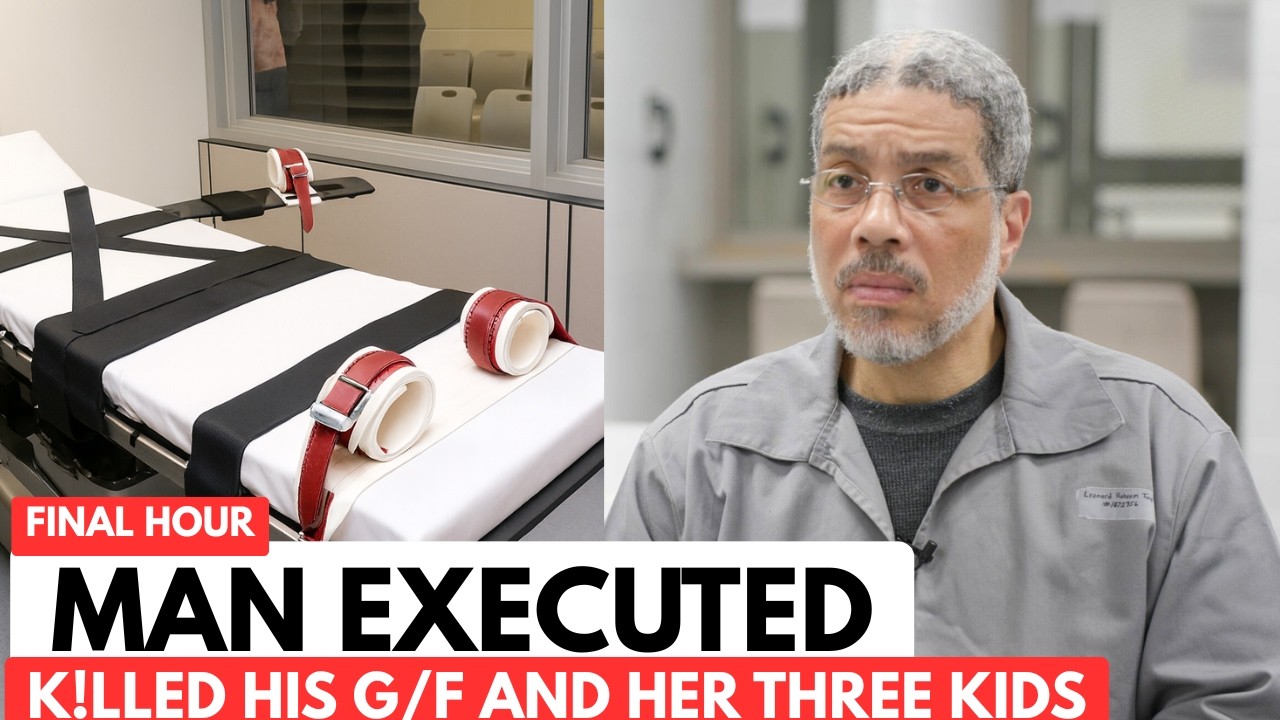 The scene unfolded on February 7, 2023, at 6:07 p.m., when lethal injection silenced Taylor inside the stark walls of the Bontra facility. Convicted in 2008 of the brutal slayings, Taylor had spent 15 years on death row, protesting his innocence until the end. Prosecutors claimed he shot Angela Row, 28, and her kids—Alexis, 10; Acraa, 6; and Tyrese, 5—in a fit of rage during a domestic dispute.
From the start, the case hinged on a disputed timeline. Taylor boarded a flight to California on November 26, 2004, to meet his daughter for the first time. Bodies weren’t discovered until December 3, raising questions: Were the victims alive after he left? Investigators insisted the murders happened earlier, pointing to Taylor’s alleged confession and blood on his glasses.
Yet, cracks emerged in the prosecution’s narrative. Taylor’s brother, whose testimony sealed the case, later recanted, claiming police coercion. Independent experts challenged the medical examiner’s revised time of death, arguing the victims likely perished after Taylor’s departure. No murder weapon was ever found, leaving key pieces of the puzzle unresolved.
As appeals flooded the courts, organizations like the Midwest Innocence Project urged Governor Mike Parson to halt the execution. They cited potential errors, including phone calls from California suggesting the family was alive post-flight. Parson rejected clemency, and the U.S. Supreme Court declined to intervene, paving the way for Taylor’s fate.
 Taylor, who embraced Islam and went by Raheem, faced his end with composure. Sources close to him described a man at peace, drawing strength from his faith. His favorite song, “Family Reunion“ by the O’Jays, echoed his longing for connection amid the isolation of death row.
Regarding his final meal, details remain sparse as Missouri’s Department of Corrections kept them under wraps. Unverified reports suggest a simple request—perhaps a nod to his roots—but official records offer no confirmation, adding to the mystery surrounding his last hours.
In the execution chamber, Taylor chose silence, opting instead for a written statement. He began with verses from the Quran, emphasizing patience and eternal life. “Muslims don’t die; we live eternally in the hearts of our family and friends,“ he wrote. “From Allah we come and to Allah we all shall return. Death is not your enemy; it is your destiny.“
Witnesses reported a quick procedure: Taylor moved his feet briefly after the injection, took deep breaths, and was pronounced dead at 6:16 p.m. The victim’s family, led by Angela Row’s sister, offered mixed reactions. “Justice is served,“ she said, before adding, “Not really,“ hinting at unresolved grief.
 This execution marks Missouri’s third in recent months, reigniting national scrutiny of capital punishment. Advocates point to statistics: Over 190 death row inmates have been exonerated since 1973, with some studies suggesting up to 4% may be innocent. Taylor’s case exemplifies the flaws in relying on circumstantial evidence.
From Taylor’s early life in St. Louis—his Army service, conversion to Islam, and reunion with his daughter—the story weaves a complex tapestry. He maintained his innocence, supported by affidavits from forensic experts who disputed the timeline. Yet, courts upheld the verdict at every turn.
The tragedy began on Harney Avenue in Jennings, Missouri, where a mother and her children were found in a scene of horror. Gunshot wounds to the head, described as execution-style, shocked the community. Police zeroed in on Taylor, painting him as a fleeing suspect with motive and means.
 Defense arguments highlighted the lack of eyewitnesses and direct evidence. Phone records from California, if verified, could have exonerated him, but they were dismissed in court. Critics argue the system failed to fully examine these claims, prioritizing procedure over truth.
As the nation grapples with this case, the victims’ names resonate: Angela Row, Alexis Connley, Acraa Connley, Tyrese Connley. Their lives, cut short, leave a void that no verdict can fill. Taylor’s execution closes one chapter, but the questions linger, urging reforms in how justice is pursued.
In the aftermath, innocence groups vow to fight on, citing Taylor as a cautionary tale. The state’s stance remains firm, with officials defending the process as thorough and just. This story, fraught with emotion and uncertainty, underscores the human cost of capital punishment in America.
Taylor’s final words, steeped in faith, offer a poignant close: “Look forward to meeting it. Peace.“ As debates rage, one thing is clear—this execution won’t be the last word on a system under fire. The pursuit of truth continues, even as the gavel falls.