
A long-simmering, digitally-fueled gang conflict on Chicago’s streets has erupted into open threats of warfare, with social media taunts over a recent high-profile killing pushing the feud toward inevitable violence.
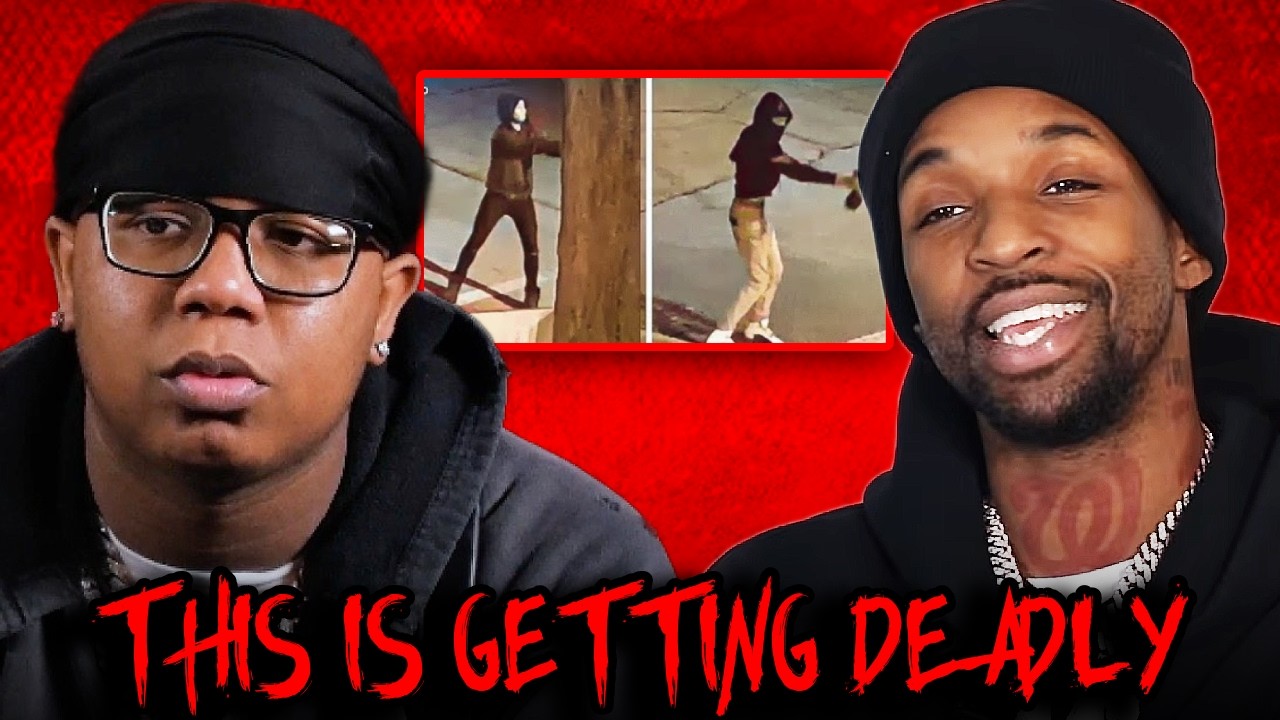 The intense rivalry between the West Side’s Toss Gang and the South Side’s Trigger Happy Family (THF) has escalated far beyond diss tracks and online sparring. The death of THF’s prominent member, Beay “Zoo” in October 2025, and subsequent public mockery of his killing, has transformed the beef into a deadly serious confrontation with both sides signaling readiness for street-level retaliation.
Toss Gang, emerging from some of Chicago’s most dangerous neighborhoods including Austin and North Lawndale, is a battle-tested crew. Their very name, derived from local slang for shooting, signals their reputation. Led by the formidable “Big Jill” and represented by rapper Vonoff1700, they are known as a “savage squad of shooters” with a history of brutal wars against neighboring sets like Sane Gang and Black Mob.
Their declaration of being “EBK” or “Everybody Killers” following past losses underscores their willingness to engage in lethal violence. This ethos now directly challenges the formidable THF alliance, a coalition of Gangster Disciples, Blood Disciples, and Mickey Cobras historically known for providing protection and muscle for figures like rapper Lil Durk.
The current flashpoint ignited when Toss Gang took offense at THF member Gbaby collaborating with their enemies, Black Mob. Online provocations quickly spiraled. A pivotal, heated Clubhouse audio chat captured the moment tensions snapped, with Toss Gang’s Vonoff1700 demanding a THF member prove a claim about avenging Zoo’s death, leading to chaotic accusations of falsehood—“merchant”—a grave insult in street discourse.
This public dismissal of a rival’s credibility over a fallen member crossed a critical line. Toss Gang then compounded the provocation, posting memes that mocked Zoo’s death with captions like “another one bites the dust,” moving far beyond typical rap disses into territory considered deeply disrespectful and incendiary.
In response, THF members have not backed down, setting the stage for a direct clash. Big Jill’s subsequent social media post, stating they are “ready to kick it off,” serves as a stark declaration of intent. Analysts note that when conflicts reach this stage of public taunting over real fatalities, the transition from online rhetoric to physical violence is almost certain.
The geographical separation—West Side versus South Side—adds a volatile dimension, potentially widening the conflict’s scope. Both groups are heavily armed, have extensive experience in street warfare, and have shown a relentless approach to avenging fallen comrades. The threat of retaliation strikes is now considered imminent by observers monitoring the situation.
 Law enforcement agencies are acutely aware of the escalating threats circulating on social media platforms. The explicit nature of the taunts and the history of both organizations suggest any incident could trigger a rapid and bloody cycle of reprisals, further destabilizing communities already burdened by violence.
This feud exemplifies how hip-hop and the internet amplify and accelerate street conflicts, providing a global audience for disputes that ultimately play out with terrifying consequences on local blocks. The digital paper trail of threats now points toward a very real and dangerous confrontation, with the potential for significant loss of life.
Community advocates express deep concern, fearing that young lives will be lost to a cycle of retaliation fueled by pride and past grievances. The explicit signals from both camps, however, indicate a grim trajectory. All parties are now braced for the outbreak of hostilities, hoping to avoid catastrophe but preparing for the worst as the city watches two of its most notorious sets move toward open war.