The prestigious Berkshire school poised to welcome Princess Charlotte for her secondary education has been identified, marking a pivotal decision for the Wales family’s next generation. As the young royal approaches her eleventh birthday, intense speculation over her academic future has centered on one leading institution close to the family’s Windsor home.
Wellington College, a co-educational powerhouse in Crowthorne, Berkshire, has emerged as the strongest contender for Charlotte’s next chapter. Its proximity to Adelaide Cottage, a mere fifteen to twenty-minute drive, presents a significant logistical advantage for a family prioritizing togetherness. This location would allow Charlotte to potentially remain a day pupil while maintaining close bonds with her parents and brothers.
The school’s educational philosophy aligns closely with values championed by her mother, Catherine, the Princess of Wales. Wellington has built a notable reputation for its emphasis on student well-being, mindfulness, and mental health support. These pillars resonate deeply with Catherine’s longstanding royal work on early childhood development and emotional resilience.

With current fees reported at approximately £15,250 per term for day students, Wellington offers a rigorous academic curriculum alongside extensive sporting and extracurricular programs. It is designed to prepare pupils for top universities and future leadership roles, a path well-trodden by the British elite. The school’s co-educational status also opens the possibility for Prince Louis to later join his sister, simplifying complex royal security and family logistics.
This decision cannot be disentangled from the imminent choice regarding Prince George’s schooling. Eton College remains the overwhelming favorite for the heir, continuing a family tradition followed by his father and uncle. However, the Waleses have also seriously considered Marlborough College, Catherine’s alma mater, for both children.
Marlborough’s co-educational environment offered a potential solution for keeping George and Charlotte together. Yet, with George’s placement at Eton seemingly advancing, Charlotte’s path may now diverge toward a different, equally esteemed establishment. Wellington College stands ready to provide a formidable alternative that balances elite education with a supportive, modern environment.
The transition marks a critical moment for Princess Charlotte, who has captivated global attention since her birth in 2015. Often compared to her late grandmother, Diana, Princess of Wales, she has already demonstrated a confident and charismatic public presence. Her influence is such that fashion items she wears frequently sell out within hours, a phenomenon dubbed “the Charlotte effect.”

Choosing her secondary school involves balancing intense tradition with a desire for normalcy, academic excellence with personal happiness. The decision carries the weight of history while shaping the teenage years of a future senior working royal. Every aspect, from security protocols to the school’s culture, is being meticulously weighed by the Prince and Princess of Wales.
Wellington College, founded as a national monument to the Duke of Wellington, boasts a history of educating the children of diplomats, executives, and leaders. Its blend of historic prestige and progressive educational values appears to strike the careful balance William and Catherine seek. The school’s commitment to developing character alongside intellect likely holds particular appeal.
As Lambrook School prepares to educate Charlotte only until age thirteen, the timeline for a formal announcement remains uncertain. These decisions are held as private family matters until official communications are made. However, the sustained focus on Wellington by informed sources indicates it is the frontrunner in a carefully managed selection process.
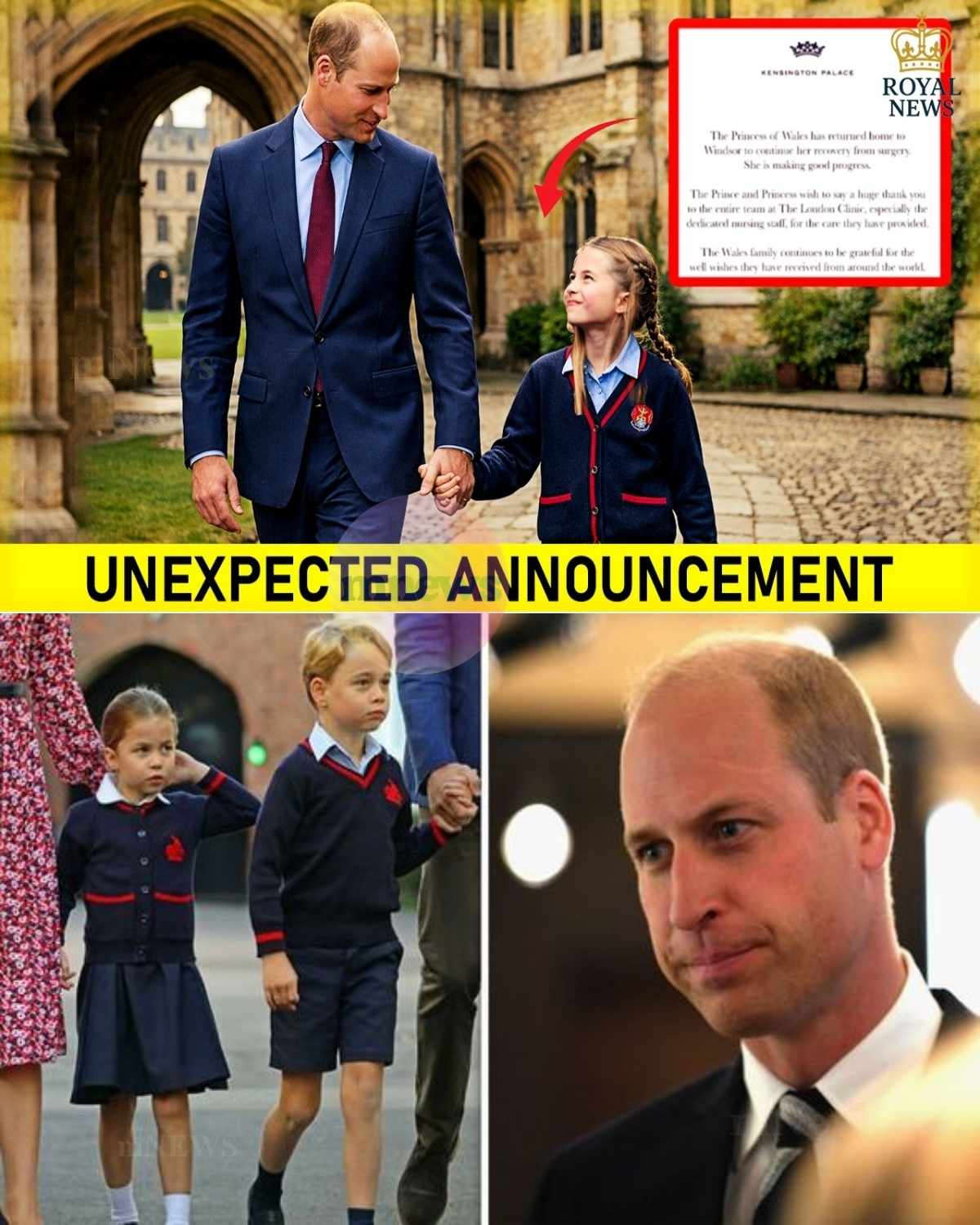
The young princess is stepping into a period of immense personal growth and increasing public duty. Her education will equip her for a life of relentless scrutiny and significant responsibility. The choice of Wellington would place her within a vibrant, mixed-gender environment less than an hour from her family, a crucial consideration for her close-knit parents.
This development underscores the meticulous planning shaping the futures of the royal heirs. Each educational choice is a strategic building block, preparing them for their unique roles within a modern monarchy. For Charlotte, this next step is about more than academics; it is about forging her identity during her formative years.
The world will watch closely as this chapter unfolds, observing how a twenty-first-century royal childhood is curated between private family life and public expectation. Princess Charlotte’s journey through education will undoubtedly influence her future role, one that many anticipate will be both dynamic and profoundly impactful on the monarchy’s future.