In a haunting culmination of a life steeped in trauma and violence, Christopher Young was executed on July 17, 2018, in Texas, just hours after pleading for clemency from the parole board. His story, marked by a tragic past, reflects the complexities of justice, redemption, and systemic bias in America.
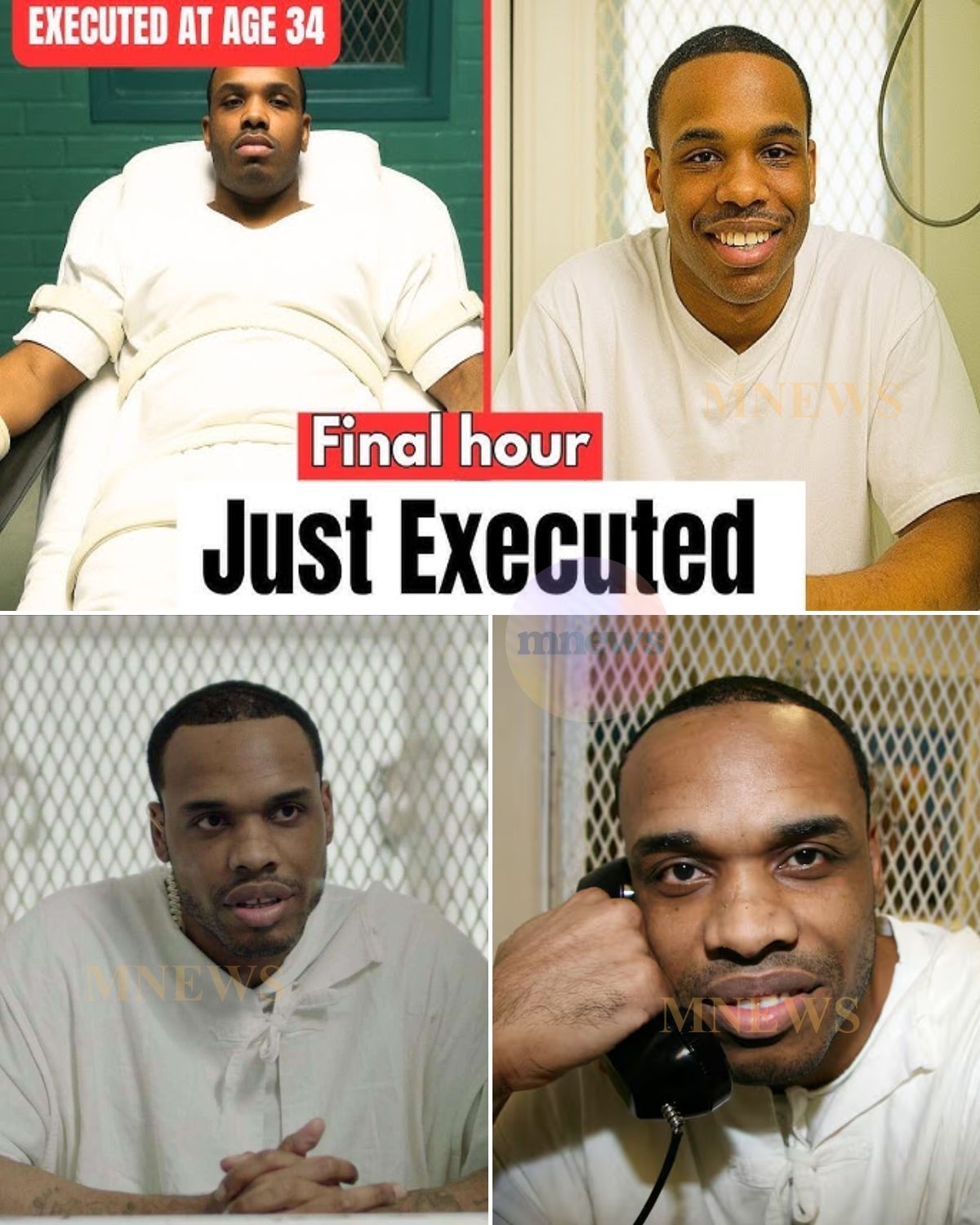
Young, a former gang member, had spent over a decade on death row, transforming from a reckless youth into a model inmate. He mentored others, rejected violence, and sought forgiveness, yet the state remained unmoved. His execution became a stark reminder of the relentless nature of the justice system, which often overlooks personal growth and change.
In a final bid for mercy, Young confronted the Texas Board of Pardons and Paroles, arguing that his life had value despite his past. He highlighted racial disparities in sentencing, pointing to a white counterpart who had committed a more heinous crime but received clemency. The board, however, remained resolute, denying his appeal.
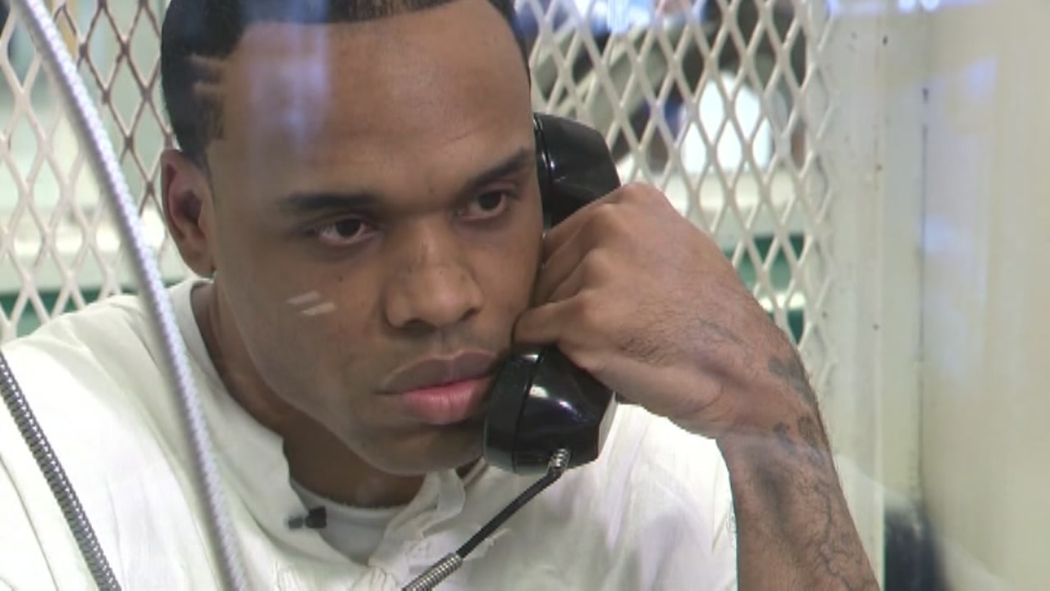
As the hours ticked down, Young met with his three daughters, imparting words of wisdom and urging them to forge their own paths away from the violence that had consumed his life. Their tearful reunion underscored the tragedy of a father lost to the system, leaving behind a legacy of pain.
On the day of his execution, Young’s final meal was a standard prison fare, a stark contrast to the life he once led. He spent his last hours writing letters, reflecting on his journey, and praying for forgiveness. The weight of his impending death loomed heavy as he prepared to face the end.

Witnesses gathered as Young was led to the death chamber, his chains clinking ominously. Strapped to a gurney, he expressed remorse for his actions, hoping that his death might serve a greater purpose. As the lethal injection was administered, he whispered, “It burns,” before succumbing to the drugs that sealed his fate.
Christopher Young’s execution raises critical questions about justice, redemption, and the societal structures that lead individuals down paths of violence. His story is a tragic testament to the fragility of potential when shaped by trauma, leaving a profound impact on those who remain. As the state of Texas carried out its sentence, the echoes of his life and the lives he touched will resonate long after his final breath.