Steven Lane Nelson was executed by lethal injection at the Huntsville Unit on February 5th, 2025, ending a 12-year death row saga marked by brutal violence. His final moments were spent with his wife, a pen pal turned spouse, as he faced justice for a harrowing 2011 church attack that shocked Texas.

The quiet church of North Point Baptist in Arlington was shattered on a calm Thursday morning, March 3rd, 2011. Steven Nelson, then 24, entered with dark intentions, transforming a place of worship into a scene of horrific brutality. Pastor Clint Dobson and secretary Judy Elliot were victims of an unthinkable violent 𝒶𝓈𝓈𝒶𝓊𝓁𝓉.
Clint Dobson was the first to be attacked, struck violently with a monitor stand, then strangled and smothered with a plastic bag. Judy Elliot suffered horrific injuries—severe bruising, brain bleeding, and multiple broken bones. Despite her trauma, she clung to life, surviving the attack that devastated their community and family.
After the horrific 𝒶𝓈𝓈𝒶𝓊𝓁𝓉, Nelson fled with stolen items—laptop, phones, credit cards, and car keys. Surveillance 𝒄𝒂𝓊𝓰𝒉𝓉 him using the stolen cards brazenly, buying trivial items as if the gravity of his crimes never dawned on him. His signature callousness only deepened the horror that gripped the community.
The investigation quickly zeroed in on Nelson. His fingerprints were found at the scene, his torn belt left behind, and drops of blood on his shoes proved damning. Police arrested him driving the victim’s car, with possessions linking him tightly to the brutal crime, sealing his fate as a prime suspect in capital murder.
Nelson’s criminal history was steeped in violence and instability. Raised in a turbulent home in Ada, Oklahoma, with neglectful parents and early brushes with the law, his trajectory was marred by repeated offenses. His troubled youth went from juvenile facilities to probation, culminating in the violent church attack while on probation.

While awaiting trial, Nelson’s violent nature did not subside. In 2012, he murdered fellow inmate Jonathan Holden in a horrific and cold-blooded act inside the Tarant County Jail. The brutality of this act showcased a relentless capacity for violence, influencing the jury’s perception profoundly during his capital murder trial.
Nelson’s trial revealed a cascade of overwhelming evidence, from bloodstains to surveillance footage and eyewitness testimony. His defense crumbled against the facts, with his inconsistent claims rejected. Convicted unanimously on October 8th, 2012, he was sentenced to death just eight days later in a verdict that sent a message about the severity of his crimes.
During sentencing, Nelson attempted a courtroom disruption by flooding the room, but ultimately, his fate was sealed. Over the next twelve years at Texas’s Polunsky Unit, he faced an unrelenting legal process filled with appeals, all ultimately denied. The day of reckoning arrived with the state ready to carry out justice.
Unlike some death row inmates, Nelson was denied a special last meal, receiving the standard prison fare on the day of his execution. His final moments were marked by words directed toward his wife, the pen pal he married three months prior, expressing love and peace before the lethal injection commenced.
In moving final statements, Nelson showed no remorse for the victims but offered tender words to his wife and dog. His voice, soft but firm, spoke of readiness and calm acceptance. The emotional weight of those moments contrasted sharply with the violent history that led to this day, beneath the watchful eyes of witnesses.
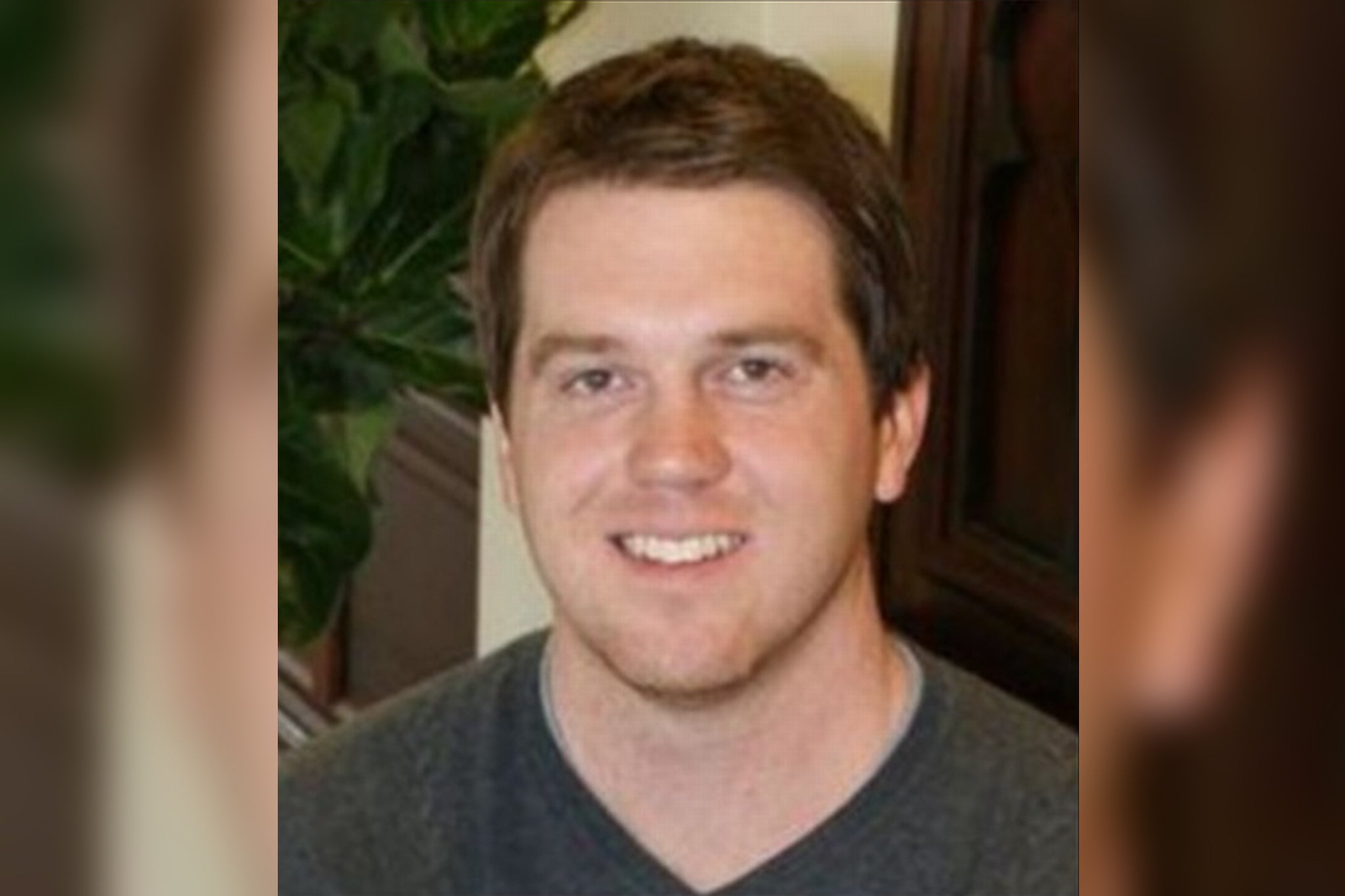
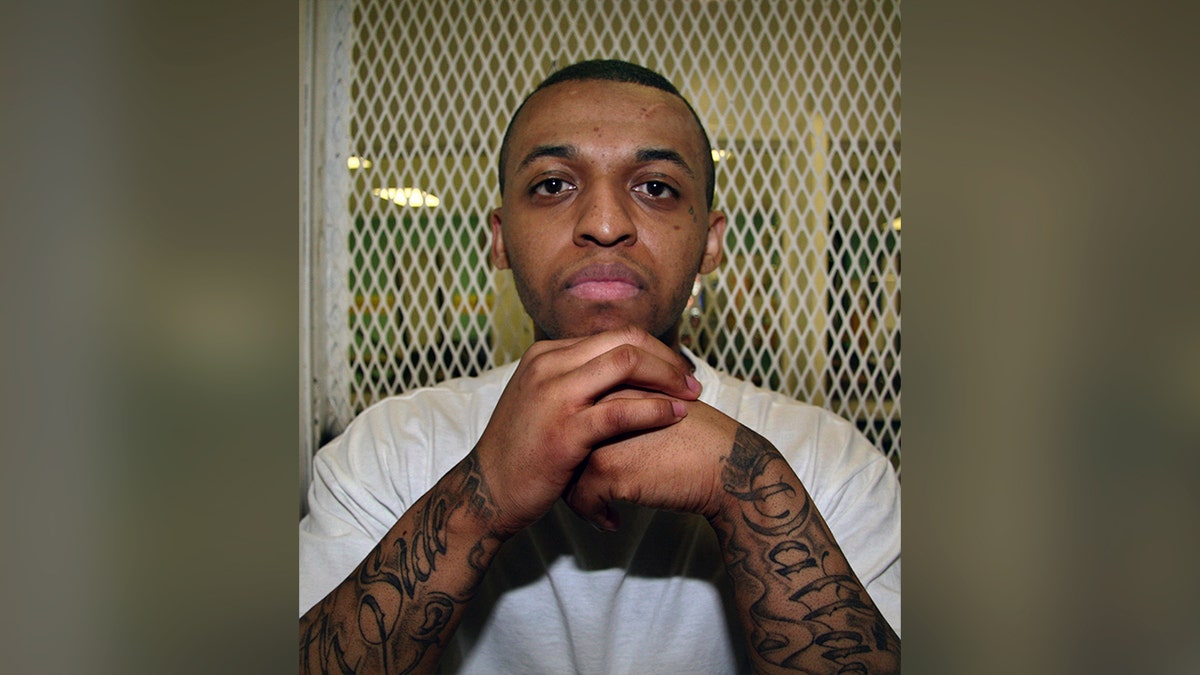
At 6:50 p.m., 24 minutes after the lethal injection began, Steven Lane Nelson was pronounced dead, his body succumbing to the state’s ultimate punishment just days before what would have been his 38th birthday. His death closes a dark chapter but reopens wounds for the victims’ families and community.
Judy Elliot, critically injured in the 2011 attack, passed away the year before Nelson’s execution. Her son attended the execution, bearing witness to the final act of a saga that had cast a long shadow over their lives. The church and community continue to mourn as justice was finally served.
This case casts a grim light on cycles of violence that begin in broken homes and end in irrevocable tragedy. Steven Nelson’s life and death underscore the devastating consequences of unaddressed trauma and ongoing crime, leaving a legacy marked by pain, loss, and the bitter cost of justice delayed.
As the Huntsville Unit carried out the sentence, the echoes of that violent morning at North Point Baptist Church still resonate. The story of loss, survival, and punishment sends a stark message about accountability and the justice system’s resolve in the face of brutal crime.
Steven Lane Nelson’s execution is one of the most harrowing reminders of the human cost behind the death penalty debates. It forces reflection on victims, perpetrators, and the fine line society treads when dispensing irreversible punishment, with emotions raw and justice final in the Lone Star State.